Category
Safety
33 OSHA and HazCom guides filed under Safety — practical and CFR-cited, so each figure can be checked at its source.

Bleach and ammonia: the danger of mixing cleaning products
Mixing bleach and ammonia can release chloramine gases. Bleach mixed with an acid can release chlorine gas. Keep bleach separate from other cleaners.

Risk matrix template for workplace hazard assessments
A 5 × 5 risk matrix with severity and likelihood scales, action rules and a worksheet that keeps the task, evidence and controls with the score.

How to choose a workplace spill kit
Choose a spill kit for the chemicals at the site and the releases employees handle, using the SDSs to select absorbents, containers and PPE.

Combustible Dust Hazards: Housekeeping, Risk Assessment, and Explosion Prevention
Assess combustible dust hazards, control accumulations and ignition sources, and distinguish OSHA requirements from NFPA 660 guidance.
Corrective Action Effectiveness Verification: Prove the Safety Fix Works
Separate completion from demonstrated hazard control, choose evidence that can detect failure, and document a defensible closure or reopening decision.
Fatigue Management for Long Shifts and Night Work: A Practical Safety Program
Manage fatigue during night work and extended shifts with scheduling controls, handovers, supervisor escalation and practical field forms.
Fleet Safety Program for Contractors: Written Policy, Inspections, and Driver Responsibilities
Classify contractor vehicles and drivers, control defects and towing hazards, and separate OSHA, FMCSA and company fleet requirements.
Forklift Battery Charging Area Requirements: Lead-Acid vs. Lithium-Ion
Assess forklift charging areas for lead-acid and lithium-ion batteries, including ventilation, acid handling, electrical controls and emergency arrangements.
Gas Detector Bump Test vs. Calibration: Differences, Frequency, and Records
Distinguish bump tests, calibration checks and full calibration, select device-specific intervals, and keep useful gas detector service records.
Hierarchy of Controls: Practical Examples for Chemicals, Silica, and Noise
Apply the hierarchy of controls to solvents, concrete cutting and noise using worked examples and the OSHA provisions governing each exposure.
How to Build an Internal Safety Audit Program: Checklist, Findings, and Corrective Actions
Build an internal safety audit around applicable criteria, field evidence, clear findings and verified corrective actions, with an editable workbook.
Leading Safety Indicators and Serious Injury/Fatality Prevention: What Employers Should Measure
Choose leading safety indicators that test critical controls, use sound denominators and support decisions about serious injury and fatality risks.
Lone Worker Safety Program: Risk Assessment, Written Policy, and Emergency Procedures
Assess lone assignments, identify work that needs additional personnel, test communications and build a usable check-in and emergency escalation policy.
Management of Change Outside PSM: A Practical Safety Procedure for Equipment, Chemicals, and Work Processes
Review chemical, equipment, ventilation and process changes before implementation and normal use. Includes binding-scope screening, separate release decisions and editable technical forms.
Nitrogen Asphyxiation: Oxygen-Deficient Atmospheres, Monitoring, and Prevention
Identify nitrogen release scenarios, oxygen deficiency and monitoring limitations, and plan isolation, ventilation, confined-space entry and rescue.
Robot and Conveyor Safety: Machine Guarding, Interlocks, and Hazardous Energy Control
Assess robot and conveyor tasks, validate guards and safety functions, and distinguish interlocks and emergency stops from hazardous energy isolation.
Stop Work Authority: How to Write a Policy Workers Can Actually Use
Write a usable stop work policy with safe shutdown roles, escalation, evidence-based restart and accurate OSHA work-refusal distinctions.
Welding Fumes and Manganese Exposure: Monitoring, Ventilation, and Respiratory Protection
Assess welding fume and manganese exposure, compare OSHA limits with NIOSH recommendations, and plan monitoring, ventilation and respiratory protection.
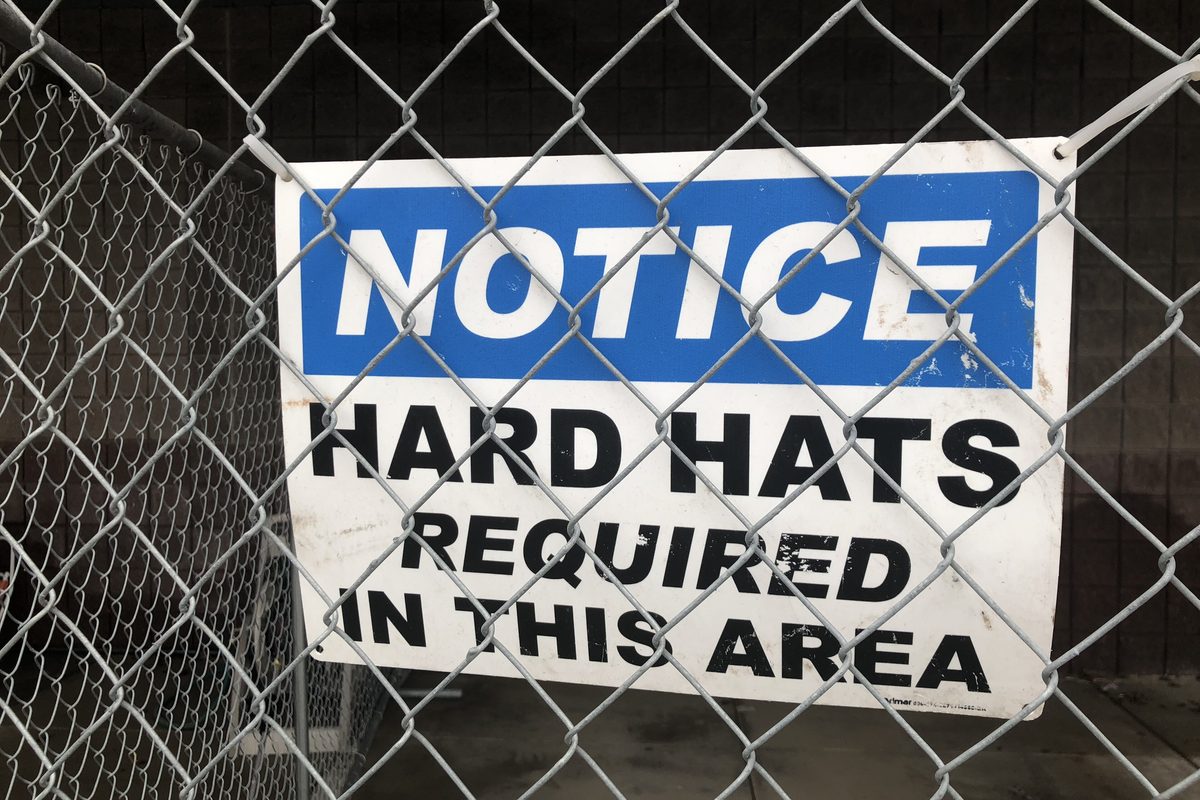
Does OSHA require an annual PPE hazard assessment?
No. Federal OSHA's 29 CFR 1910.132(d) requires a workplace hazard assessment and a written certification of it, and it sets no interval for doing either again. The only federal text about reassessing is nonmandatory Appendix B, which says “as necessary.” The yearly clocks in federal PPE rules belong to respirators under 1910.134, the fit test and retraining, and to the tests of rubber insulating equipment in construction.
How Long Should an Incident Investigation Take?
OSHA sets clocks around an incident: 8 or 24 hours to report, 7 days for the 301, 48 hours to start a PSM investigation. It sets none for finishing the investigation itself. A timetable you can defend, and what usually slows it down.
What Goes in an Incident Investigation Report
The 301 records the injury. The investigation report explains it and says what changes. What OSHA's 2015 investigation guide puts in the report, what the PSM standard makes mandatory, and the parts most reports leave out.
Can a Lockout Be Removed Without the Verifications?
A lockout removal saved with both verification boxes unchecked. A permit closed with no fire watch sign-off. Your compliance software just generated, timestamped, and preserved a signed record of the thing you didn't do, and it will export it beautifully for the inspector. The failure mode nobody audits for, and the test that finds it.
Is Exactly 10% LEL Safe? OSHA's Definition Says One Thing, Its Guidance Another
OSHA's definition says a hazardous atmosphere is flammable gas 'in excess of 10 percent' of the LEL, so 10.0% reads as acceptable. OSHA's enforcement directive, its model appendices and its shipyard rule treat it the other way. This article sets out the verbatim texts, which of them bind and which only guide, and what to write in your program.
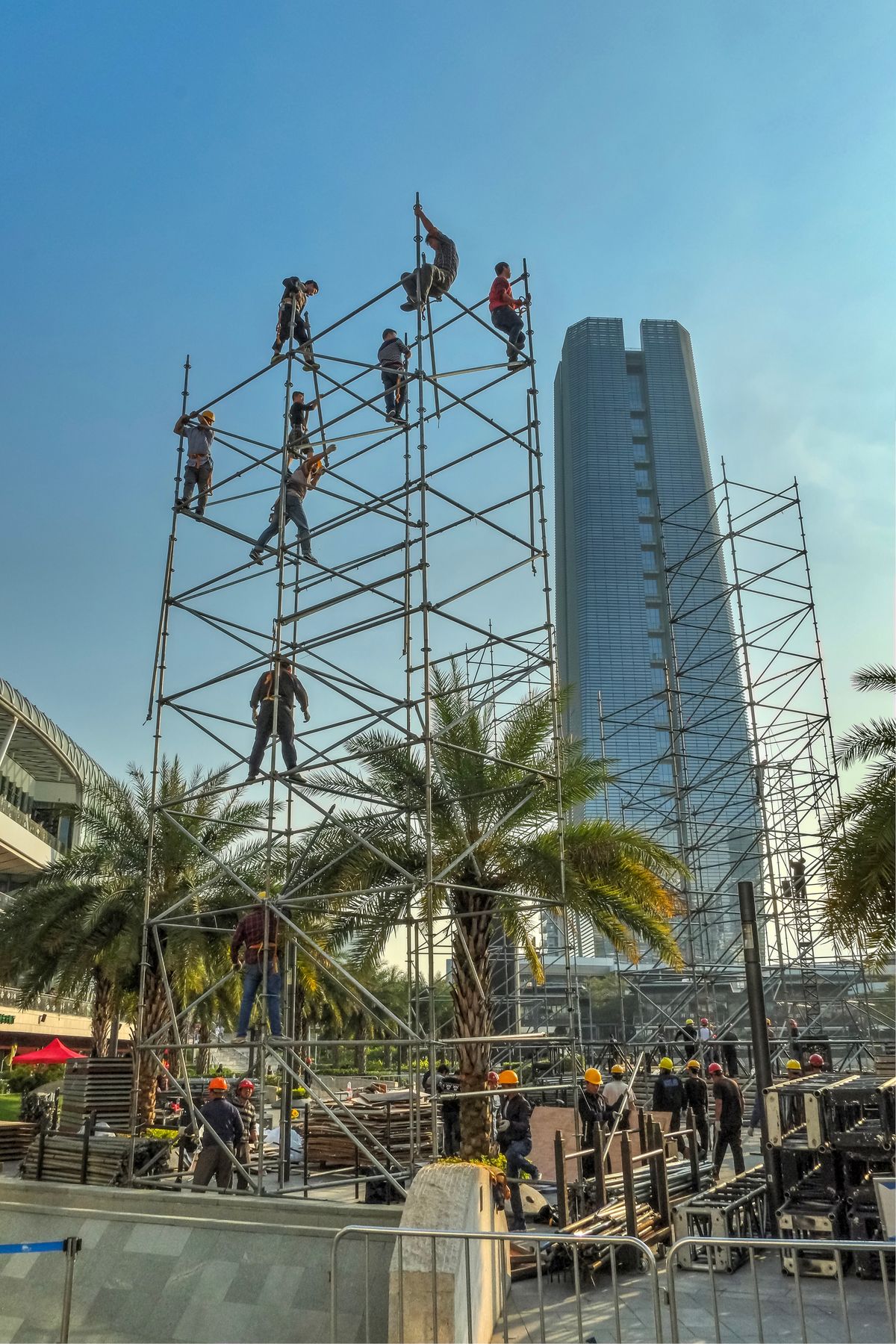
Scaffold inspection checklist: what to check before use
The scaffold inspection a competent person runs before each work shift, point by point from the footing to the power lines, with what stops use, when to inspect again and what to record.
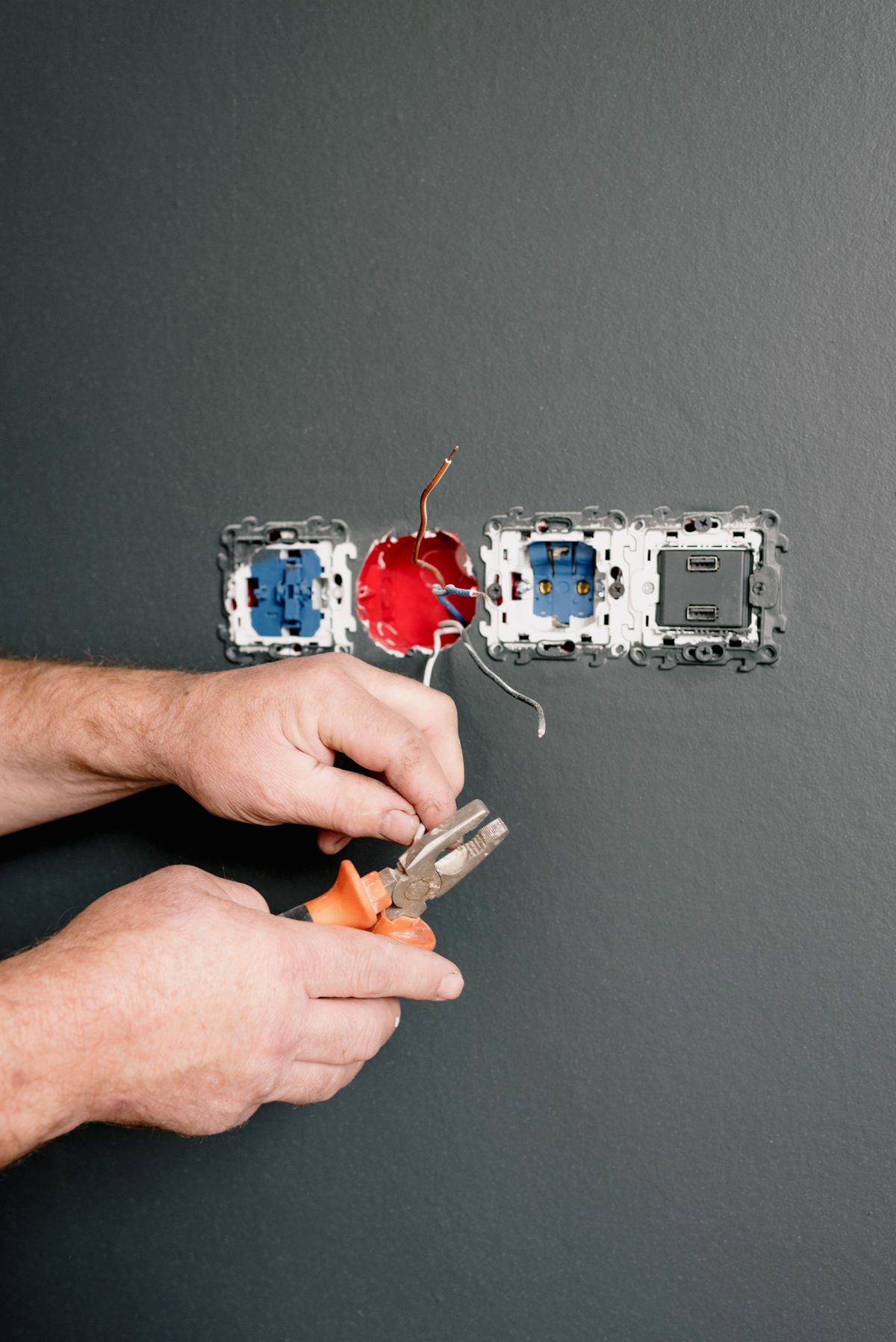
Electrical Safety in Construction: OSHA & NFPA 70E Essentials
Electrocution is one of construction's Focus Four hazards. This guide covers exactly what OSHA Subpart K requires (GFCI, power-line clearance, LOTO 1926.417), plus how NFPA 70E arc-flash protection fits in.
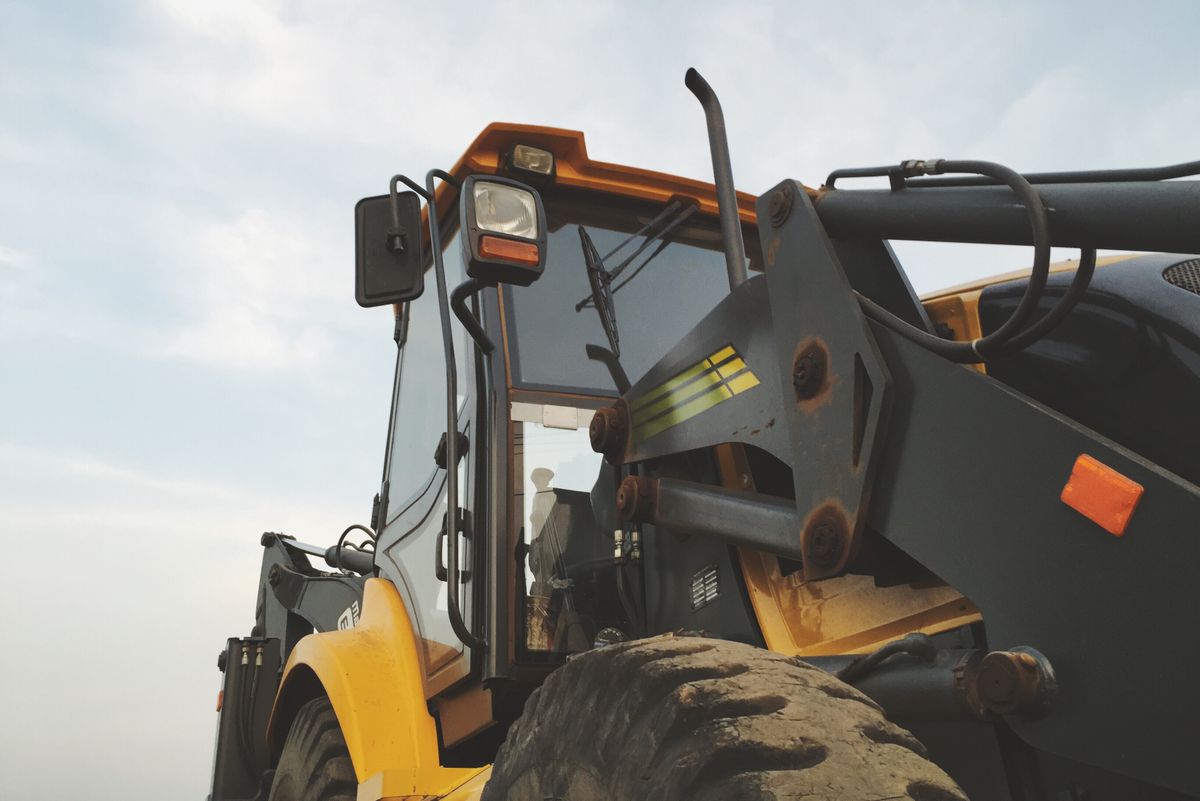
Trenching & Excavation Safety: OSHA's Life-Saving Rules for Construction
A trench wall fails in seconds and there is no outrunning it. OSHA's excavation standards, soil classification, the four protective systems, and the competent-person duties that prevent cave-ins.
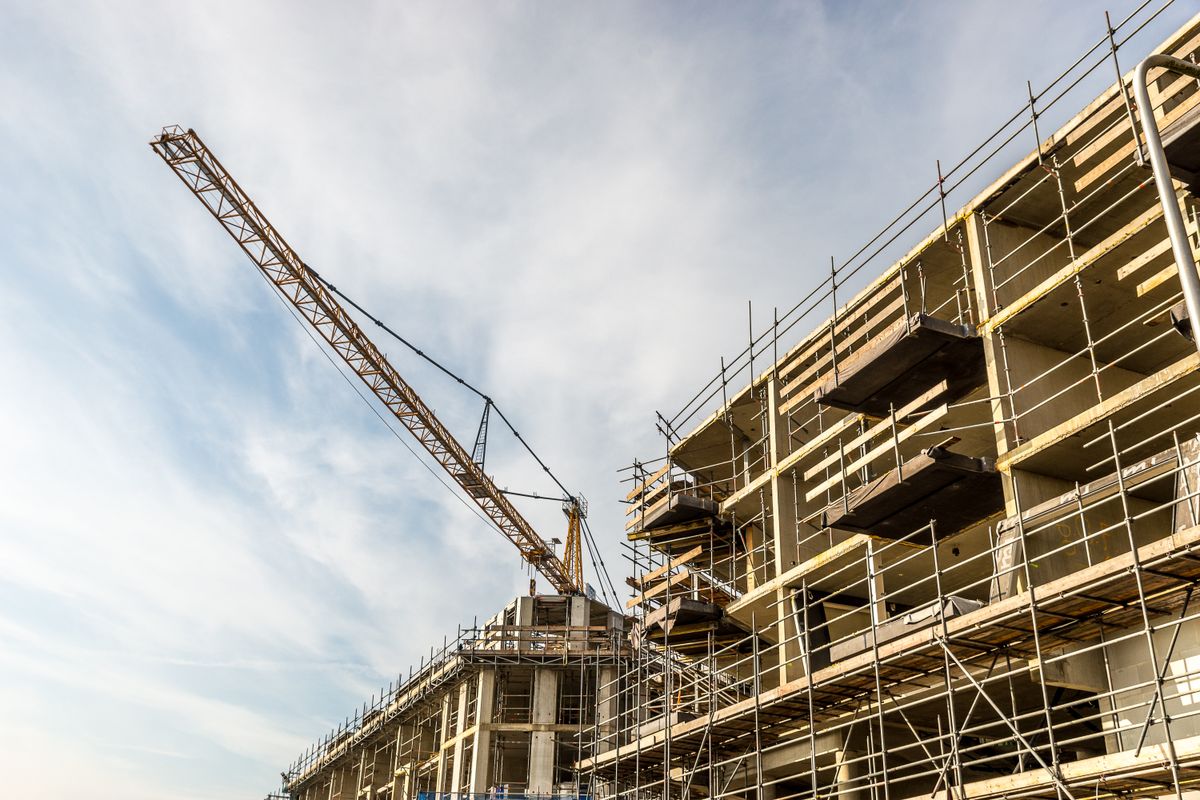
Crane & Rigging Safety: OSHA Requirements for Construction Contractors
Cranes are governed by 29 CFR 1926 Subpart CC. Master operator certification, load charts, load-weight verification, sling-angle math, signal persons, and power-line clearance, with a worked critical-lift example.
Job Hazard Analysis (JHA): Free Template & Step-by-Step Guide
A Job Hazard Analysis breaks every task into steps, identifies hazards at each step, and assigns controls. Download our free JHA template and learn a 5-step method built on OSHA's Job Hazard Analysis booklet.
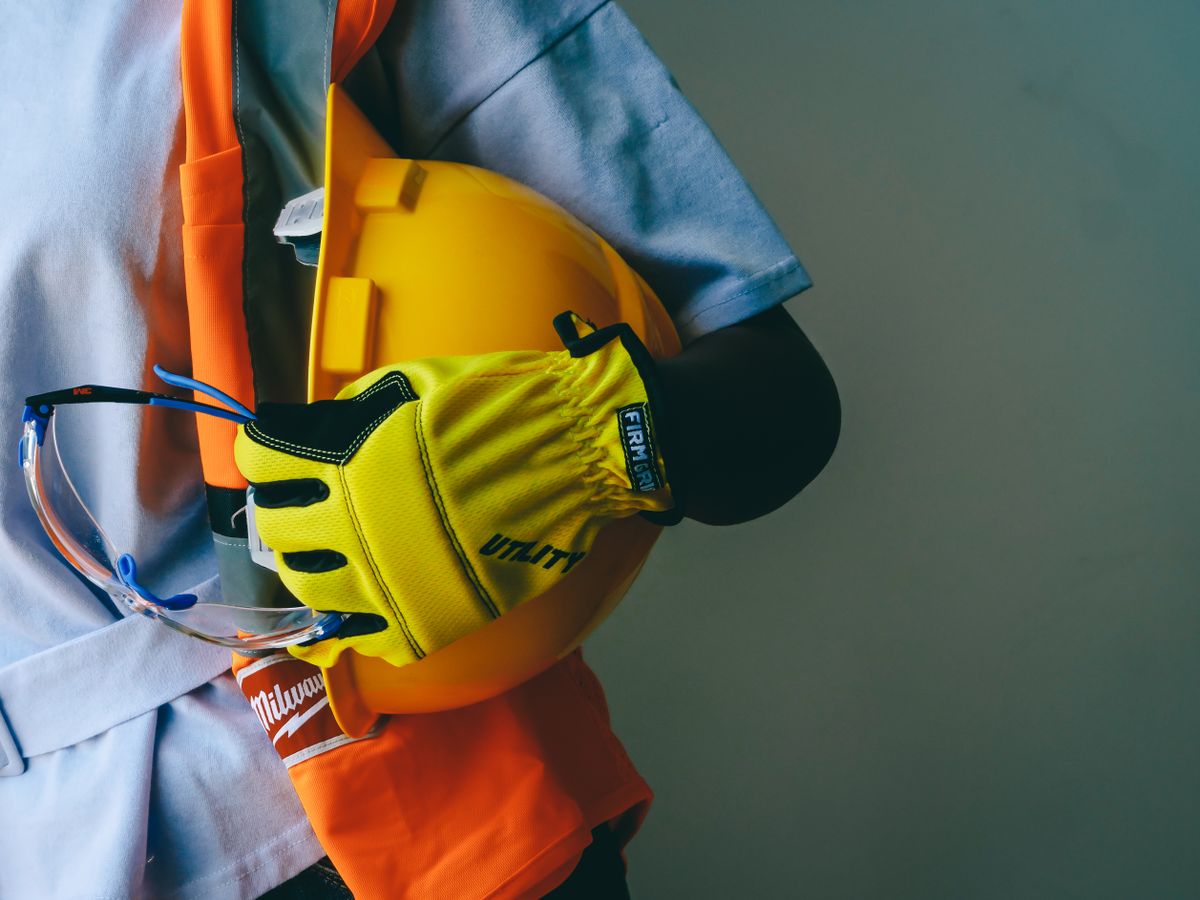
PPE for Construction: Complete Guide to Personal Protective Equipment Requirements
What OSHA requires for PPE on a construction site, category by category: head, eye and face, hands, feet, hearing, respiratory and fall protection, with the rule behind each, who pays, and the 2025 fit requirement.

Confined Space Entry: OSHA Permit-Required Guide for Construction
Complete guide to confined space entry in construction under 29 CFR 1926 Subpart AA. Covers permit-required vs non-permit spaces, atmospheric testing order, the entry permit, rescue duties, multi-employer coordination, and the citation traps that get contractors fined.
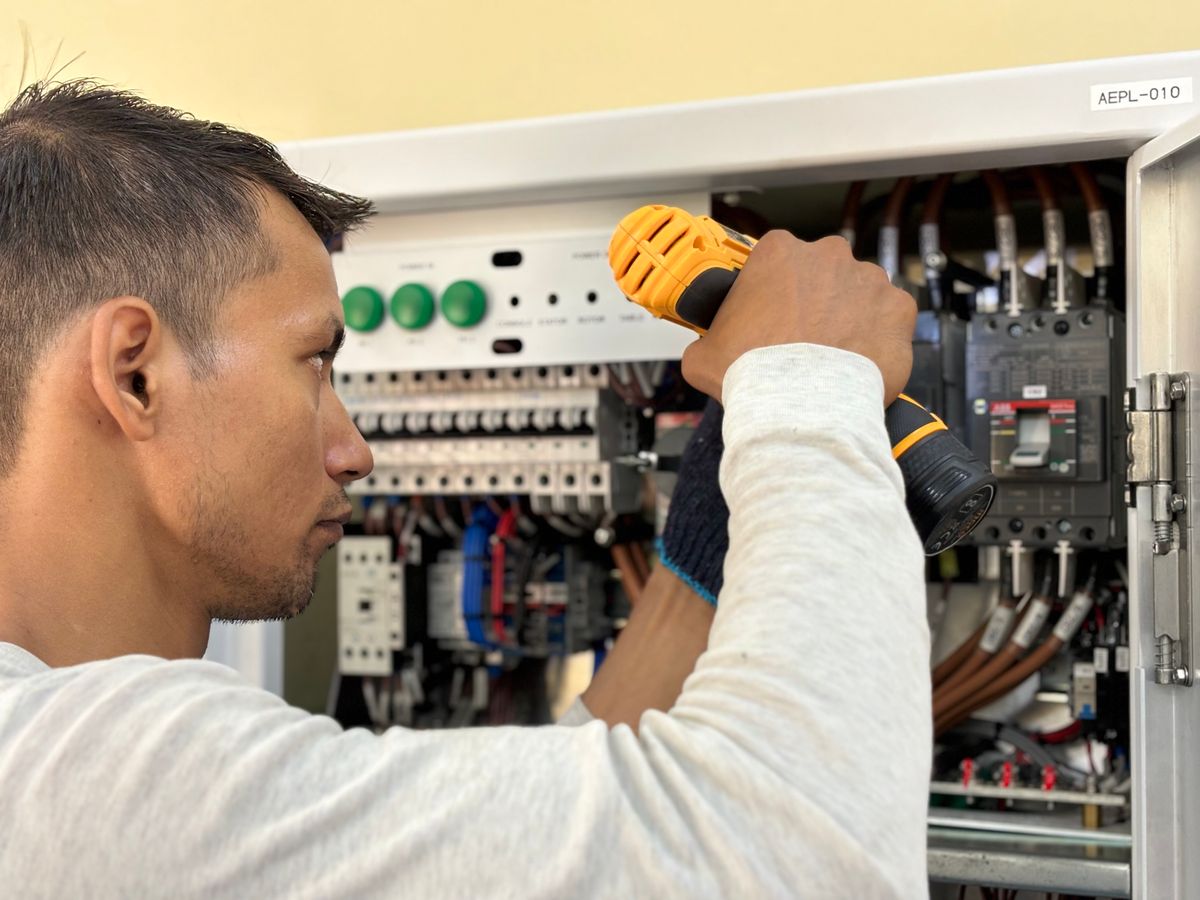
Lockout/Tagout (LOTO) Complete Guide: Energy Control for General Industry & Construction
A complete guide to lockout/tagout under 29 CFR 1910.147, and what carries over to construction, where 1926.417 applies instead. Covers 6 energy types, group LOTO, periodic inspections, and the citation traps. Includes a free LOTO Procedure Generator.
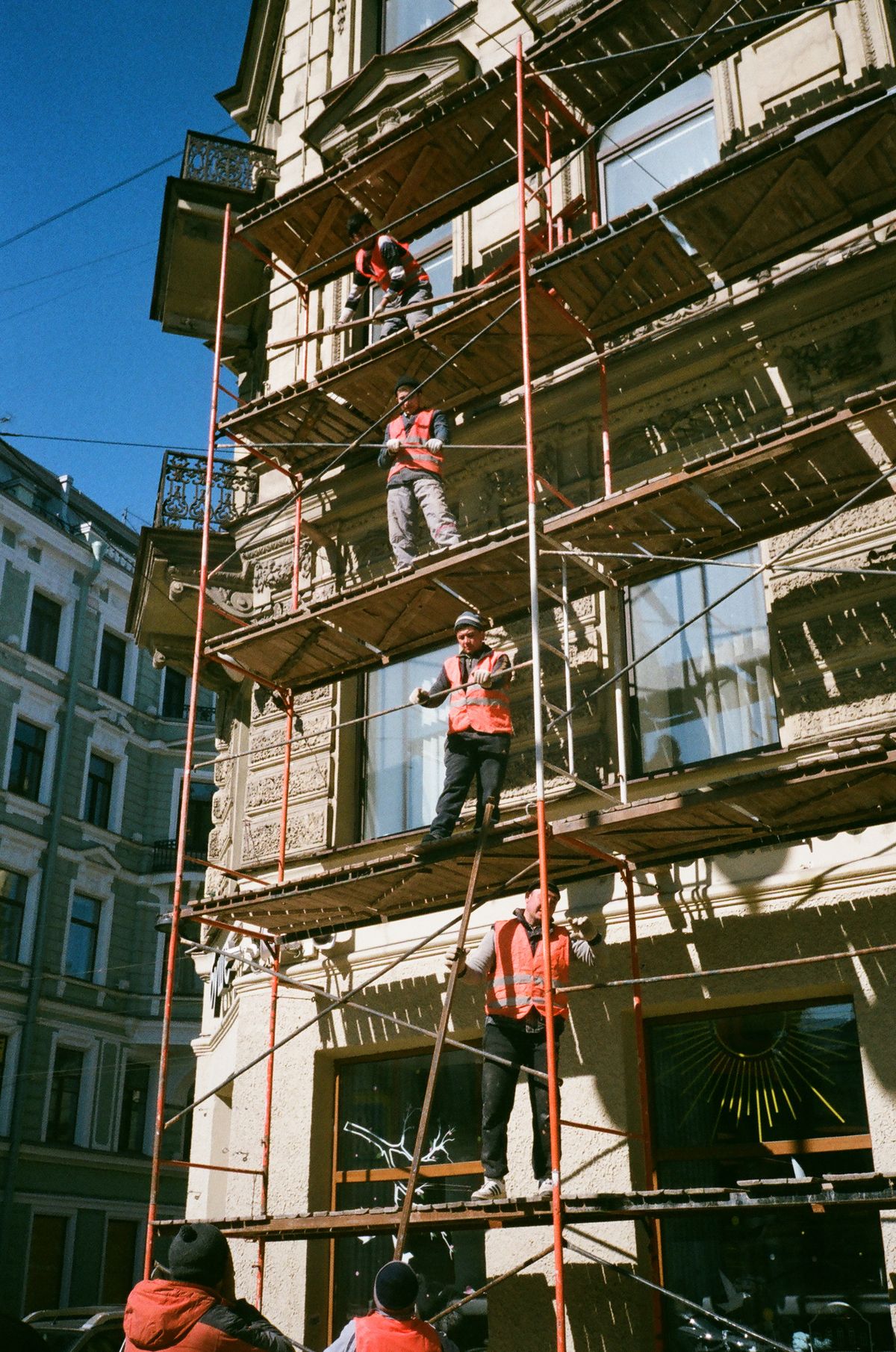
Fall Protection in Construction: OSHA's #1 Cited Standard for 2026
Falls are the leading cause of death in construction, and 1926.501 tops OSHA's FY2025 list of most-cited standards. This guide covers the 6-foot trigger, the three systems, fall-clearance math, competent-person duties, and the citation traps that get contractors fined.

A Safety App That Works When the Jobsite Has No Signal
How a Progressive Web App puts the documents a crew needs at the point of work, on the phone they already carry, with no app store and no device management.