




Skip to content

Approaching: Nov 20, 2026 — HCS 2024 Deadline. Get ready →

OSHA, EHS and HazCom software for construction and industry

HazComFast is one platform for your OSHA, EHS and HazCom program: safety data sheets and GHS labels, written programs, OSHA 300 logs, permits, inspections, training and incident investigations, on the office computer and on your workers' phones.

New sign-ups are paused. The free tools below need no account, and customers can log in as usual.

  • Workers, foremen and subs are free on every plan.
  • English and Spanish across the product.
  • Set to 29 CFR 1910, 1926 or both.
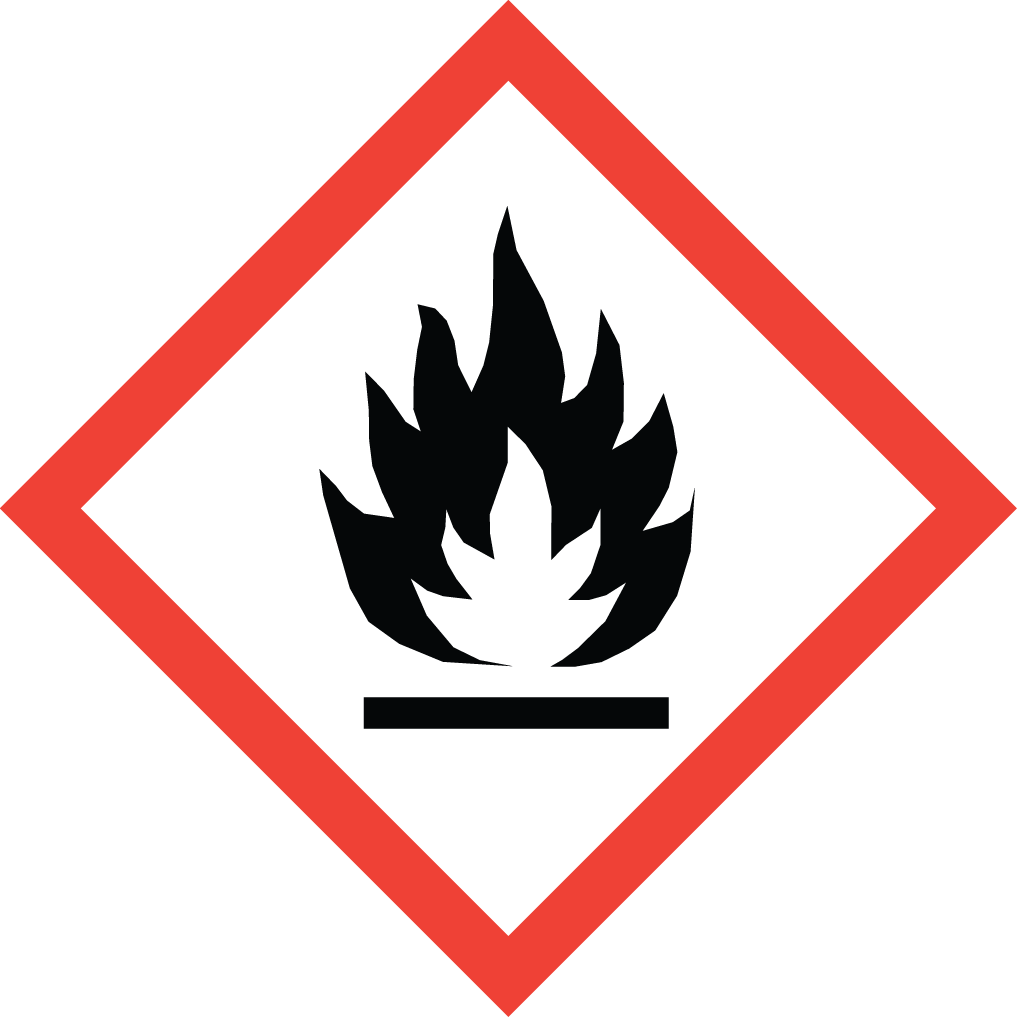
GHS02, Flame
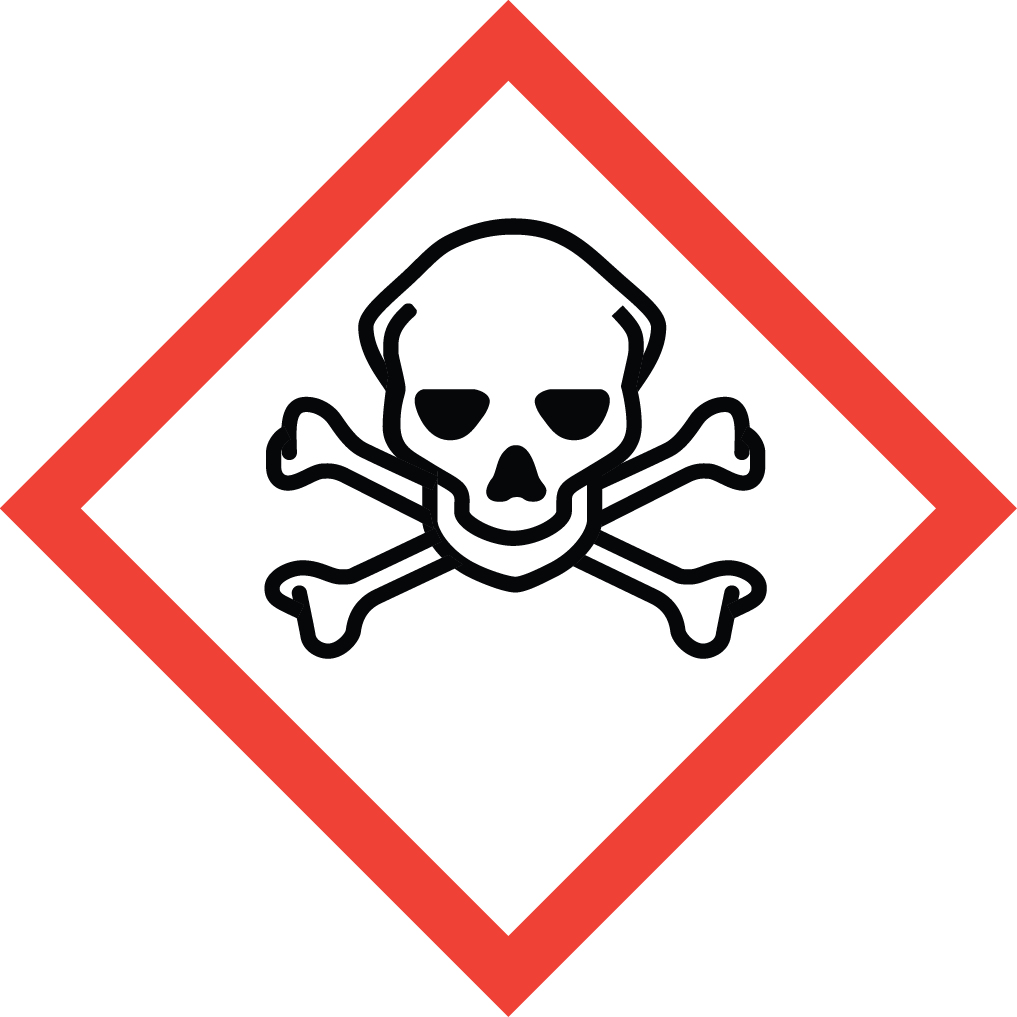
GHS06, Skull and crossbones
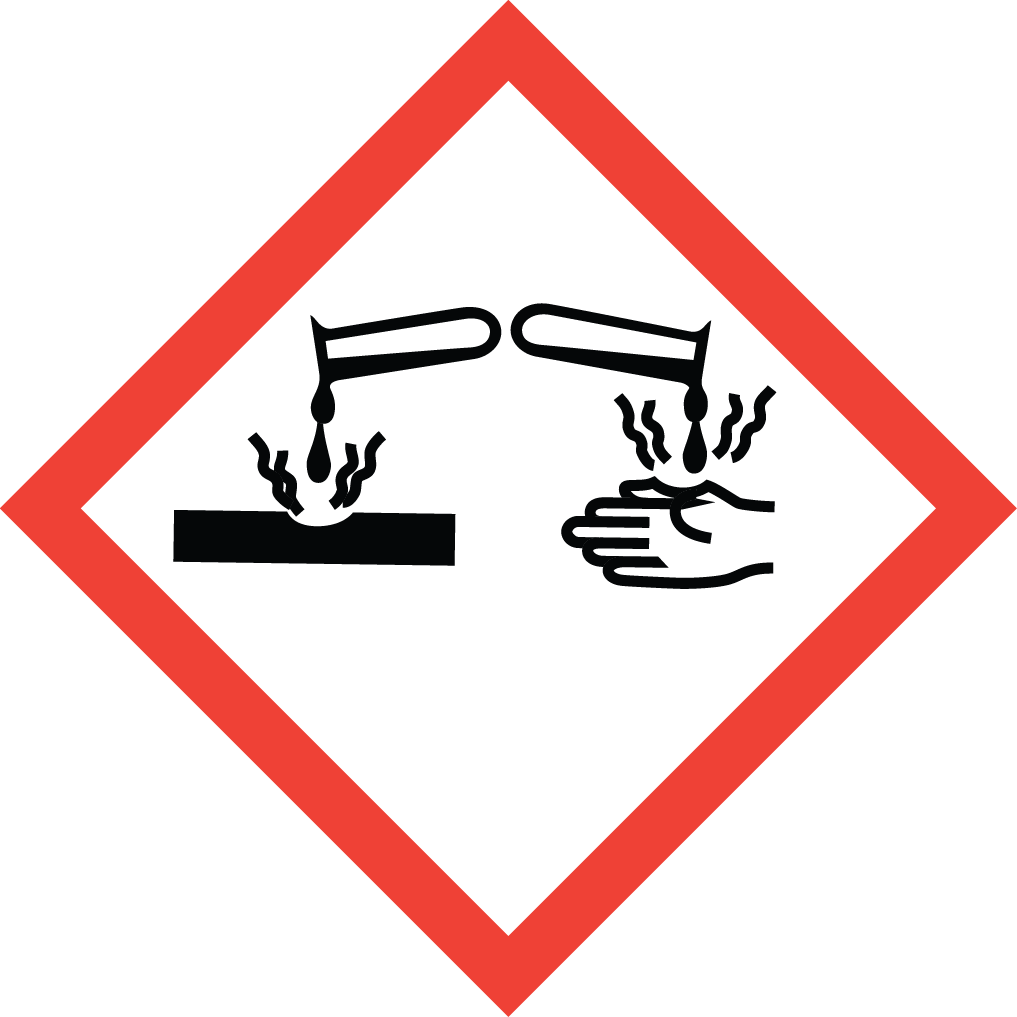
GHS05, Corrosion
GHS08, Health hazard
GHS07, Exclamation mark
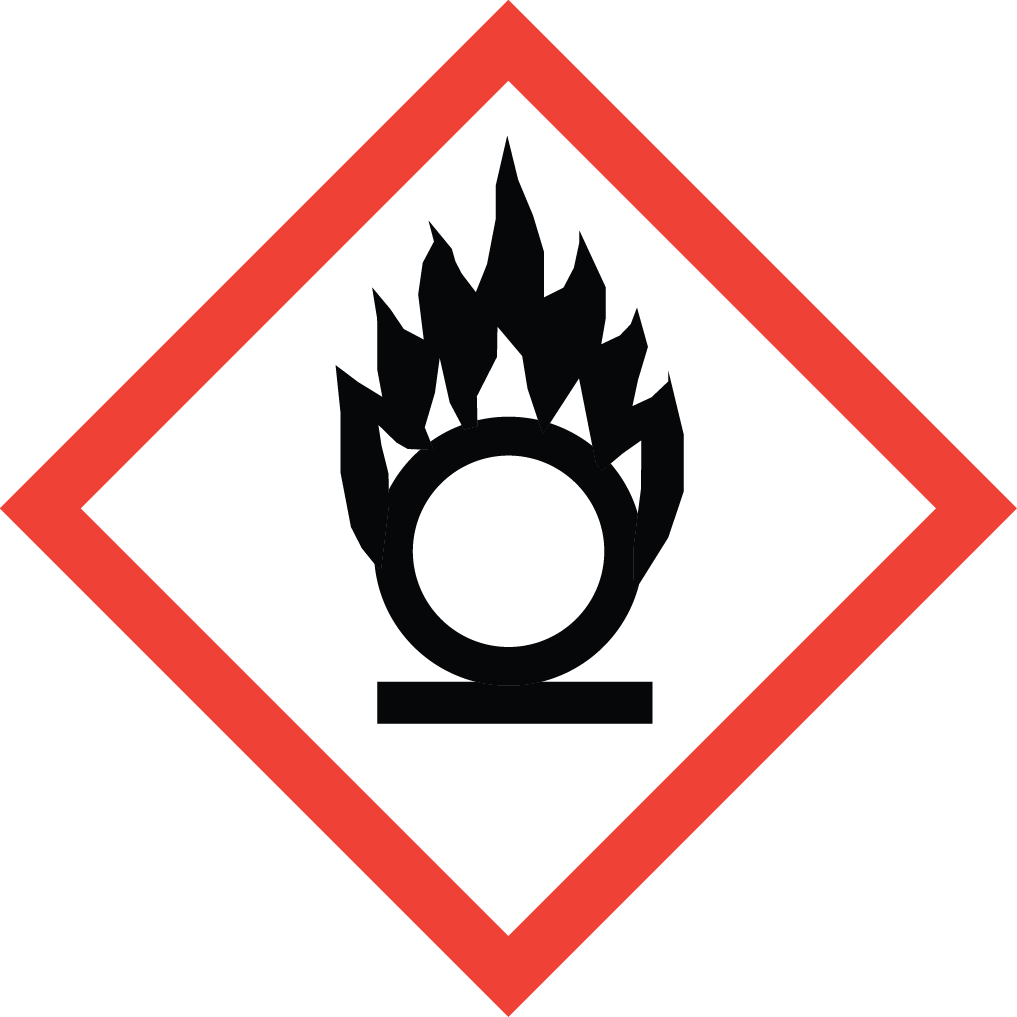
GHS03, Flame over circle
GHS04, Gas cylinder
GHS01, Exploding bomb
GHS09, Environment
The nine GHS pictograms of 29 CFR 1910.1200, Appendix C. HazComFast prints them on your workplace labels.

Built around the standards OSHA enforces

Each module follows the paragraph an inspector reads from, for general industry and for construction. One account covers HazCom, recordkeeping, written plans, permits and the EHS programs around them.

  • Written HazCom program29 CFR 1910.1200(e)
  • Workplace labels29 CFR 1910.1200(f)(6)
  • Safety data sheets29 CFR 1910.1200(g)
  • Injury and illness records29 CFR 1904
  • Emergency action plan29 CFR 1910.38 and 1926.35
  • Fire prevention plan29 CFR 1910.39 and 1926.24
  • Fall protection plan29 CFR 1926.502(k)
  • PPE hazard assessment29 CFR 1910.132(d)
  • Respirator fit testing29 CFR 1910.134(f)
  • Lockout/tagout29 CFR 1910.147
  • Forklift operator evaluations29 CFR 1910.178(l)
  • Respirable crystalline silica29 CFR 1926.1153
  • Confined space permits29 CFR 1910.146 and 1926 Subpart AA
  • Excavation permits29 CFR 1926.651 and 1926.652
  • Hot work permits29 CFR 1910.252 and 1926.352
  • Exposure records, 30 years29 CFR 1910.1020

What OSHA asks for, and where it lives in HazComFast

The five paragraphs an inspector opens a HazCom file with, each answered by a screen of the app. Checked against the eCFR on 2026-10-05.

Hazard communication file

29 CFR 1910.1200 and 1926.59

29 CFR 1910.1200(e)(1)
A written hazard communication program at each workplace
Written HazCom program, versioned
29 CFR 1910.1200(f)(6)
Each container of hazardous chemicals in the workplace labeled, tagged or marked
GHS workplace labels (Avery and Zebra stock), QR codes and public container scan
29 CFR 1910.1200(g)(8)
Safety data sheets readily accessible during each work shift
SDS lookup: hazards, first aid, PPE, Mobile app (PWA) built for gloves and sunlight
29 CFR 1910.1200(h)(1)
Effective information and training on the chemicals in the work area
Training center and assignments, Read proof on hazardous products
29 CFR 1904.29 and 1904.32
The OSHA 300 log, the 301 report and the certified 300A summary
OSHA 300, 301 and 300A logs, 300A certification and posting window

On a construction site, 29 CFR 1926.59 applies the same hazard communication rule.

One platform for the whole safety program

HazCom and chemicals, OSHA records, written plans, permits and inspections, training, subcontractors and reporting run in the same account, on the office computer and on the phone in the field.

HazCom and chemicals

  • Safety data sheets

    AI reads your SDS PDFs and fills in hazards, first aid and PPE. Revision dates are watched for you.

  • Chemical inventory

    Every product by site, with GHS classification, CAS search, quantities and bulk import.

  • GHS workplace labels

    Printed on Avery and Zebra stock, ready for the secondary container.

  • QR codes on containers

    A scan opens that product's SDS and first aid, with no account and no login.

  • Storage compatibility

    Incompatible products are blocked before they are assigned to the same site.

  • Fire code totals

    Flammable quantities added up per site, against the fire code.

  • Written HazCom program

    Versioned, with the multi-employer section of 1910.1200(e)(2) for shared sites.

  • EPCRA Tier II

    Threshold alerts as quantities build up, then the Tier II report itself.

OSHA records and defense

  • OSHA 300, 301 and 300A

    The log, the incident reports and the annual summary, generated as PDFs.

  • 300A certification

    Certified under 1904.32 and posted from February 1 to April 30.

  • Privacy cases

    Names withheld on the log for the cases 1904.29(b)(7) lists.

  • Inspection Ready mode

    One screen for the documents an inspector asks for, with a report you can export.

  • Audit trail and legal hold

    Who did what and when, retention policies, and holds that freeze records.

  • Citation defense package

    The records behind an unpreventable employee misconduct defense, in one file.

  • Exposure records

    Kept 30 years under 1910.1020, and every record exportable at any time.

  • Guest links

    Guests see SDS through a link, on every plan.

Written plans and procedures

  • Emergency action plan

    For general industry and for the jobsite, versioned and bilingual.

  • Fire prevention plan

    Versioned and bilingual, with worker access built in.

  • Fall protection plan

    The site-specific plan 1926.502(k) calls for.

  • Silica exposure control plan

    Table 1 tasks of 1926.1153 and the written plan that goes with them.

  • Lockout/tagout

    Energy-control procedures, a registry of lockout points and application records.

  • Worker access

    Every worker can read the written programs and their own records.

  • Annual review

    Completing a review saves a new version and sets the next one a year out.

  • PDF with a report ID

    Each plan exports as a PDF stamped with a report ID and the time it was made.

Field operations

  • Permits

    Hot work with fire watch, confined space with atmosphere testing, excavation, each with auto-expiry.

  • Job hazard analysis

    Steps, hazards and controls for the task, before the work starts.

  • Inspections

    Scaffold and equipment inspections, inspection tags and PDF reports.

  • Equipment

    Maintenance schedules, history, out-of-service and decommissioning.

  • Near misses

    Reported from the phone with photos and location, then reviewed on a dashboard.

  • Investigations

    Root cause with 5 Whys, Fishbone and Swiss cheese.

  • Corrective actions

    Assigned, followed and closed, linked to the report that raised them.

  • Custom forms

    Build your own forms, assign them to the crew and collect the answers.

People and training

  • Training center

    Assignments, quizzes, certificates and expiration alerts.

  • Toolbox talks

    Signed on screen, with attendance, in English and Spanish.

  • SDS read proof

    Who read which sheet, when, in which language.

  • Competent persons

    A register of the competent persons you designate.

  • PPE hazard assessment

    The written certification 1910.132(d)(2) requires.

  • Respirator fit tests

    Fit test records for respirator wearers.

  • Forklift evaluations

    Operator evaluations for powered industrial trucks.

  • Subcontractors

    Invite a sub, collect their documents, review them. The sub never pays.

Sites, mobile app and reporting

  • Jobsites

    Many sites on a map, site templates, and products and people assigned in bulk.

  • Mobile app

    Built for gloves and sunlight, with Scan, Inventory and Emergency under the thumb.

  • Emergency mode

    First aid, spill response and poison control for each product.

  • Crew sign-in

    Your crew signs in with a QR badge. No email, no password.

  • In-app alerts

    Expirations and deadlines raised inside the app, with escalation.

  • Dashboards

    A compliance dashboard, trends, and TRIR and DART analytics.

  • Reports and exports

    PDF, CSV and Excel exports of what you keep.

  • English and Spanish

    Down to the offline screens, and set to your state plan and to 29 CFR 1910, 1926 or both.

$0 to $799a month, priced by site and chemicals. Workers, foremen and subs are free.

Which plan opens which module

Built for jobsites where the signal drops.

The mobile app is built for gloves and sunlight. Here is what it keeps doing when the network drops.

  • Your jobsite's SDS load onto the phone on their own. The app shows how many are ready (17 of 20, 20 of 20) before you head underground.
  • First-aid steps for every product on the jobsite stay on the phone, even in airplane mode.
  • No signal? Log it anyway. Near-misses, inspections and permits save on the phone and send themselves the moment you're back online.
  • Nothing gets entered twice. A form saved offline arrives once, with the date and time it was filled in.
  • Your crew signs in with a QR badge. No email, no password.
  • English and Spanish, down to the offline screens.

17/20

SDS ready on the phone before you head underground

Airplane modeNo signal

On every plan, Free included

  • SDS lookup during every shift, on every plan
  • Emergency mode: first aid, spill response, poison control
  • QR codes and public container scan
  • English and Spanish across the product

For construction and general industry

Each company, and each site, is set to 29 CFR 1910, 1926 or both. Pick your trade or your industry for the chemicals, the standards and the inspections that come with it.

Construction

29 CFR 1926

General contractors coordinating crews, subs and many sites, and specialty subcontractors running a few jobs at a time.

General industry

29 CFR 1910

Plants, warehouses, labs, shops and cleaning crews that store and use hazardous chemicals every day.

How HazComFast works

From the first safety data sheet to the day an inspector asks for the file.

  1. 1

    Add your products

    Upload the manufacturer's SDS as a PDF. HazComFast reads it and fills in the hazards, first aid and PPE. You file the product under the site where it's used.

  2. 2

    Label every container

    Print GHS workplace labels on Avery or Zebra stock, and put a QR code on each container that opens its SDS.

  3. 3

    Train the people who use them

    Assign training, run toolbox talks with signatures, and see who read which sheet, when, in which language.

  4. 4

    Keep the file ready

    Keep the written HazCom program and the OSHA 300, 301 and 300A logs current, and export every record at any time, even after you cancel.

Priced by site, not by worker

You pay for active sites, chemicals and office seats. Workers, foremen and subs are free on every plan.

  • Free

    $0 / month

    1 active site, 50 chemicals

    One jobsite, one binder. No card, no expiry date.

  • Starter

    $69 / month

    3 active sites, 300 chemicals

    Specialty subcontractor running a few jobs at a time.

  • Most popular

    Pro

    $199 / month

    10 active sites, unlimited chemicals

    Contractor pulling permits, locking out energy, running inspections.

  • Fleet

    $399 / month

    30 active sites, unlimited chemicals

    General contractor coordinating crews, subs and many sites.

  • Enterprise

    $799 / month

    Unlimited sites, unlimited chemicals

    Group with several entities and consolidated reporting.

Free OSHA Inspection Kit

Three documents for the job box, ready today

A daily pre-task card, a weekly site inspection and a hot work permit with fire watch. Build them on the page and print them. No email, no account.

Get the kit

Security & Compliance Specs

What is in place on the app today.

Data Integrity

Timestamped, exportable logs

The actions the app logs carry the user and the time, and the log can be exported.

Encryption in Transit

TLS 1.2 minimum · HTTPS enforced for two years (HSTS)

Every connection is encrypted. After the first visit, the browser refuses plain HTTP to the app.

Availability

No signal? Log it anyway

Near-misses, inspections and permits save on the phone and send themselves the moment you're back online, once, with the date and time they were filled in.

Standards

29 CFR 1926 (Construction) & 29 CFR 1910 (General Industry)

Workflows built around the OSHA standards cited above.

US-Based Infrastructure
The App Refuses to Be Framed
FAQ

OSHA HazCom Compliance Questions

Everything you need to know about going digital with HazComFast.

Absolutely. OSHA 1910.1200(g)(8) explicitly allows electronic access to Safety Data Sheets, provided access is immediate and there is a backup for system failure — which is what offline caching and QR codes are for. On retention, note what 1910.1020(d)(1)(ii)(B) actually says: the SDS itself need NOT be kept for any set period, so long as you keep a record of the chemical’s identity, where it was used and when it was used for 30 years. That substitute record is the durable obligation, and it is far smaller than an archive of every SDS you ever held.

HazComFast is designed for the jobsite, not the office. Workers scan a QR code: no app download, no login. If they can use a smartphone camera, they can use HazComFast.

That's exactly why we built QR code access. Subs scan the code on a container and get the SDS instantly—no account needed. You still get a record of who accessed what and when, which is exactly what OSHA wants to see. No more tracking down paperwork from a sub who's already on their next project.

Your jobsite's SDS load onto the phone on their own, and the app shows how many are ready (17 of 20, 20 of 20) before you head underground. No signal? Log it anyway: near-misses, inspections and permits save on the phone and send themselves the moment you're back online, once, with the date and time they were filled in.

Every product in HazComFast has an EMERGENCY button. One tap opens the first-aid steps for that product: eyes, skin, breathing, swallowing. Those steps stay on the phone, even in airplane mode.

There is no implementation project and no onboarding call to book. You bulk-import your existing chemical inventory from photos or spreadsheets, and print QR labels for the containers. How long that takes depends on how many products you hold and how many sheets you already have, so we are not going to put a number on your binder — start with one jobsite and see.

Yours, and yes — full record export, any time, including after you cancel. Export has never been tied to subscription status and a regression test fails our build if anyone adds a check, because the duty it serves is yours: 29 CFR 1910.1020(d)(1)(ii) keeps each employee exposure record for at least thirty years and 1904.33(a) keeps the OSHA 300 Log, the privacy case list, the annual summary and the 301 forms five years past the calendar year they cover. A vendor who can hold those hostage is a vendor who can make you non-compliant.

Reading never stops. The billing lock acts on writing only, so every open jobsite stays readable, the safety data sheets still open, the emergency screen still works, a worker still reaches their own records, and export stays available in full. 29 CFR 1910.1200(g)(8) wants the sheet during each work shift, 1910.38(b) wants the emergency action plan available to employees, and 1910.1020(e) wants record access — none of that pauses because an invoice did.

As of the latest OSHA penalty update, a serious HazCom violation can result in a fine of up to $16,550 per violation. Willful or repeated violations can reach $165,514 per instance. Failure to abate can add up to $16,550 per day. 29 CFR 1910.1200 requires SDS to be readily accessible in the work area.

Employee exposure and medical records go 30 years under 1910.1020. Safety Data Sheets are treated differently, and this is the part most guidance gets wrong: 1910.1020(d)(1)(ii)(B) says an SDS need not be retained for any specified period, as long as some record of the identity of the substance, where it was used and when it was used is kept for at least 30 years. So the enduring duty is the chemical-use history, not the sheet. That release covers your ARCHIVE, not your shelf: footnote 1 to the same paragraph keeps data sheets required for chemicals currently in use, and 1910.1200(g)(8) requires them in the workplace, readily accessible during each work shift. You may retire the sheet for a chemical you no longer have — not for one your crew still opens.

Get the Binder in Order Before the Inspector Arrives. Are You Ready?

OSHA does not give advance notice of inspections (29 CFR 1903.6). Get the binder in order before the opening conference, not during it.

Serious Violation

$16,550

per violation (max)

HazComFast Pro

$199/mo

10 jobsites, unlimited chemicals, unlimited workers

New sign-ups are paused. The free tools below need no account, and customers can log in as usual.

Your account keeps working as usual. Cancel anytime.