Tag
PPE
8 OSHA and HazCom articles tagged "PPE" — practical, CFR-cited guidance verified against primary sources.
PPE (29 CFR 1910.132 / 1926.95) is the last line of defense in the hierarchy of controls — used only after engineering and administrative controls. Employers must perform and certify a hazard assessment, select the right PPE, provide it (usually at no cost), and train workers. These articles cover the assessment, selection, and the specific PPE standards.

Facial Hair and Respirators: OSHA's Beard Rule and the PAPR Fix
OSHA bars facial hair that crosses a tight-fitting respirator's seal (1910.134(g)(1)(i)). This guide covers what is actually allowed, the clean-shaven fit-test rule, and the loose-fitting PAPR fix for beards you can't shave.

Hearing Conservation Program & Annual Training (1910.95)
At 85 dBA over an 8-hour day, OSHA requires a full hearing conservation program — monitoring, audiograms, hearing protection, and annual training. What the program contains and what the training must cover.
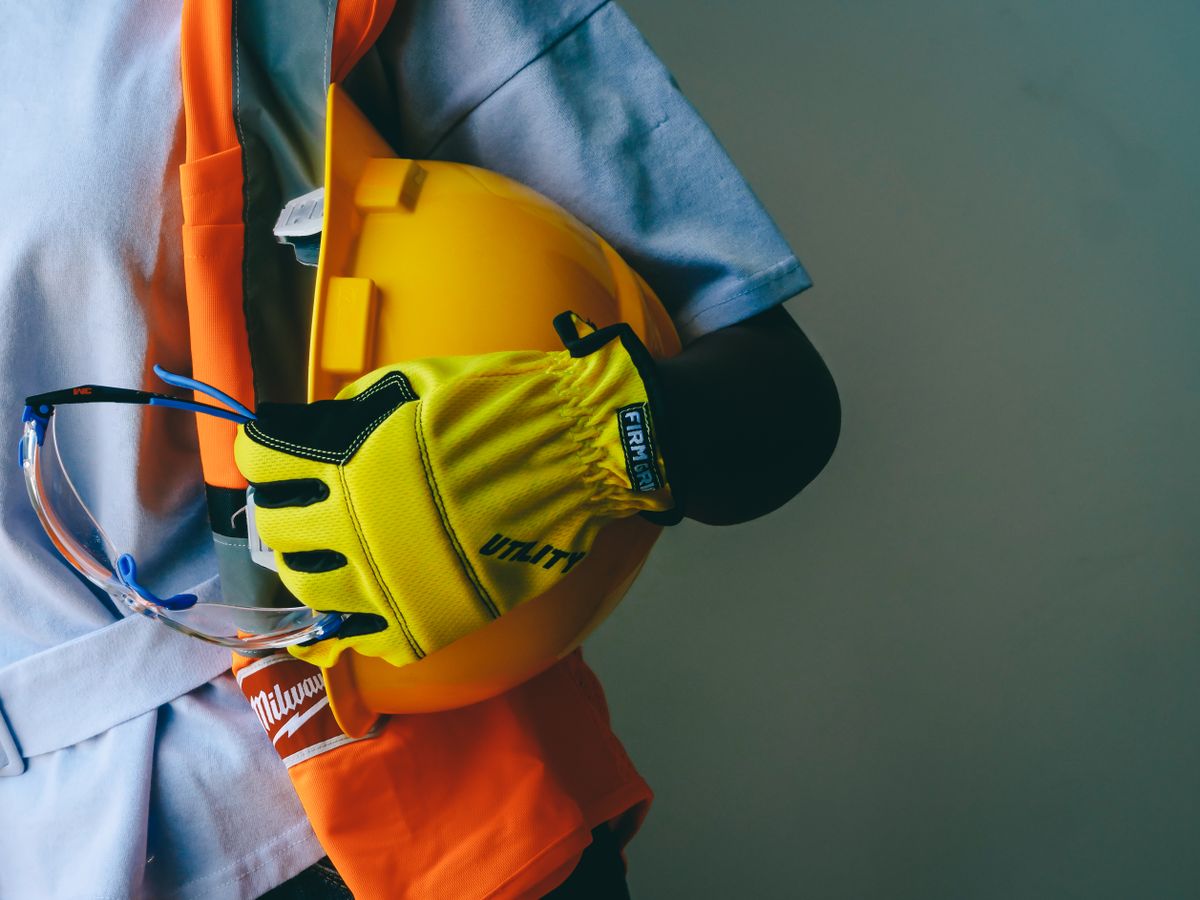
PPE Selection Guide for Chemical Hazards
Choose the right personal protective equipment for chemical handling. Covers gloves, respirators, eye protection, and protective clothing.
OSHA Noise & Hearing Conservation in Construction: 90 dBA PEL and the 85 dBA Myth
The OSHA construction noise PEL is 90 dBA TWA under 1926.52, not 85 dBA. Learn why 85 dBA is a general-industry number and what hearing conservation construction actually requires.
OSHA's PPE Fit Rule for Construction (2024 Final Rule, 1926.95): What Changed
OSHA's 2024 final rule amended 1926.95 to require construction PPE to properly fit each worker (effective Jan 13, 2025). What changed, who it protects, and how to comply.
OSHA Respiratory Protection Program: Complete Compliance Guide
Everything you need to know about OSHA's Respiratory Protection Standard (29 CFR 1910.134). From fit testing to medical evaluations, written programs, and SCBA requirements — a complete employer guide for 2026.
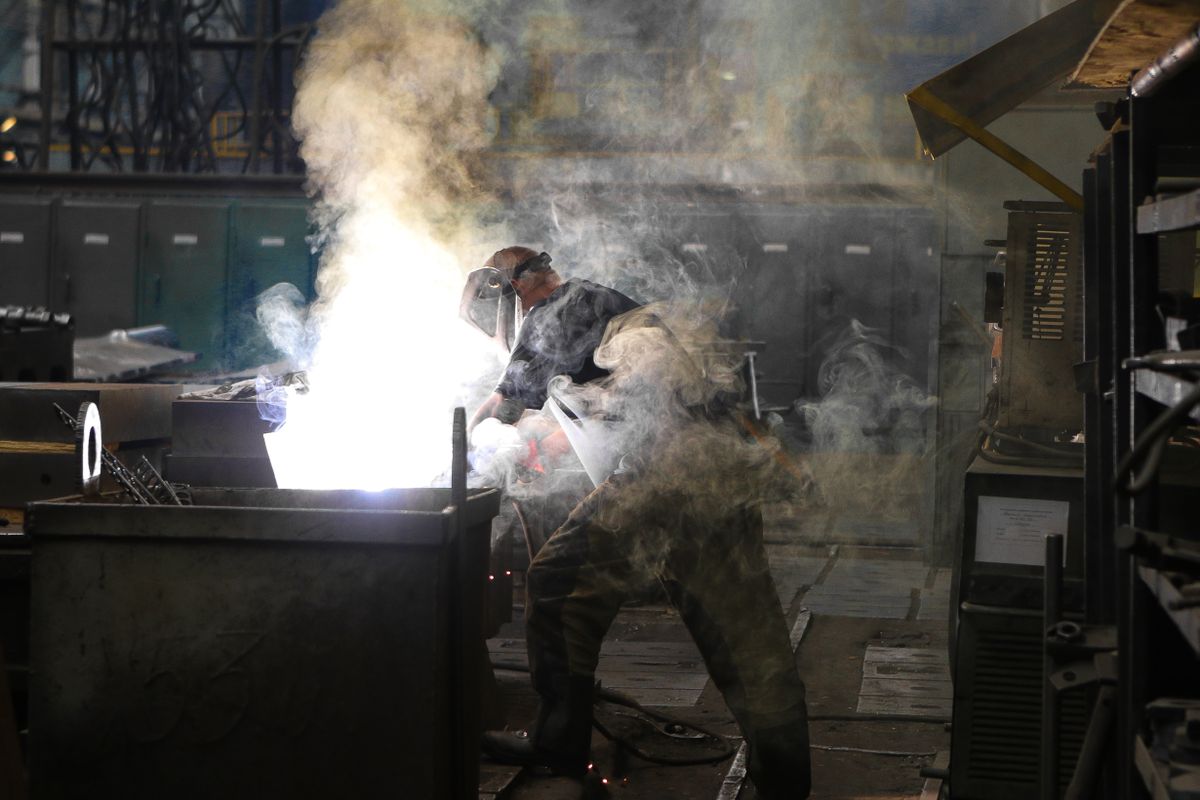
OSHA Welding Safety Requirements: Complete Guide for Construction
Complete guide to OSHA welding, cutting, and brazing safety requirements for construction. Covers hot work permits, fire watch, ventilation, PPE, confined space welding, and common citation prevention for 2026.
PPE for Construction: Complete Guide to Personal Protective Equipment Requirements
What OSHA requires for PPE on a construction site, category by category: head, eye and face, hands, feet, hearing, respiratory and fall protection, with the rule behind each, who pays, and the 2025 fit requirement.