Tag
Construction Safety
35 OSHA and HazCom articles tagged "Construction Safety" — practical, CFR-cited guidance verified against primary sources.

Does Your Safety Software Manufacture Evidence Against You?
A lockout removal saved with both verification boxes unchecked. A permit closed with no fire watch sign-off. Your compliance software just generated, timestamped, and preserved a signed record of the thing you didn't do — and it will export it beautifully for the inspector. The failure mode nobody audits for, and the test that finds it.
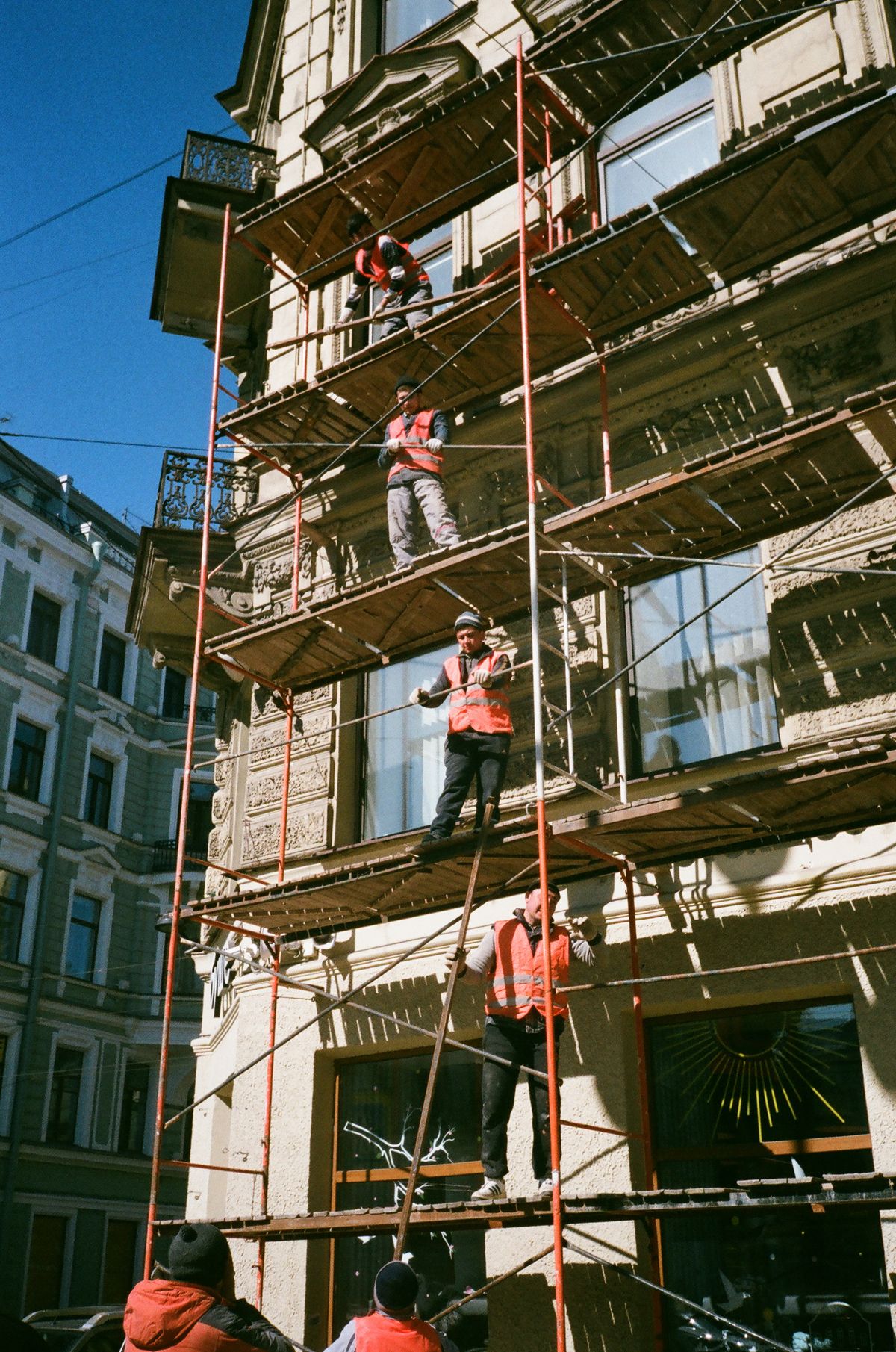
Is NFPA 51B Required by OSHA? What Construction Actually Incorporates
Everyone calls NFPA 51B 'the OSHA hot work standard.' It isn't one. 29 CFR 1926.6 — the list of standards OSHA construction adopts as law — names six NFPA documents, and 51B is not among them. The list, the citation, and what it changes on your permit.

Does OSHA Certify Competent Persons? No — What an Inspector Actually Asks to See
There is no such thing as an 'OSHA-certified competent person.' A competent person is DESIGNATED by the employer — and what an inspector asks to see is the designation, not a training certificate. The four documents that prove one.
Is Exactly 10% LEL Safe? OSHA Defines It Two Ways — and Enforces the Stricter One
OSHA's definition says a hazardous atmosphere is flammable gas 'in excess of 10 percent' of the LEL — so 10.0% reads as acceptable. Every other OSHA document says the opposite. This article shows what the enforcement directive actually settles, with verbatim citations.
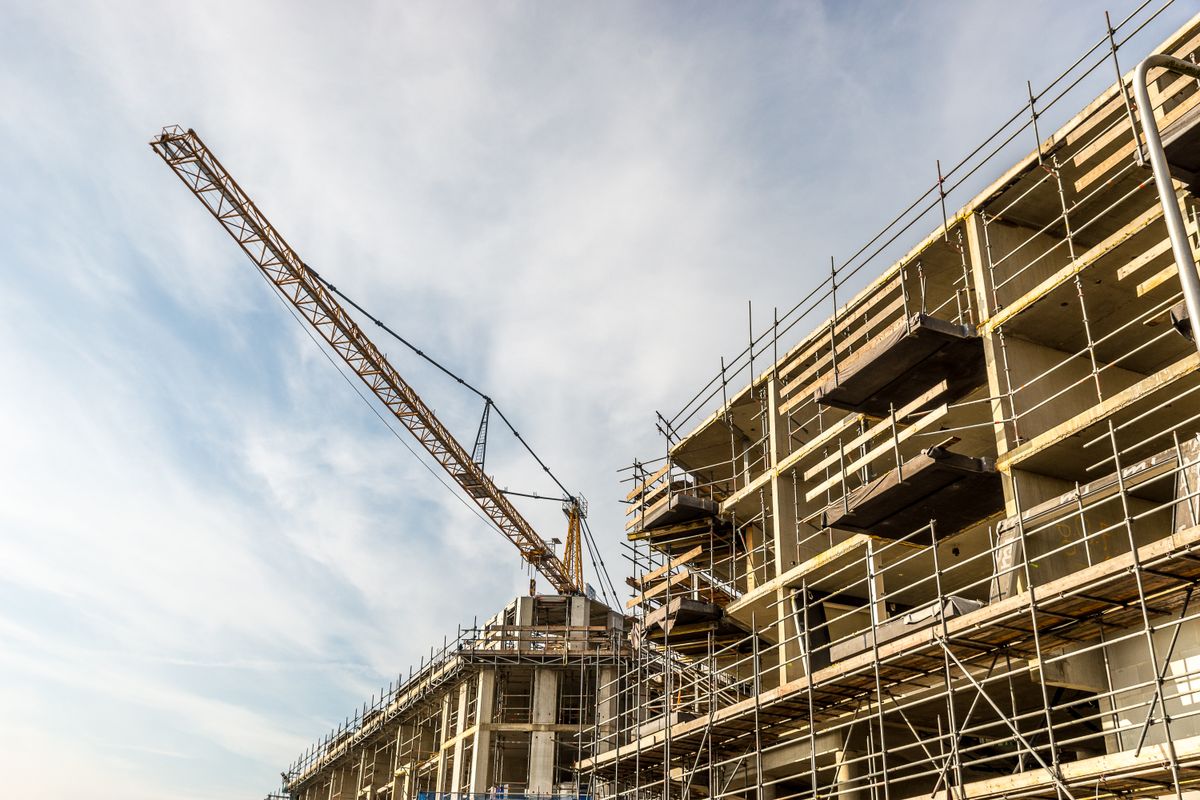
The Struck-By Paradox: Construction's #2 Killer vs. Where OSHA Actually Cites
Struck-by is the second-leading cause of construction death, yet the equipment behind it — forklifts, vehicles, cranes — is nowhere in OSHA's top-cited construction standards. An original analysis of the FY2025 citation data against the fatality record.

Asbestos in Construction: OSHA 1926.1101 PEL, Classes I-IV Work & Required Controls
OSHA's construction asbestos standard 29 CFR 1926.1101 sets a 0.1 f/cc PEL, a 1.0 f/cc excursion limit, and four classes of asbestos work, each with its own engineering controls, regulated-area rules, and worker protections. This is the full breakdown.

Does OSHA Lockout/Tagout (1910.147) Apply to Construction? The Surprising Answer
No. 29 CFR 1910.147 expressly excludes construction at 1910.147(a)(1)(ii). Construction hazardous-energy control instead runs on 1926.417, 1926.702(j), Subpart V, 1926.20/.21, and the General Duty Clause. This is how to build the right program.
Hexavalent Chromium in Construction (1926.1126): PEL, Welding & Required Monitoring
OSHA's construction hexavalent chromium standard 29 CFR 1926.1126 sets a 5 µg/m³ PEL and a 2.5 µg/m³ action level. OSHA names welding on stainless steel as a major exposure source.
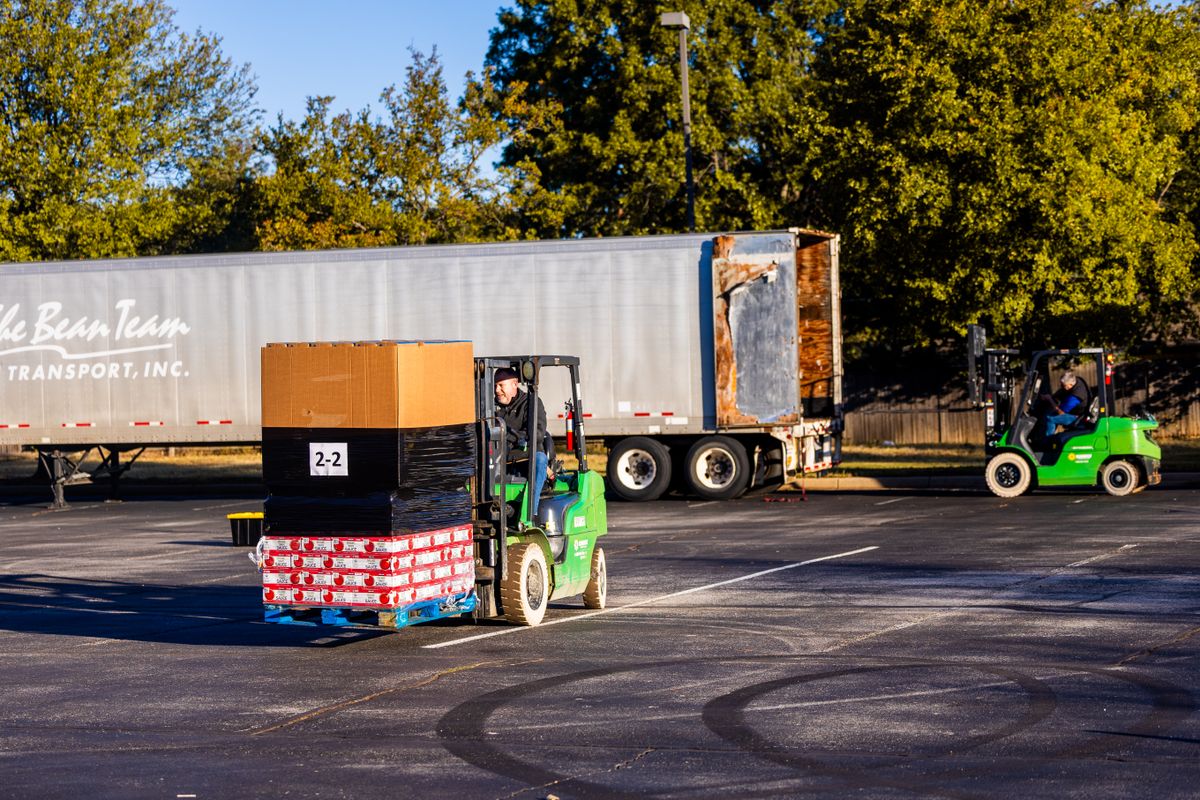
OSHA Forklift / Powered Industrial Truck Classes I-VII: Construction Cheat Sheet
Powered industrial trucks split into seven classes. On construction sites OSHA 1926.602 governs material handling equipment, and operator training mirrors the 1910.178(l) rules.