Category
Training
18 OSHA and HazCom guides filed under Training — practical and CFR-cited, so each figure can be checked at its source.
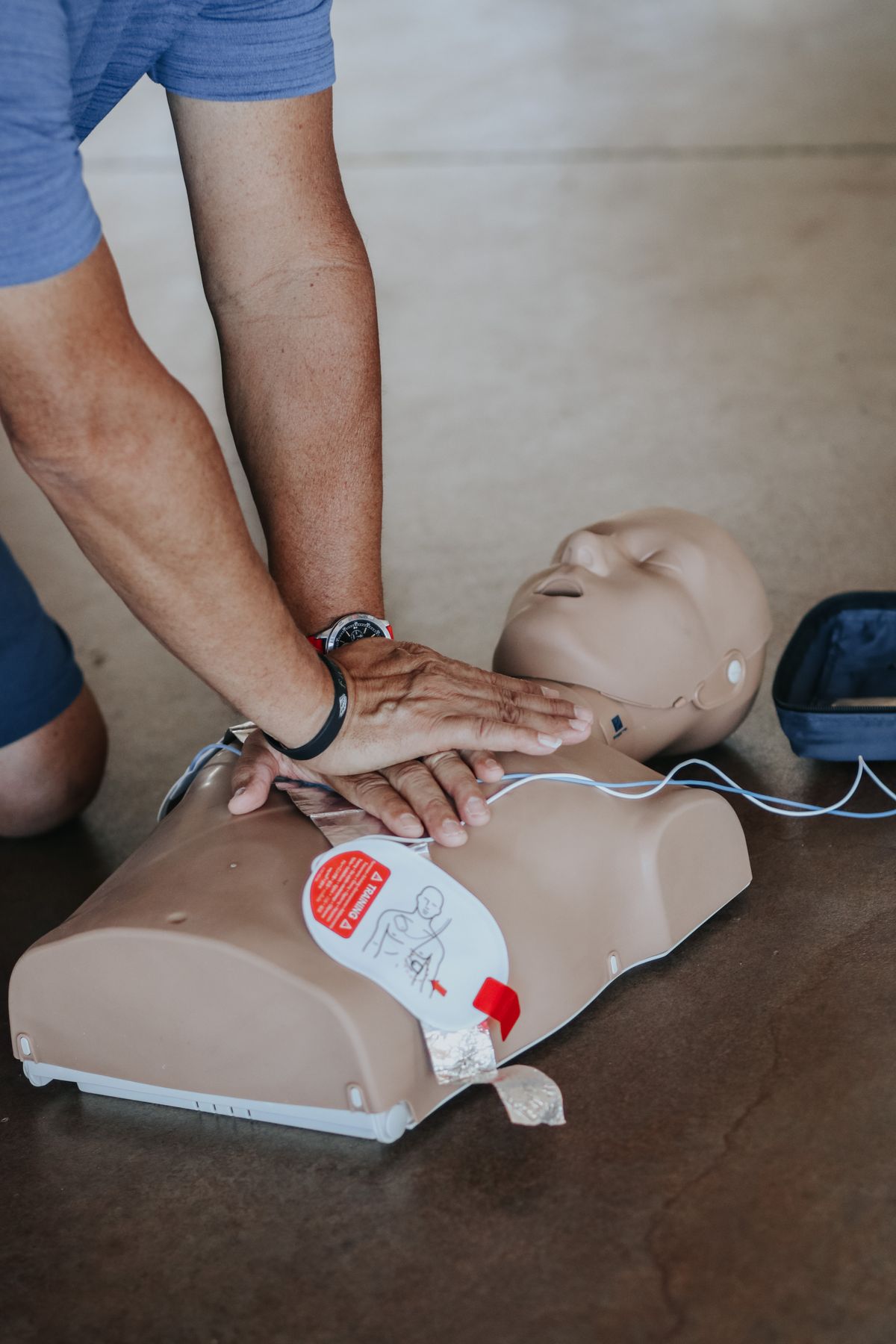
Bloodborne pathogens training requirements for employers
Employees with occupational exposure to blood or OPIM need training under 29 CFR 1910.1030(g)(2) at initial assignment, annually and when tasks change.

DOT hazmat training requirements by employee function
DOT hazmat training follows the functions each employee performs under 49 CFR 172.704: five components, a 90-day window for new employees, a three-year cycle, testing and a five-field training record.
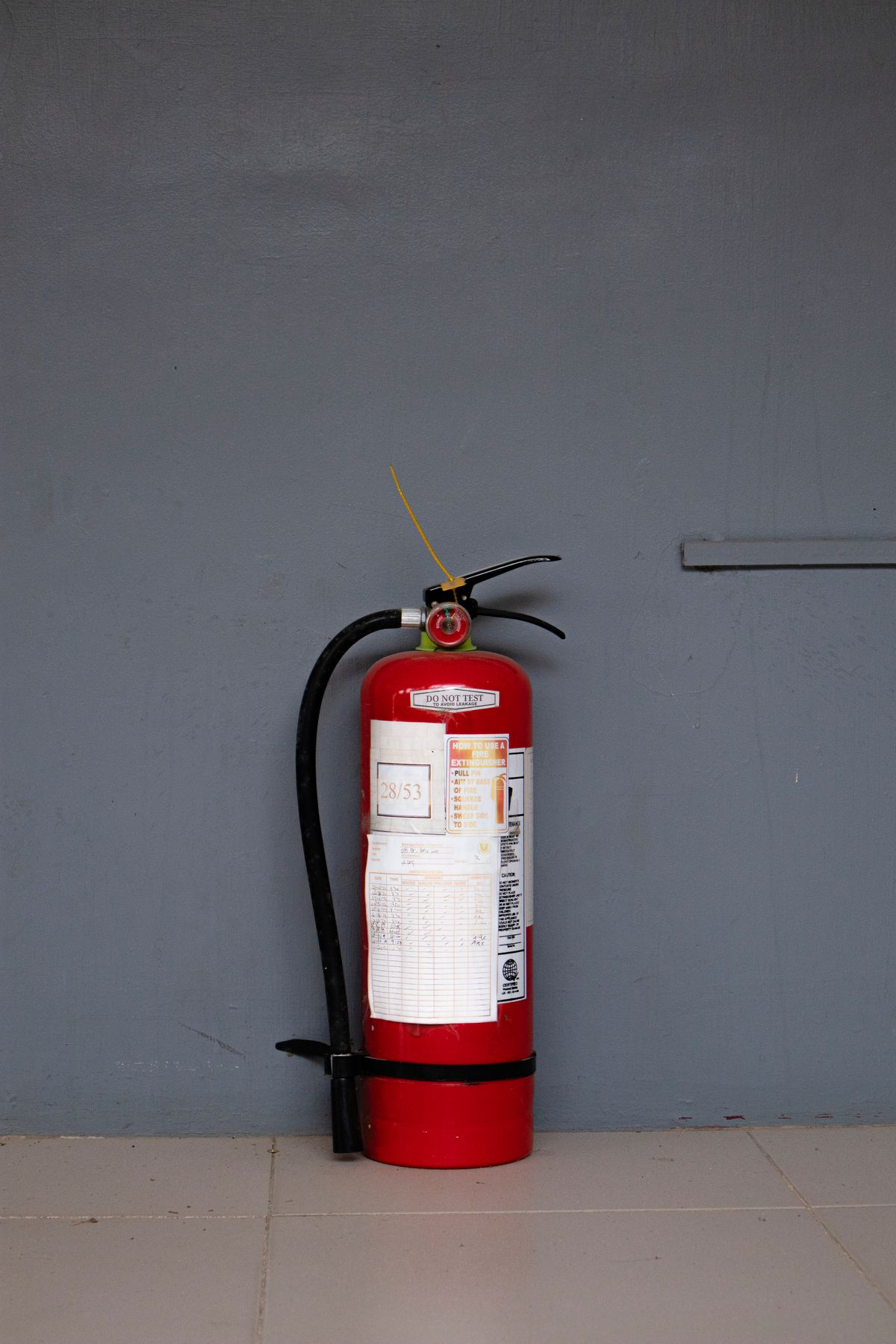
Fire extinguisher training requirements for US employers
Fire extinguisher training under 29 CFR 1910.157(g) depends on the role: education for permitted users, equipment training for designated employees.
A different forklift in the same class: check the training gap before the keys change hands
Review truck controls, attachments, operating limits and site conditions before assigning a different forklift, even when its class number stays the same.
After a forklift near miss: connect the investigation to refresher training
Respond to a forklift near miss with a factual review, relevant refresher training and an evaluation of learning, while correcting operational hazards.
HazCom training when employees struggle with reading
Plan practical HazCom instruction for workers who struggle with reading, using actual containers, demonstrations and checks of understanding at the job.
Temporary forklift operators: a handoff the host employer can verify
Build a practical handoff for temporary forklift operators: verify prior training, evaluate site conditions, assign refresher duties and maintain records.
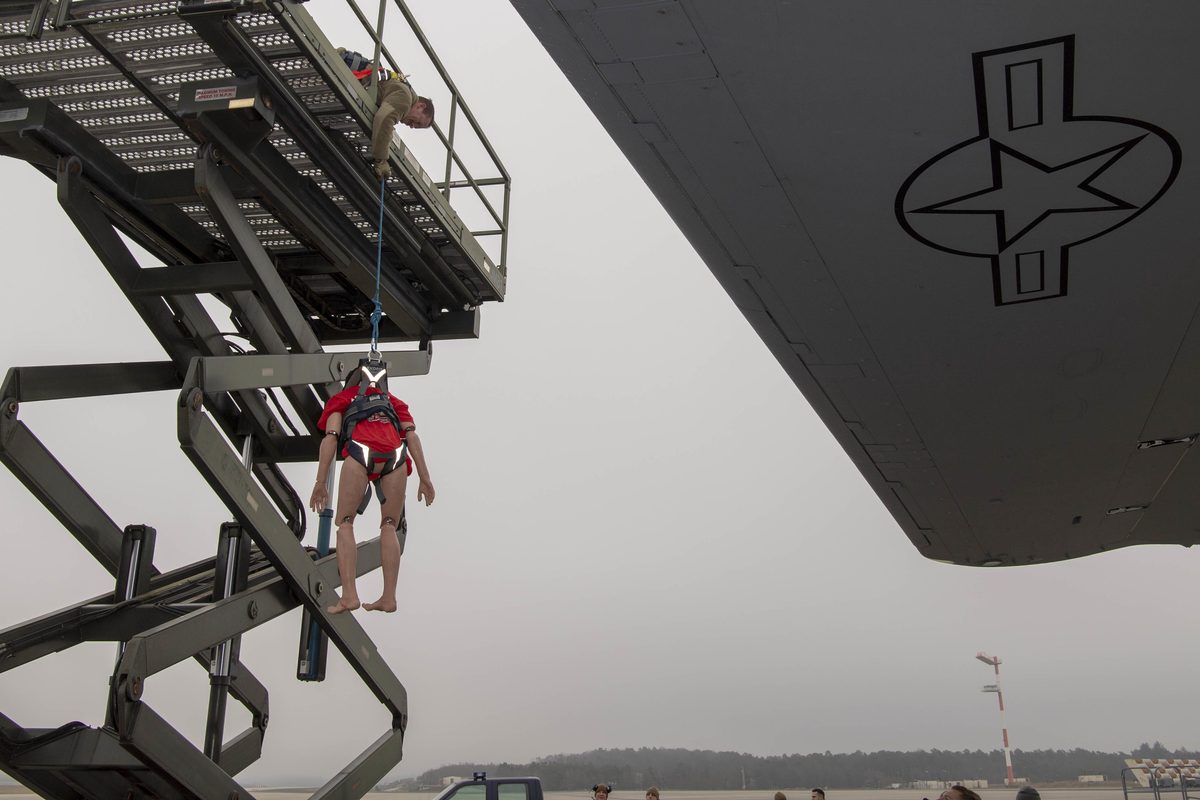
Who can conduct fall protection training under OSHA?
For construction covered by Subpart M, 29 CFR 1926.503(a)(2) has each employee trained by a competent person qualified in eight listed areas, and 1926.503(b) adds a written certification record. In general industry, 29 CFR 1910.30(a)(2) asks for a qualified person and no certificate. Which rule applies follows the work each employee does, and the employer judges who meets it.
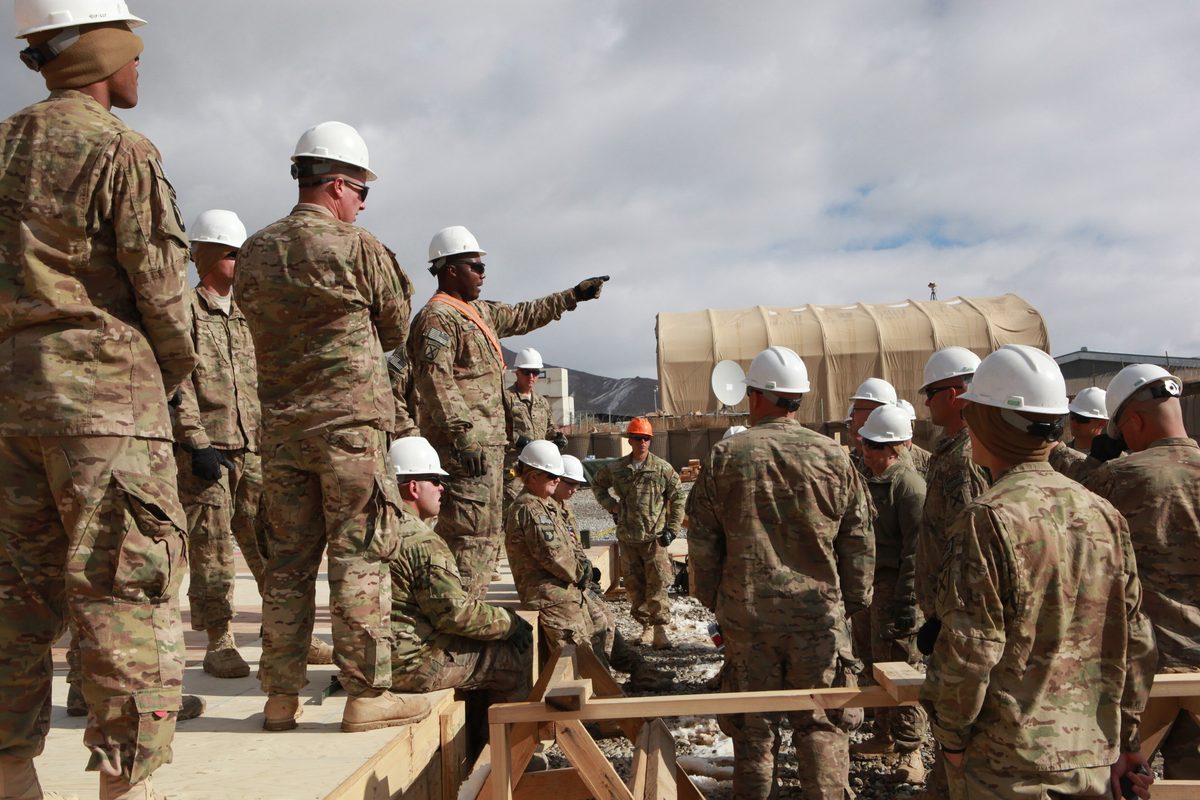
How often do you have to hold toolbox talks in California?
In California construction, 8 CCR 1509(e) has supervisory employees hold toolbox or tailgate safety meetings with their crews at least every 10 working days. The rule doesn't define working days and asks for no sign-in sheet. Washington requires crew meetings at the start of each job and at least weekly after that, Oregon at least monthly for employers that hold safety meetings instead of a committee, and 29 CFR 1926.21(b)(2) prescribes instruction without a meeting interval.
Do workers have to sign a toolbox talk sign-in sheet? What OSHA and California say
No federal OSHA standard requires workers to sign a toolbox talk sheet. OSHA wrote in 1997 that no standard requires the employer to obtain the employee's signature, and in 2000 that employee signatures are not required. 29 CFR 1926.21(b)(2) requires instruction for each employee. California construction requires toolbox or tailgate meetings at least every 10 working days under 8 CCR 1509(e), with nothing on signing.
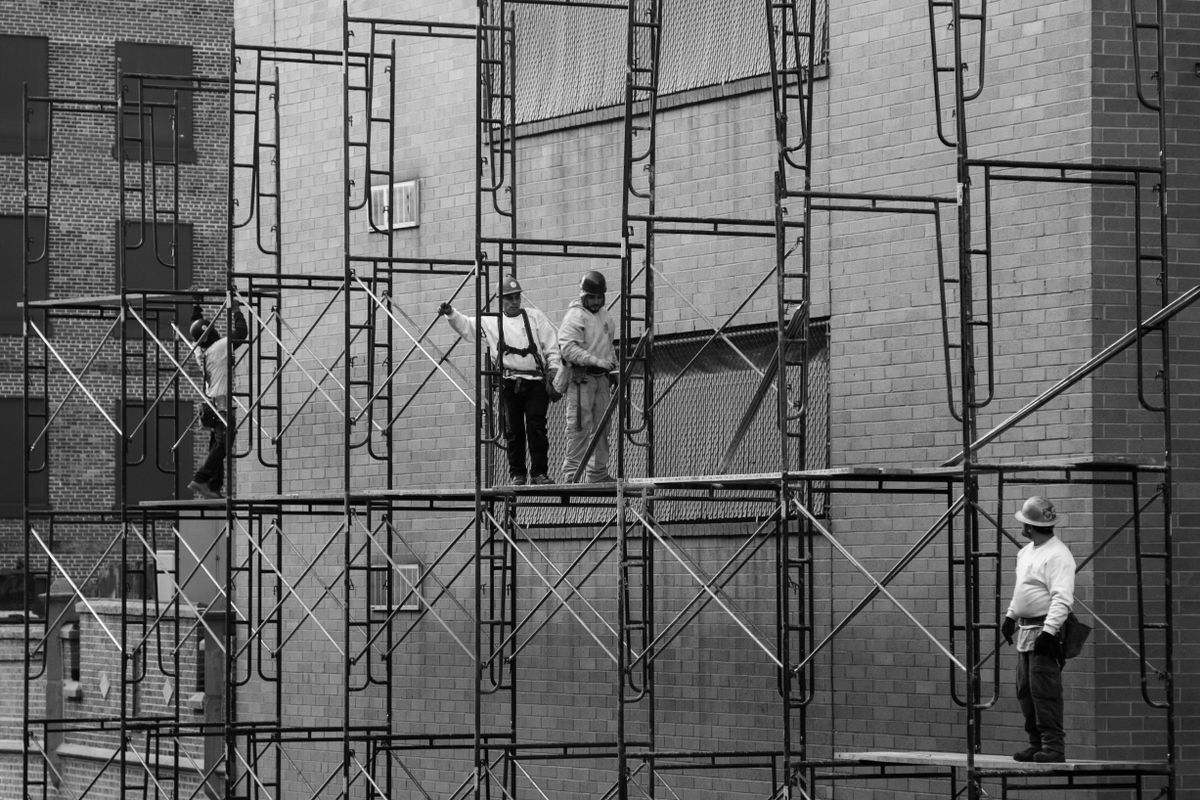
The Ultimate Toolbox Talk Guide: Engagement & Compliance
Toolbox talks aren't OSHA-mandated by name, but the training they document is. Learn the 4-step framework, a defensible sign-in sheet, the right frequency, and how to make a 5-minute talk actually change behavior.
HAZWOPER Training Levels: 40, 24 & 8-Hour Explained
40-hour, 24-hour, 8-hour refresher: HAZWOPER training levels confuse everyone. Who needs which, the field-experience days, the supervisor add-on, and the five emergency-response levels.
OSHA 10 vs OSHA 30: What Each Covers & State Mandates
OSHA 10 and 30-hour cards are everywhere on construction sites, but they're voluntary, they don't satisfy your training duties by themselves, and some states require them. What each one actually is.
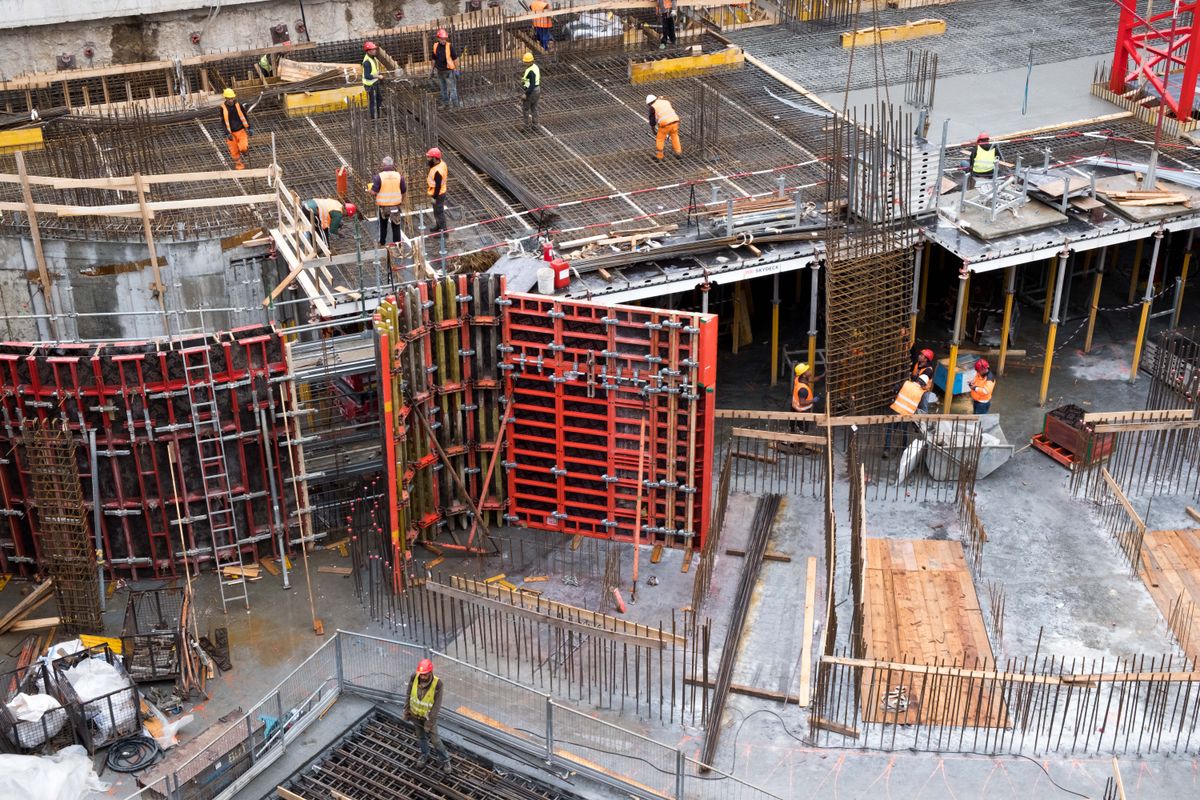
New Hire Safety Orientation: The Construction Checklist That Prevents Day-One Injuries
New workers meet unfamiliar hazards on day one, and OSHA's rules put training before exposure. Build your orientation with this checklist covering HazCom, PPE, fall protection, and site-specific hazards.
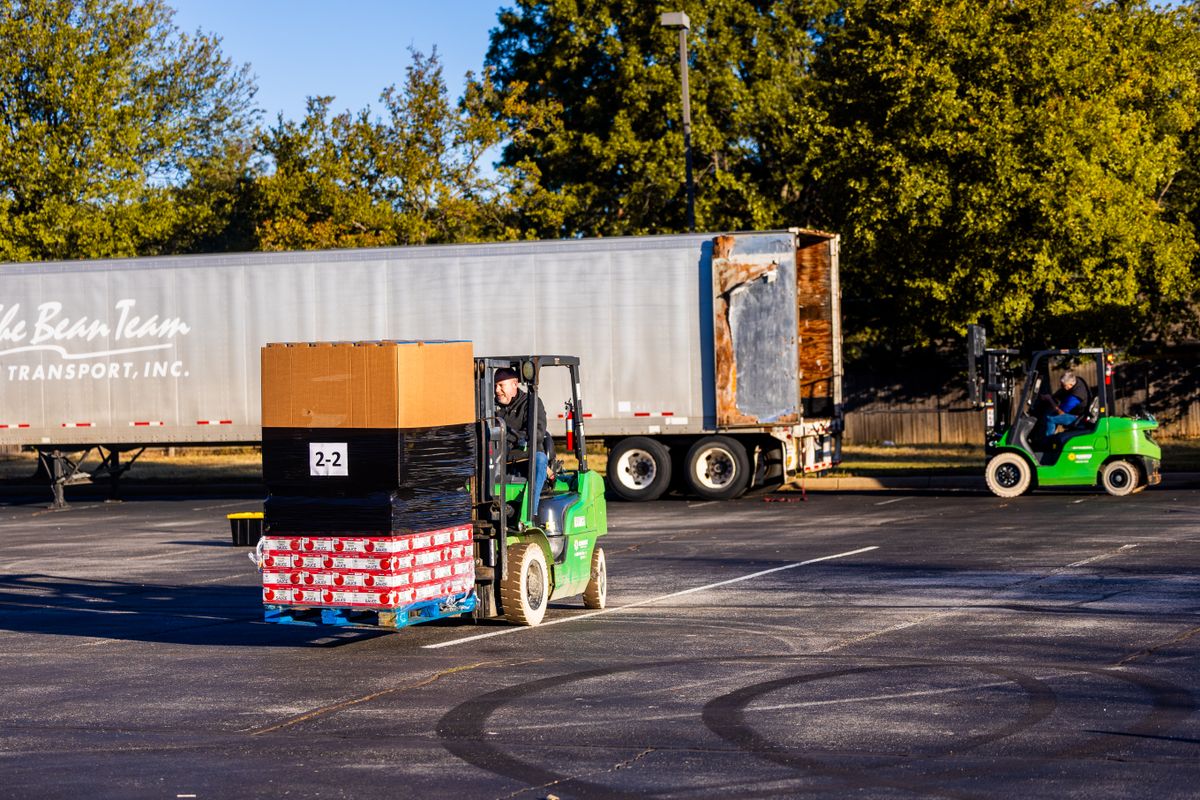
Forklift Evaluations & Respirator Fit Tests: The Two-Clock OSHA Compliance Problem
Forklift operator evaluations renew on a 3-year clock; respirator fit tests renew every 12 months. Here are both rules, the exact triggers, a side-by-side table, and how to never miss either deadline.

Training Center: Complete HazCom Training Management for Construction
Manage chemical safety training, competency assessments, and certification tracking from one platform. Automate retraining triggers and maintain OSHA-ready records.
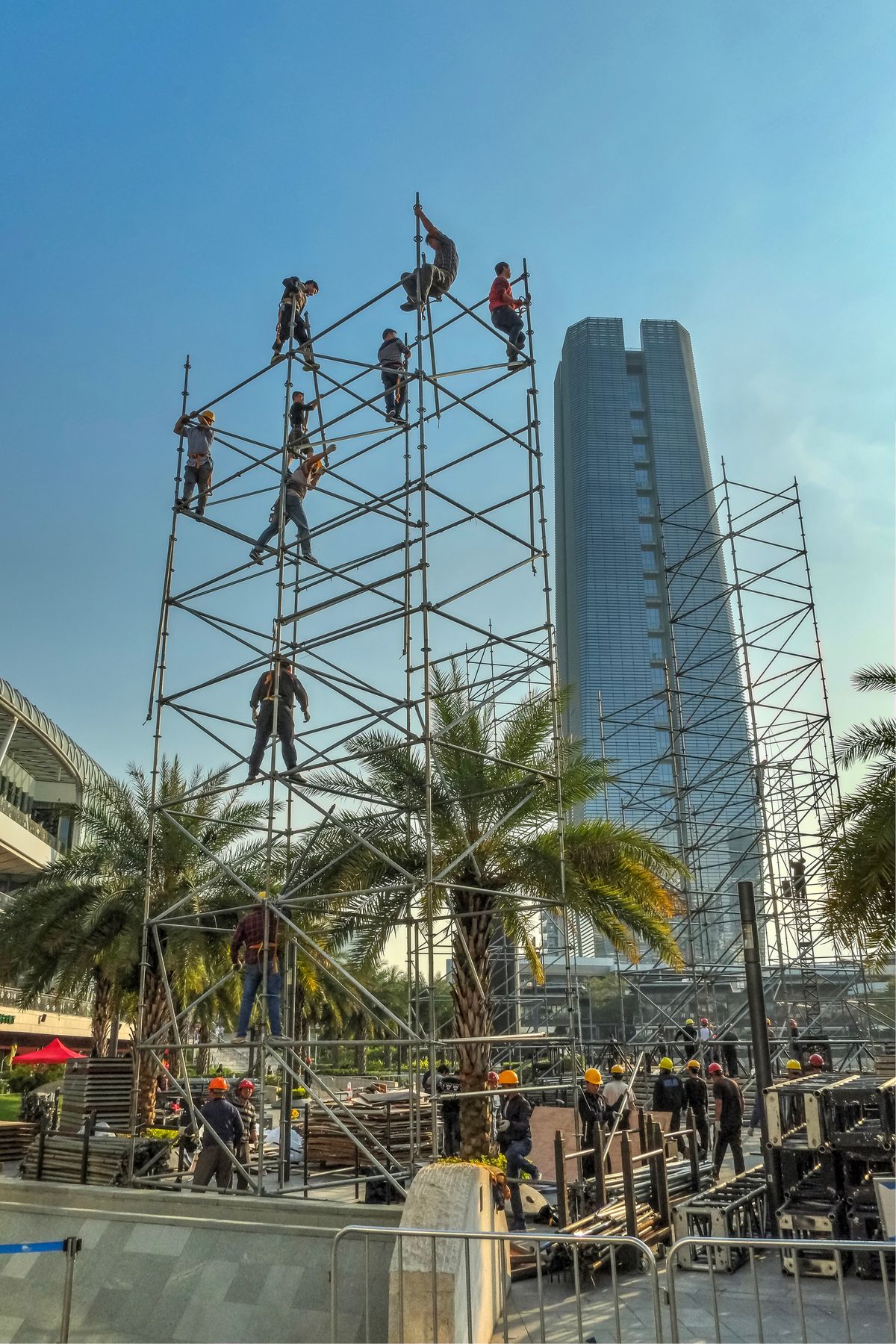
5 Minute Toolbox Talks and a Safety Meeting Schedule
How to run a 5 minute toolbox talk, timed step by step, and a 12-month safety meeting schedule for 2026 built around HCS 2024 labels, silica, heat and SDS access, with CFR cites.
HazCom Training Sign-In Log: What a Complete Record Shows
A dated HazCom training record is how you show an inspector the training happened. Learn the elements a sign-in log needs, why a list of signatures is not enough, and how to show training was effective.