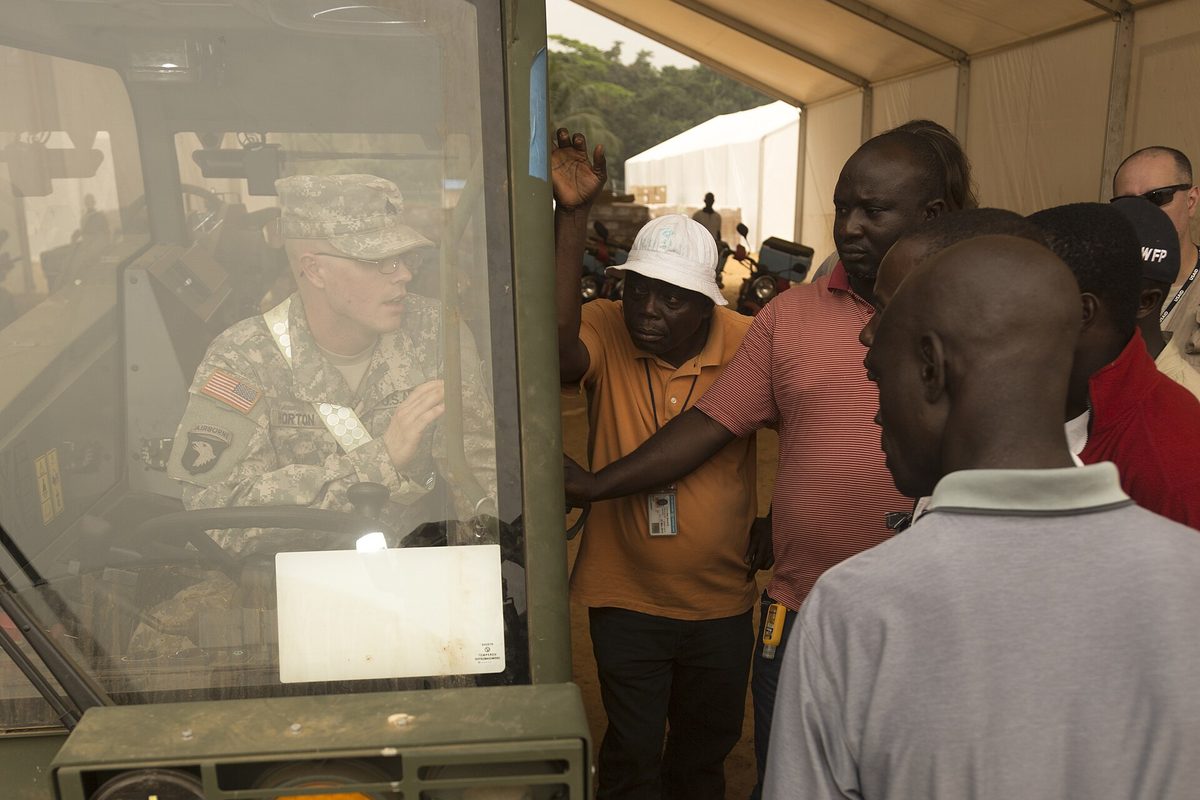
The replacement truck arrives while the usual machine is in the shop. Both appear in the same powered industrial truck class. The operator has years of experience, and production wants the load moved now. Before handing over the keys, compare the equipment and assignment with the training the operator actually received.
A class number alone cannot establish that an operator is trained for the replacement truck. 29 CFR 1910.178(l) ties instruction to the truck and workplace, permits appropriate prior training to be credited, and requires refresher training when an operator is assigned a different truck type.
Compare the replacement with the truck and work the operator knows. Resolve relevant gaps in instruction and performance before making the new assignment. Trucks within one class can have differences that matter.
Use classes to identify equipment, then examine the assignment
The familiar classes I through VII organize commonly used truck designs. OSHA presents them in its powered industrial truck eTool. The training requirements in 1910.178(l) use the terms “types of truck” and “working conditions”; the regulation does not state that type means one of those seven classes.
Keep that distinction in the training system. A database field limited to “Class I” may identify a broad equipment group without recording the operating differences that matter. The powered industrial truck class guide can help identify the group, but the assignment review needs more detail.
A different model number does not automatically require an entirely new initial course. Read the applicable requirements in 1910.178(l)(3), the refresher triggers in (l)(4), and the credit provision in (l)(5). The decision should explain the relevant differences instead of treating a class or model field as a legal answer.
Compare the controls the operator will use
1910.178(l)(3)(i) includes operating instructions, warnings and precautions for the types of truck the operator will be authorized to operate. It also includes controls and instrumentation, steering, maneuvering and visibility, where applicable to safe operation.
Compare those subjects against the replacement truck. How are direction and travel selected? What controls operate the attachment? Where are warnings displayed? Does the operating position change the operator's view or the movements needed for a maneuver? Obtain the manufacturer's instructions rather than relying on appearance.
A familiar-looking control can still have a different effect. Have the trainer demonstrate the relevant functions, then have the operator practice under appropriate training conditions. Training under 1910.178(l)(2)(ii) includes practical demonstration and exercises, along with formal instruction and workplace evaluation.
Check attachments, loads and operating limits
Fork and attachment adaptation, operation and limitations are truck-related topics under 1910.178(l)(3)(i)(G). Capacity and stability are addressed in the following topics. An operator who knows the base truck may need instruction for a changed attachment or load-handling task.
Verify the equipment information before teaching from it. Under 1910.178(a)(4), modifications and additions affecting capacity or safe operation require the manufacturer's prior written approval, with changes to plates, tags or decals accordingly. Resolve required equipment approval before the evaluator teaches or evaluates operation with the attachment.
Ask the operator to explain the limitations relevant to the actual load. Use the correct equipment data and a controlled exercise suitable for the instruction. Do not turn an improvised production lift into a test of unknown capability. Where the truck or attachment information is unresolved, resolve it before treating the equipment as ready for the assignment.
Compare the workplace, even if the truck is unchanged
The assignment can change without replacing the truck. 1910.178(l)(3)(ii) lists workplace-related topics such as surface conditions, load composition, pedestrian traffic, restricted spaces, ramps and other sloped surfaces, hazardous locations, and enclosed areas with potential exhaust buildup.
An experienced warehouse operator moving to a construction site needs the new conditions addressed. Likewise, a truck moved from a quiet storage building into a busy receiving area presents a different operating context. Changed conditions affecting safe operation are a refresher-training trigger under 1910.178(l)(4)(ii)(E).
Walk the proposed route with the operator. Identify the controls the employer uses for pedestrians, blind corners and loading areas. Record any scope restriction: an evaluation for a particular work area should not silently become permission to operate everywhere else on the property.
A comparison sheet that supports a decision
The table below is an internal review aid. OSHA does not prescribe this layout. Its categories follow subjects in 1910.178(l)(3), making the employer's reasoning easier to examine later.
| Review item | Compare with previous assignment | Record the action taken |
|---|---|---|
| Controls and instrumentation | Direction, steering and attachment functions | Instruction and practice on changed controls |
| Visibility | View from operating position and load obstruction | Relevant route and maneuver evaluation |
| Capacity and stability | Truck data, attachment and load characteristics | Equipment data reviewed and limitations taught |
| Operating environment | Surface, slopes, aisles and pedestrians | Site-specific instruction and evaluation |
| Power source | Refueling or charging tasks the operator will perform | Applicable procedures explained and demonstrated |
| Other manufacturer limitations | Instructions specific to the assigned equipment | Unresolved items closed before assignment |
1910.178(l)(3) allows exclusion of a training topic when the employer can demonstrate that it is not applicable to safe operation in the workplace. That provision requires a reason. An empty row or a default “not applicable” selection does not explain why the subject can be omitted.
Credit what the operator already knows
Under 1910.178(l)(5), additional training in a previously covered topic is unnecessary when that training is appropriate to the truck and working conditions and the operator has been evaluated as competent. This allows a focused review that avoids repeating unrelated material.
OSHA's February 16, 1999 interpretation letter discusses evaluating the adequacy of earlier training. It identifies equipment experience, its recency and the earlier environment as factors an employer may consider. Use available training records, discussion and observation to establish the facts for this operator.
Record which topics you credited and why. This is a useful management record, separate from the certification fields required by 1910.178(l)(6). Keep any unresolved area visible so that a supervisor cannot mistake a partly completed review for a finished evaluation.
A worked equipment change
For example, a warehouse substitutes a different counterbalanced electric truck for a machine awaiting repair. Both trucks are in Class I. The substitute has unfamiliar controls and an attachment the operator has not used.
The evaluator starts with the operator's existing instruction and experience under 1910.178(l)(5). The employer confirms the attachment's equipment information, then provides instruction and practice on the changed controls and applicable limitations under 1910.178(l)(3)(i). The workplace route is unchanged, but performance with this equipment still needs to be evaluated.
The evaluator could record: replacement Class I truck, unfamiliar attachment controls and different load limitations; instruction and practice completed; performance evaluated on the assigned equipment and route. This suggested scope note explains the decision without declaring that every Class I substitution is a different truck type. When the assignment is to a different type, 1910.178(l)(4)(ii)(D) requires refresher training.
Evaluate performance and complete the record
Training and evaluation personnel need the knowledge, training and experience required by 1910.178(l)(2)(iii). They must be able to recognize the differences being assessed. Assigning the task to whichever supervisor is available does not establish that qualification.
Evaluate performance in the relevant workplace conditions under 1910.178(l)(2)(ii). A written question may help check knowledge, but observation is needed to establish how the operator performs the assigned work. The forklift training guide explains that broader training structure.
The certification under 1910.178(l)(6) identifies the operator, training date, evaluation date and the people conducting training or evaluation. Additional equipment and assignment detail can help a future supervisor understand the record's scope. The operator certification tool provides a place to organize the required information.
Keep the review connected to future changes
1910.178(l)(4)(ii) addresses several refresher triggers beyond changing truck type. Unsafe operation, an incident, an evaluation revealing unsafe operation and workplace changes affecting safe operation require attention when they occur. The routine evaluation required at least once every three years by (l)(4)(iii) does not postpone an event-based obligation.
For construction, the note to 1926.602(d) applies training requirements identical to 1910.178(l). Equipment requirements remain a separate review under the construction provisions. Refer supervisors to the equipment inspection guide when the change raises an equipment-condition issue as well as a training issue.
At the next replacement-truck handoff, ask the evaluator to identify the differences before opening the certification form. Give the operator time to practice those differences. The completed record should follow the evaluation, with enough scope information for the next supervisor to know what was actually assessed.
Frequently Asked Questions
Does the same forklift class prove that prior training is enough?
No. 1910.178(l)(3) addresses the truck and workplace topics relevant to safe operation, and 1910.178(l)(5) conditions credit for prior training on its appropriateness and an evaluation of competence. A class number alone cannot establish those facts.
What does OSHA call for when an operator receives a different truck type?
1910.178(l)(4)(ii)(D) identifies assignment to a different type of truck as a refresher-training trigger. The standard does not define that trigger as a change between the seven I-VII classes.
Does every operator have to repeat all initial training for a replacement truck?
Not automatically. 1910.178(l)(5) permits credit for prior instruction appropriate to the equipment and conditions when the operator has been evaluated as competent. Refresher training addresses the relevant topics under 1910.178(l)(4)(ii).
Can a warehouse evaluation cover a construction assignment?
The note to 1926.602(d) applies training requirements identical to 1910.178(l). Earlier instruction must still fit the assigned truck and construction conditions under 1910.178(l)(3) and (l)(5).
Site-wide regulatory figures such as compliance dates and penalty amounts come from our regulatory source-of-truth modules, last checked against the eCFR, OSHA.gov, and the Federal Register on October 19, 2026. Last reviewed November 15, 2026.
About This Article
Published by: HazComFast
Published: November 15, 2026
Last Updated: November 15, 2026
This content is for informational purposes only and does not constitute legal advice.