Tag
Fall Protection
15 OSHA and HazCom articles tagged "Fall Protection" — practical, CFR-cited guidance verified against primary sources.
Fall protection (29 CFR 1926.501) is OSHA's single most-cited standard, year after year. Construction employers must protect every worker on a walking or working surface 6 feet or more above a lower level — with a guardrail, a safety net, or a personal fall arrest system. The articles below cover the duty, the systems criteria (1926.502), training (1926.503), and how the violations get cited.

76% of OSHA's Construction Fall Protection Citations Hit Houses: The FY2025 Data on 1926.501(b)(13)
OSHA's most-cited construction standard is, in practice, a residential roofing and framing rule. In FY2025, 5,142 of 6,778 federal fall protection citations in construction cited one paragraph, 1926.501(b)(13). Roofers took 56% of them, three in four came from planned inspections, and one in five was a repeat.

Is a Scissor Lift an Aerial Lift? OSHA Says It's a Scaffold
OSHA answered this in writing in 2000: a scissor lift is not an aerial lift. It is a mobile scaffold, covered by 29 CFR 1926.451 and 1926.452(w). That one classification decides whether your crew ties off, what training the operator needs, who inspects the machine and against which checklist.
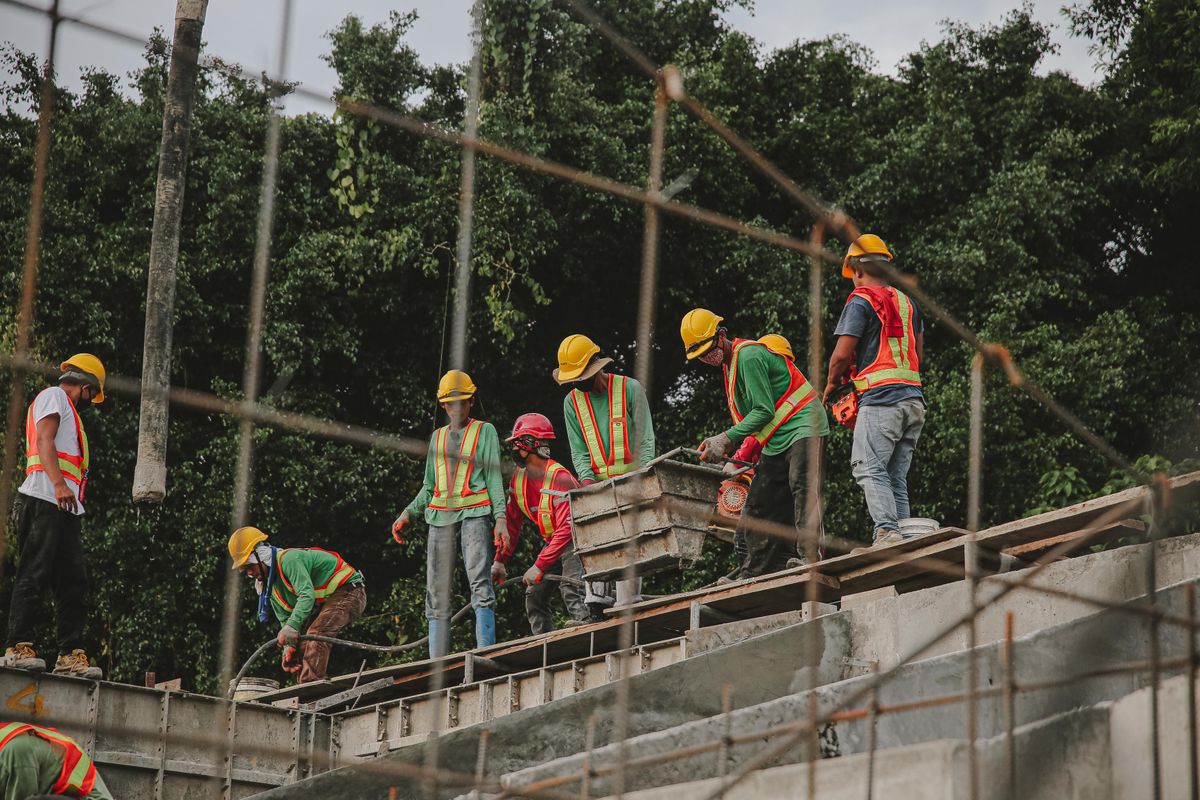
Trained Too Late: The Data on New-Worker Injuries and OSHA's Only Top-10 Training Standard
The most dangerous stretch of a job is often the first few months. In the US, workers with a year or less on the job are about a quarter of the workforce but a third of the injuries that cost days away from work — and the one standard in OSHA's Top 10 whose entire subject is training gets cited thousands of times a year. This is the data on the training gap, and what OSHA actually requires to close it.
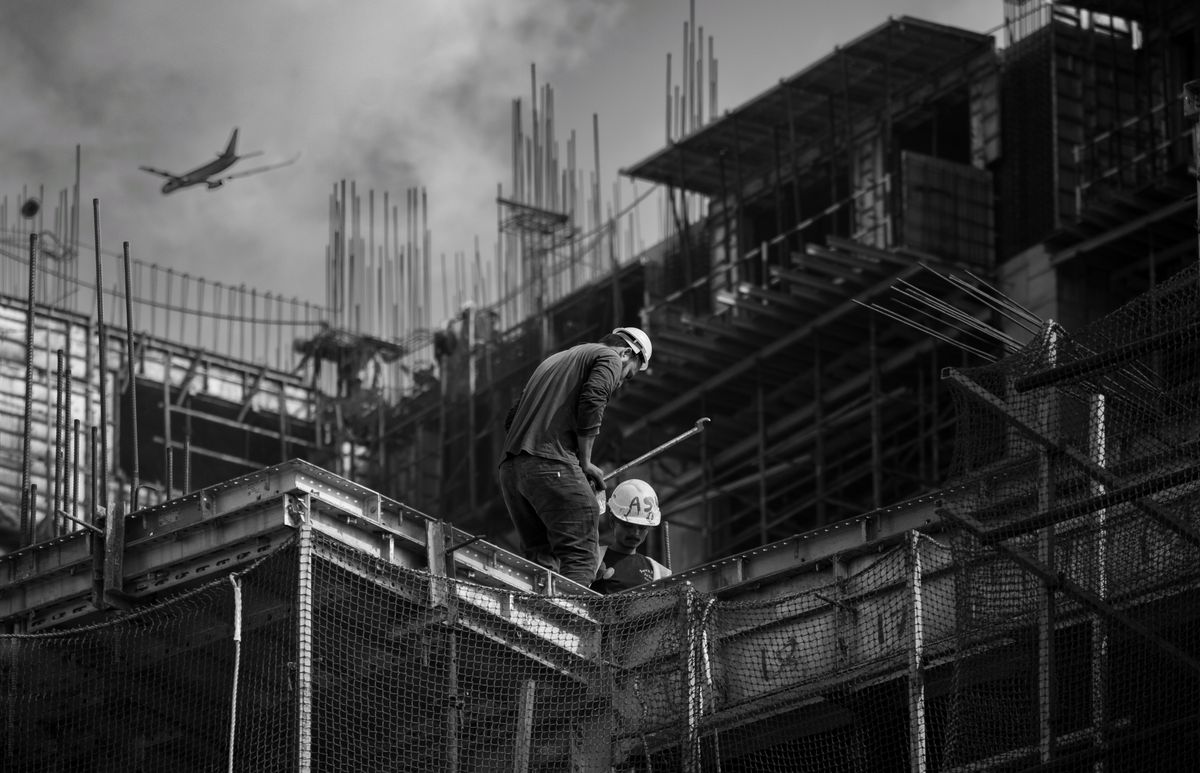
OSHA's Top 10 for FY2025: The Most-Cited Standards as a Syllabus
A data analysis of OSHA's FY2025 most-cited standards: 29 CFR 1926.501 topped the list, 6,772 construction citations sit behind it, and the ten standards together work as an open-book exam. Why that published list is the most useful fact in compliance.

What 5,070 Workplace Deaths in 2024 Reveal: A CFOI Data Analysis
An original analysis of the BLS Census of Fatal Occupational Injuries for 2024 — 5,070 deaths, a 10-year trend line, the six ways workers die, and the uncomfortable finding that the hazard killing the most workers is the one OSHA regulates least directly.
Construction Safety Enforcement in FY2025: An OSHA Data Analysis
An original analysis of federal OSHA's FY2025 construction enforcement — 26,559 citations and $109.0M in penalties — showing how a single standard, fall protection, drives 41% of the dollars and reshapes where a contractor should spend its safety budget.

The True Price of a Fall: From a $6,629 Citation to a Life
The average OSHA fall-protection citation carries about $6,629 in penalties (current amounts) — and it is the smallest cost a fall imposes. This analysis builds the full cost cascade, from the citation to the injury, through OSHA's own Safety Pays multiplier, to the sales a company must generate to survive one fall — and, ultimately, to the 389 construction workers a year for whom the cost is a life.
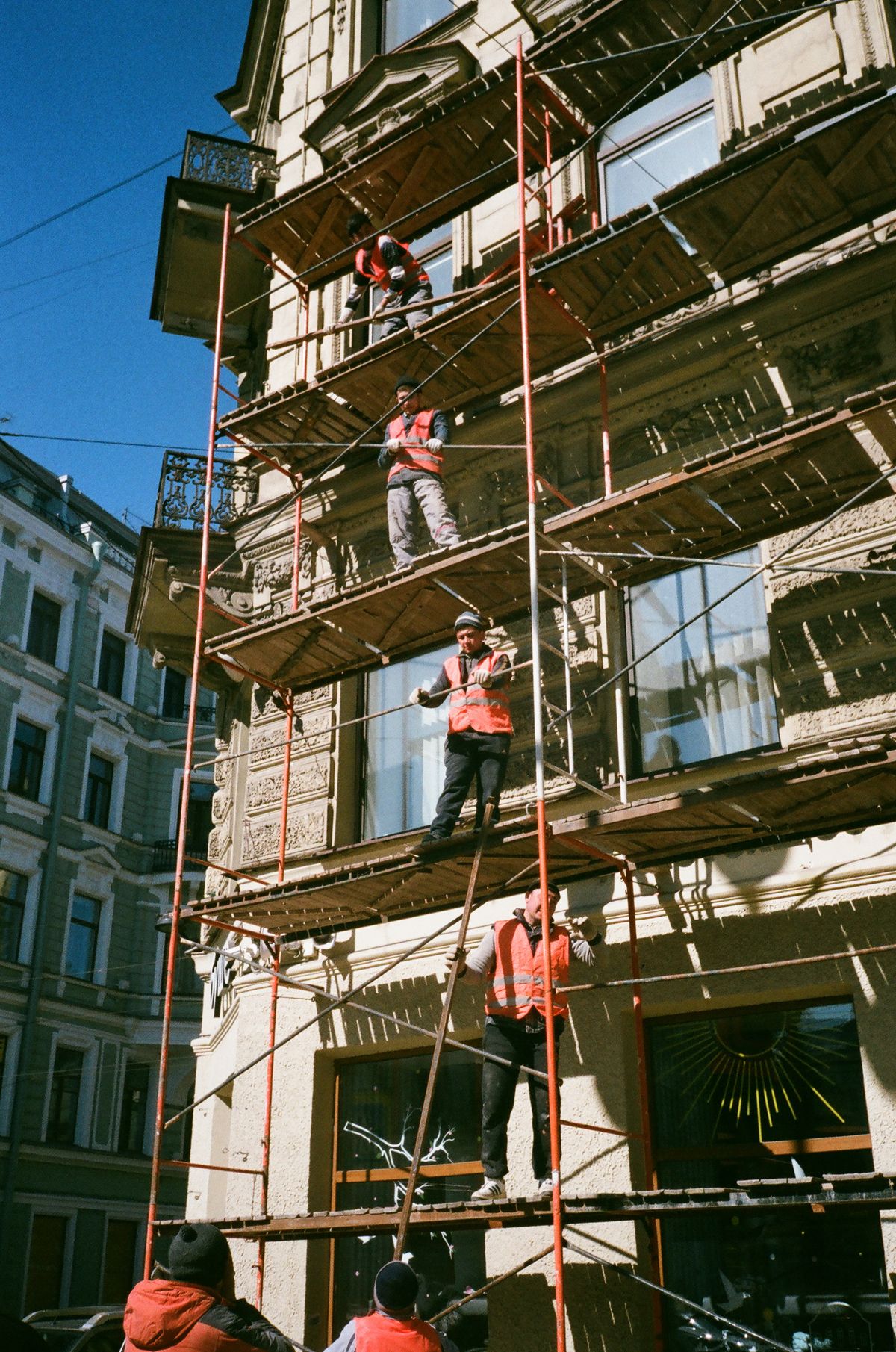
Why Falls Stay #1: The Convergence of Deaths, Citations, and Dollars
Falls are the leading cause of construction death, the most-cited OSHA standard, and the single largest source of penalty dollars — all at the same time. This analysis shows how three independent datasets converge on one hazard, and why the most-regulated risk in construction is still the one that kills most.
OSHA Ladder Safety in Construction: 1926 Subpart X Rules & the 4-Foot Rule
OSHA regulates construction ladders under 29 CFR 1926 Subpart X (1926.1050–1926.1060). Learn the 4-foot access rule, the 3-foot extension rule, and load and angle requirements.