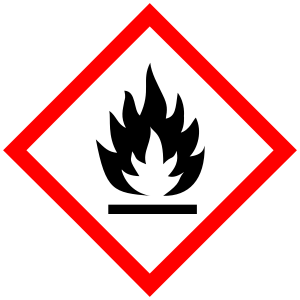
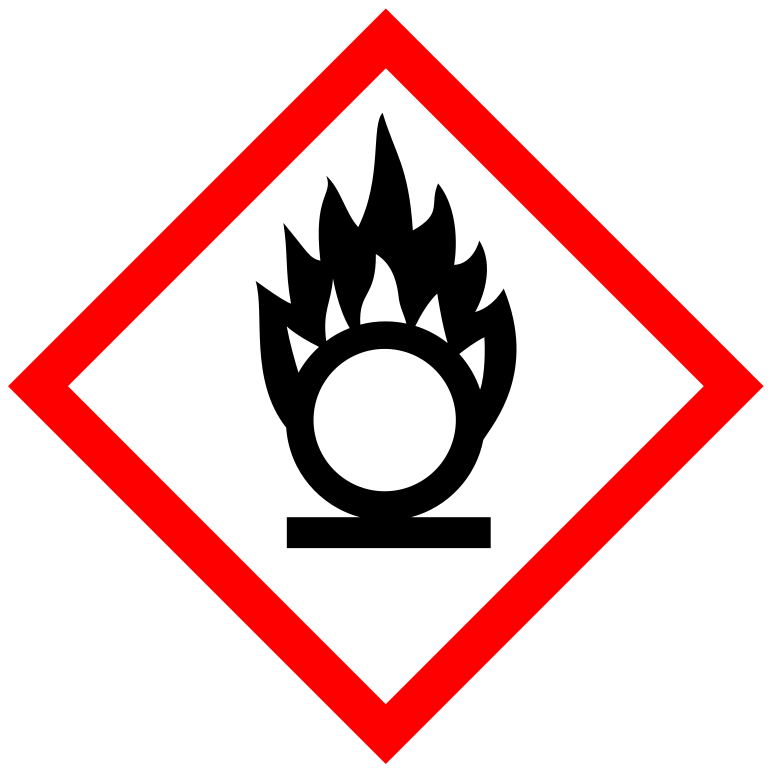
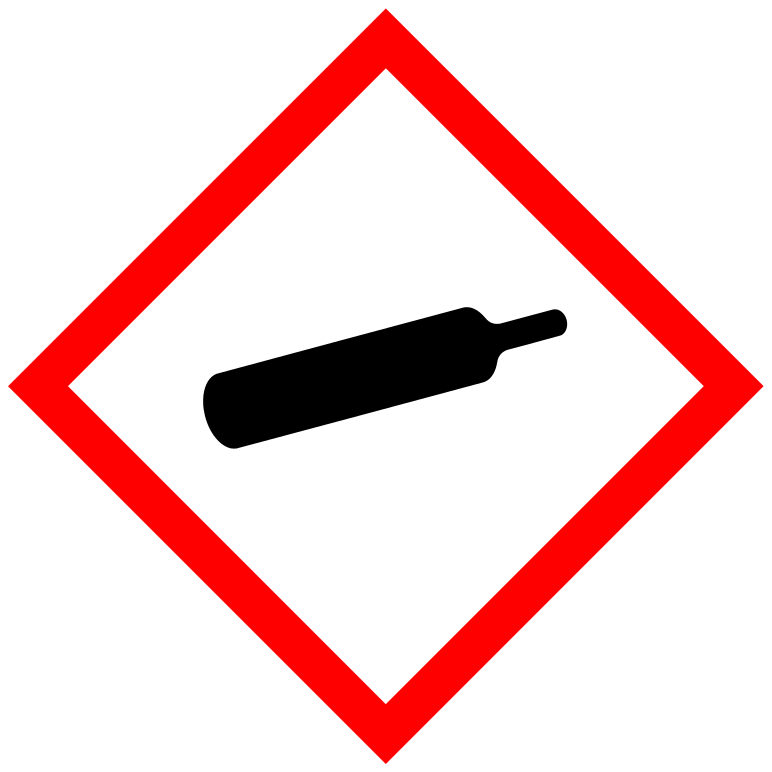
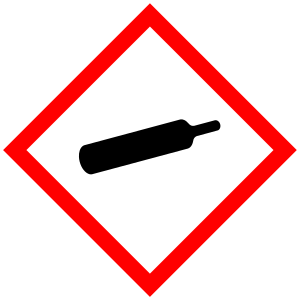
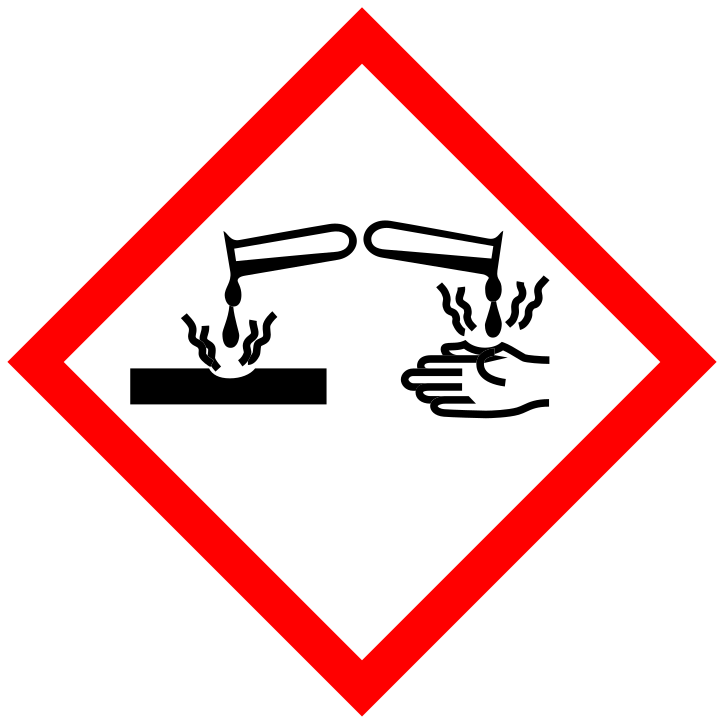
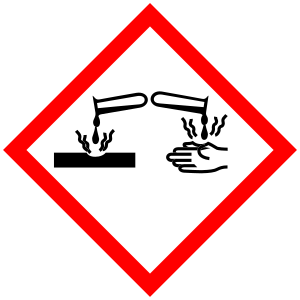
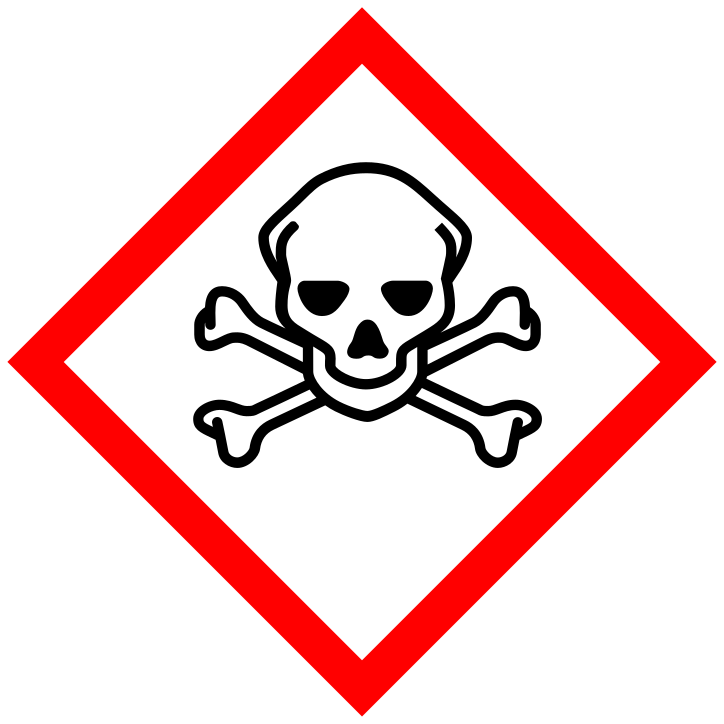
At a glance
- Nine GHS pictograms; OSHA's Appendix C uses eight symbols (29 CFR 1910.1200 Appendix C.2.3.2).
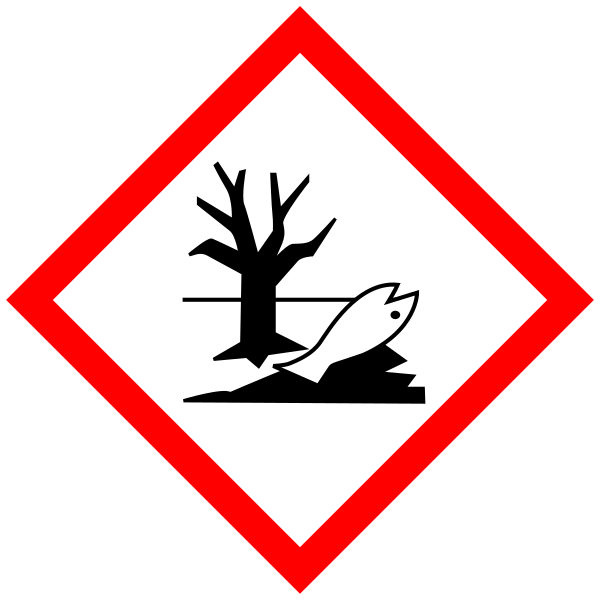
- The environment pictogram is not one of the eight symbols of OSHA's Appendix C.
- Each pictogram appears only once on a label (Appendix C.2.3.4).
- Free to use, no attribution needed: Appendix C symbols and public domain SVG files.
Which pictogram goes with which hazard class?
The classes below are those printed under each symbol in Figure C.1 of Appendix C, as it stands in the eCFR.
| Pictogram | Hazard classes (Figure C.1) |
|---|---|
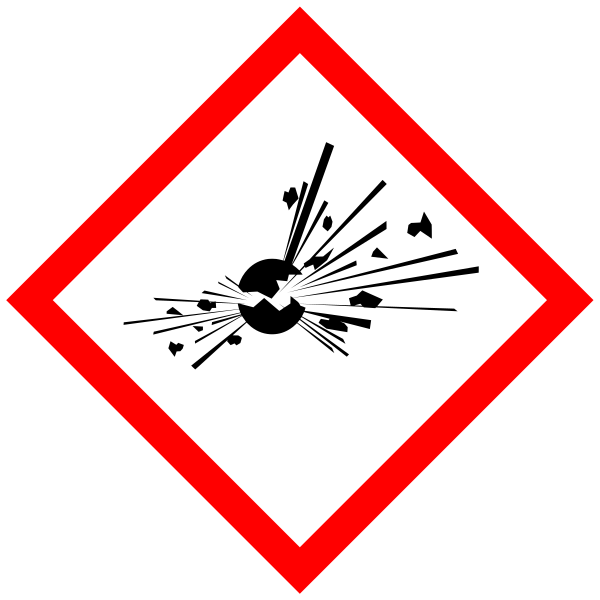
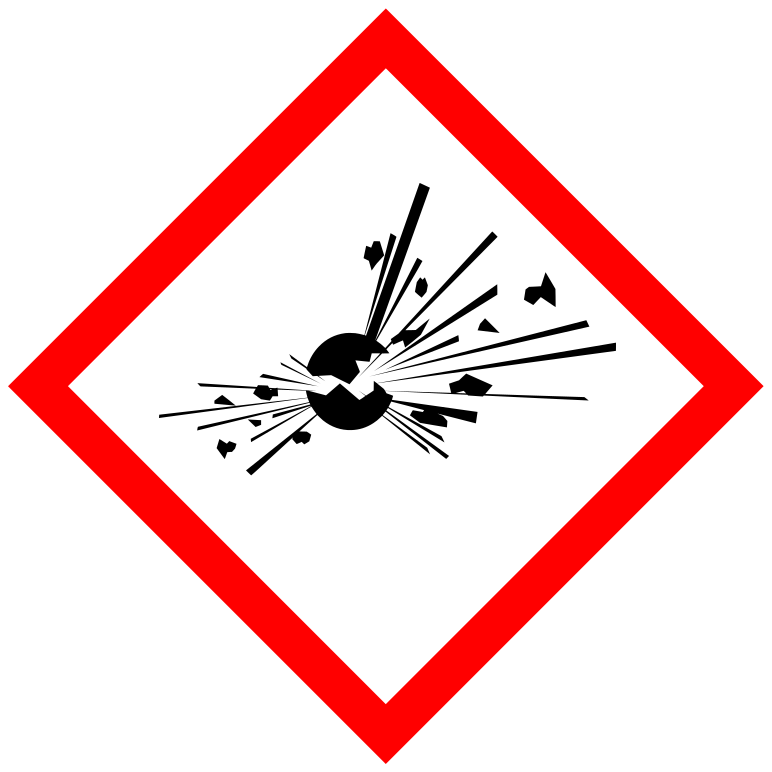
| GHS01 Exploding Bomb | Explosives, Self Reactives, Organic Peroxides |
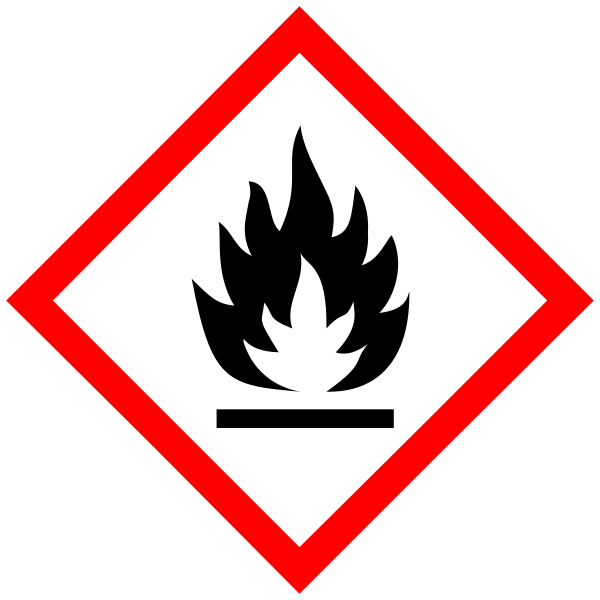
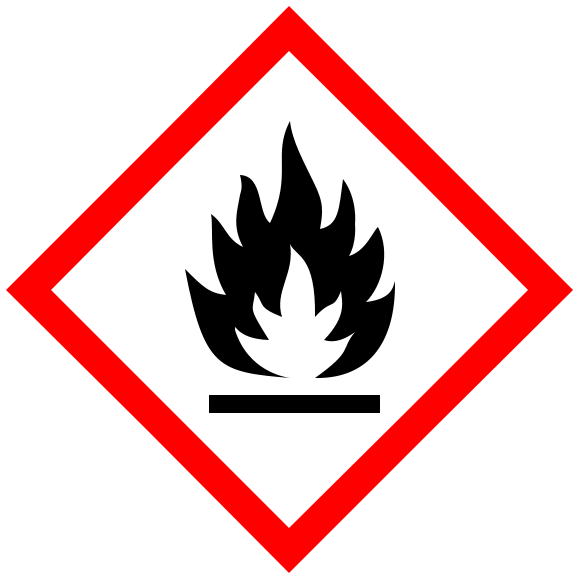
| GHS02 Flame | Flammables, Self Reactives, Pyrophorics, Self-heating, Emits Flammable Gas, Organic Peroxides, Desensitized Explosives |
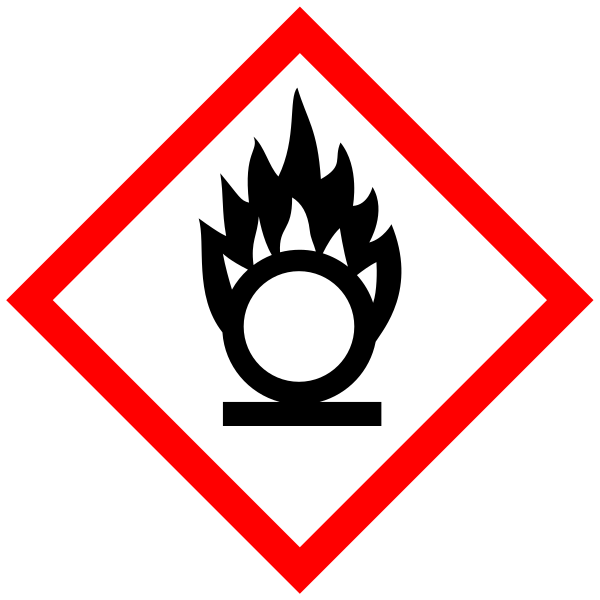
| GHS03 Flame Over Circle | Oxidizers |
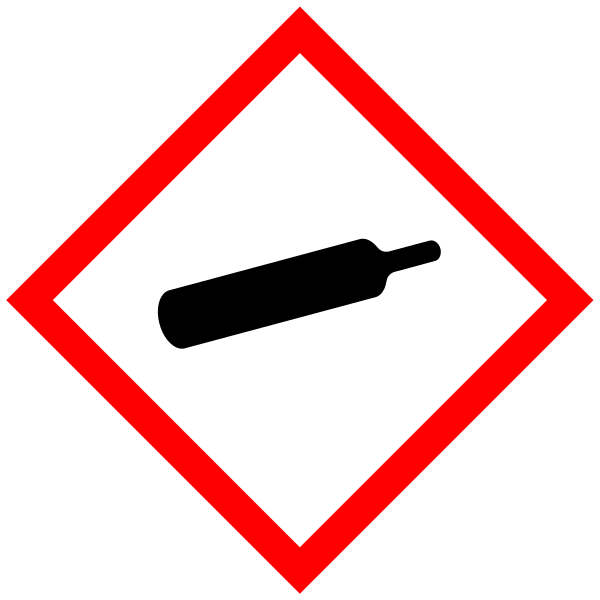
| GHS04 Gas Cylinder | Gases Under Pressure, Chemicals Under Pressure |
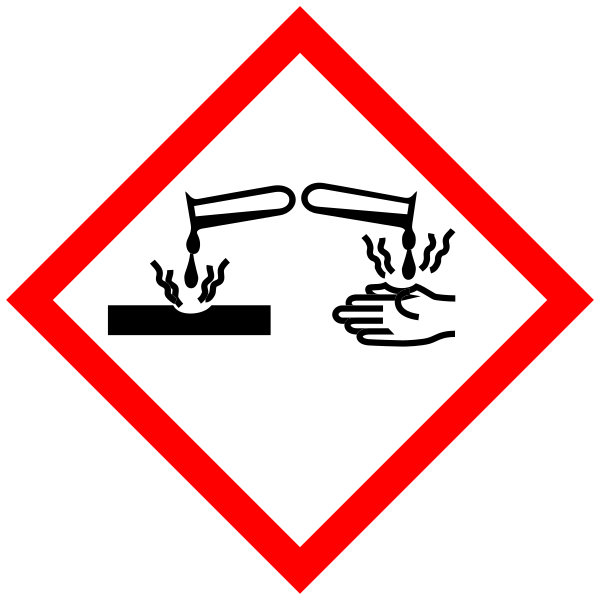
| GHS05 Corrosion | CorrosivesOSHA QuickCard: Skin Corrosion/Burns, Eye Damage, Corrosive to Metals |
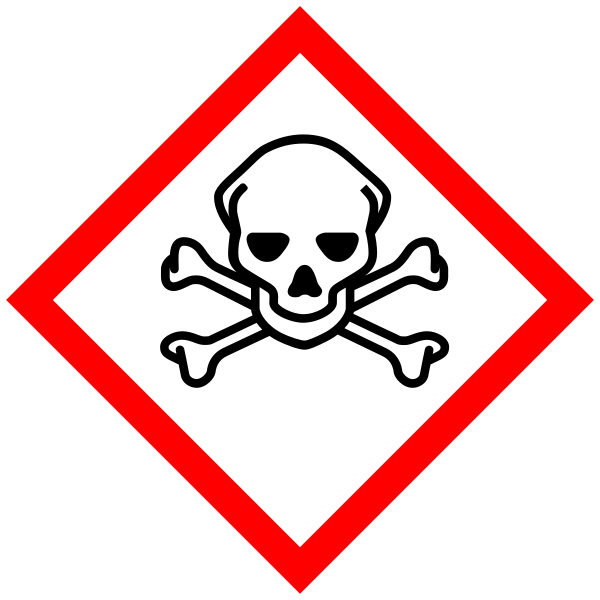
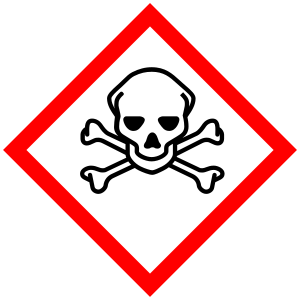
| GHS06 Skull and Crossbones | Acute Toxicity (severe)OSHA QuickCard: Acute Toxicity (fatal or toxic) |
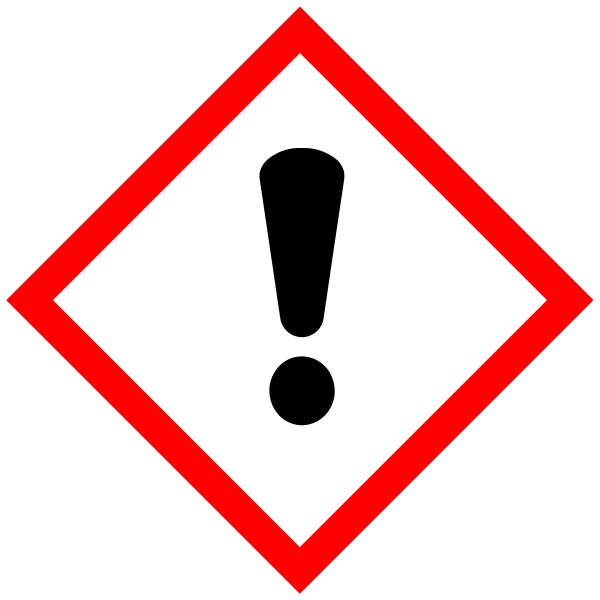
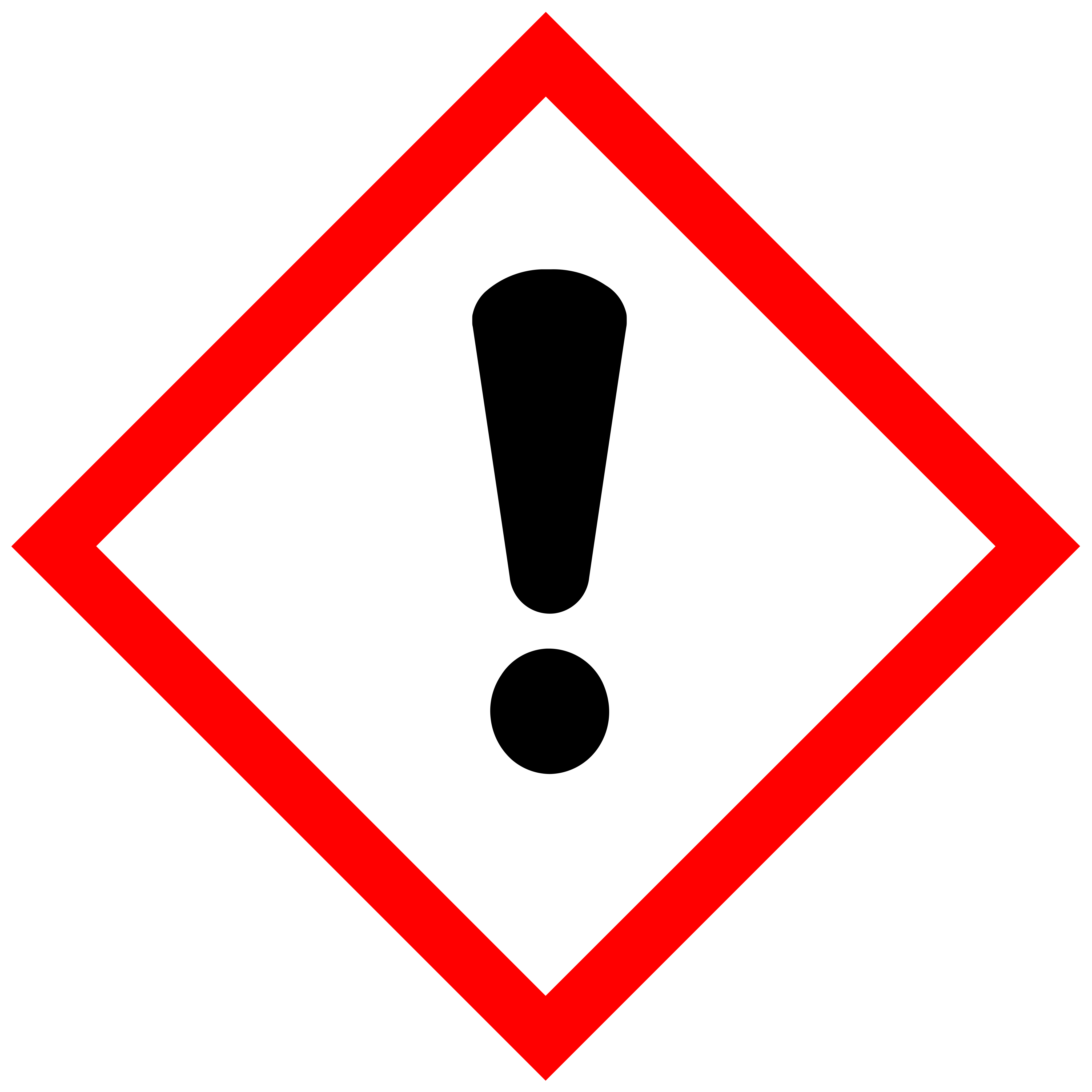
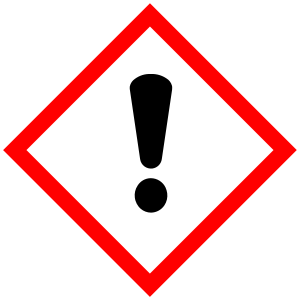
| GHS07 Exclamation Mark | Irritant, Dermal Sensitizer, Acute Toxicity (harmful), Narcotic Effects, Respiratory Tract Irritation, HNOC (optional)OSHA QuickCard: Hazardous to Ozone Layer (optional) |
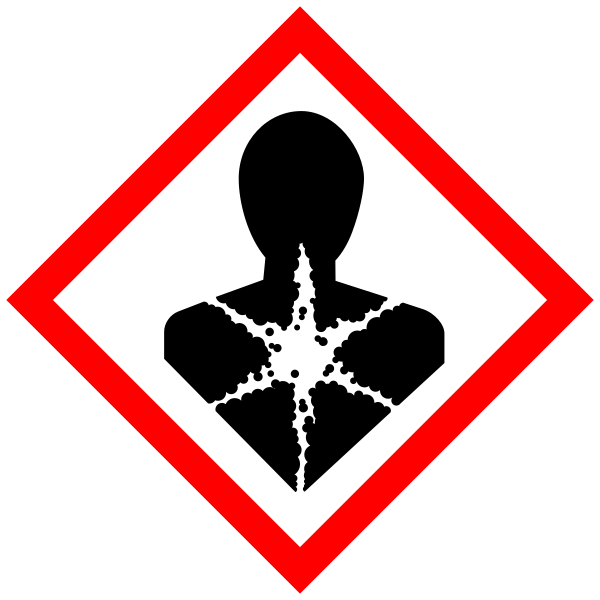
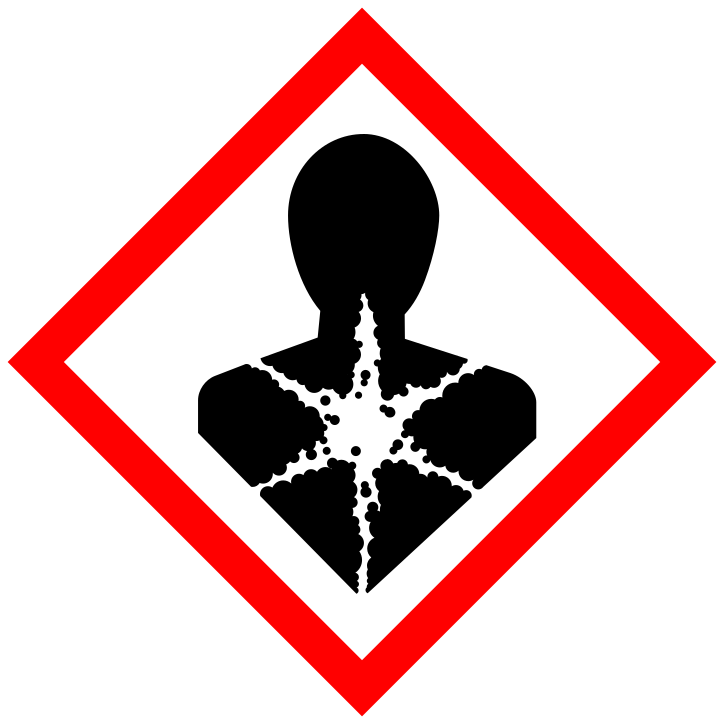
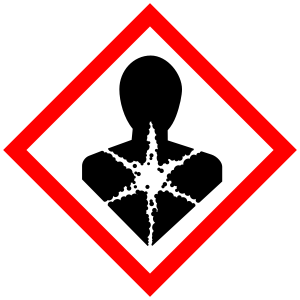
| GHS08 Health Hazard | Carcinogen, Respiratory Sensitizer, Reproductive Toxicity, Target Organ Toxicity, Mutagenicity, Aspiration Toxicity |
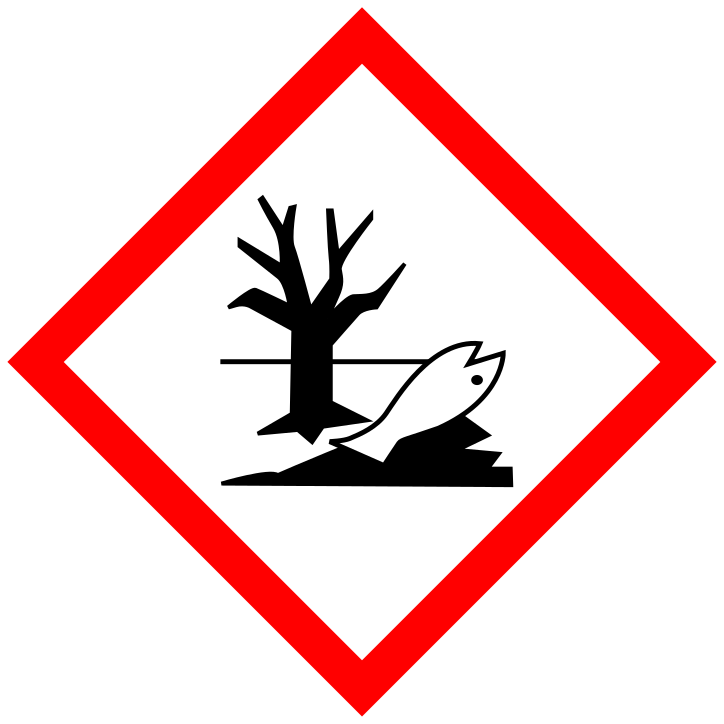
| GHS09 Environment | Not in Figure C.1OSHA QuickCard: Aquatic Toxicity (optional) |
The QuickCard lines are OSHA guidance, not the text of the standard. The hazard class and category on the safety data sheet decide the pictogram, through the tables of Appendix C.4.
What are OSHA's rules for pictograms on a label?
A pictogram is a square set at a point, with a black hazard symbol on a white background and a red frame wide enough to be clearly visible, and a red frame with no symbol is not permitted on the label (29 CFR 1910.1200 Appendix C.2.3.1). Each pictogram uses one of eight standard hazard symbols (Appendix C.2.3.2), and it appears only once on a label (Appendix C.2.3.4).
Some pictograms take the place of the exclamation mark under OSHA's Appendix C. With the skull and crossbones, the exclamation mark does not appear for acute toxicity; with the corrosion pictogram, not for skin or eye irritation; with the health hazard pictogram for respiratory sensitization, not for skin sensitization or skin or eye irritation (Appendix C.2.1.2 to C.2.1.4). For a hazard not otherwise classified, OSHA permits the exclamation mark without requiring it, with the words “Hazard Not Otherwise Classified” or the letters “HNOC” below it (Appendix C.2.3.3).
These rules govern the label of a classified chemical. Labels on containers filled at work follow 29 CFR 1910.1200(f)(6); the secondary container label maker builds them.
Appendix C, word for word:
“C.2.3.1 Pictograms shall be in the shape of a square set at a point and shall include a black hazard symbol on a white background with a red frame sufficiently wide to be clearly visible. A square red frame set at a point without a hazard symbol is not a pictogram and is not permitted on the label. C.2.3.2 One of eight standard hazard symbols shall be used in each pictogram. The eight hazard symbols are depicted in Figure C.1.”
“C.2.1.2 If the skull and crossbones pictogram is included, the exclamation mark pictogram shall not appear where it is used for acute toxicity; C.2.1.3 If the corrosive pictogram is included, the exclamation mark pictogram shall not appear where it is used for skin or eye irritation; C.2.1.4 If the health hazard pictogram is included for respiratory sensitization, the exclamation mark pictogram shall not appear where it is used for skin sensitization or for skin or eye irritation.”
“C.2.3.3 The exclamation mark pictogram is permitted (but not required) for HNOCs as long as the words "Hazard Not Otherwise Classified" or the letters "HNOC" appear below the pictogram.”
“C.2.3.4 Pictograms may only appear once on a label. If multiple hazards require the use of the same pictogram, it may not appear a second time on the label.”
How often does each pictogram appear on U.S. labels?
Applied to Japan's official GHS classifications of the 2,538 chemicals active in U.S. commerce, OSHA's Appendix C would print these pictograms. The count comes from the GHS hazard statement index; it describes classifications, not the labels of particular products.
| Pictogram | Chemicals | Share |
|---|---|---|
| GHS08 Health Hazard | 1,669 | 65.8% |
| GHS07 Exclamation Mark | 1,511 | 59.5% |
| GHS06 Skull and Crossbones | 657 | 25.9% |
| GHS02 Flame | 598 | 23.6% |
| GHS05 Corrosion | 550 | 21.7% |
| GHS04 Gas Cylinder | 111 | 4.4% |
| GHS03 Flame Over Circle | 67 | 2.6% |
| GHS01 Exploding Bomb | 37 | 1.5% |
The environment pictogram is left out: OSHA's standard does not use it. 762 of these chemicals would carry it only if the supplier chose to print it.
What are the pictograms called in Spanish?
| Code | English (OSHA) | Spanish (OSHA QuickCard) |
|---|---|---|
| GHS01 | Exploding Bomb | Bomba explotando |
| GHS02 | Flame | Llama |
| GHS03 | Flame Over Circle | Llama sobre círculo |
| GHS04 | Gas Cylinder | Botella de gas |
| GHS05 | Corrosion | Corrosión |
| GHS06 | Skull and Crossbones | Calavera y tibias cruzadas |
| GHS07 | Exclamation Mark | Signo de exclamación |
| GHS08 | Health Hazard | Peligro para la salud |
| GHS09 | Environment | Medio ambiente |
Can I use these pictogram files?
Yes. Free to use, no attribution needed. A link back is appreciated. The hazard symbols are those of Appendix C to 29 CFR 1910.1200, a federal regulation, and the SVG files are the Wikimedia Commons versions marked public domain. The PNGs were made from those SVGs.
<a href="https://hazcomfast.com/ghs-pictograms">Free GHS pictograms (SVG, PNG, PDF) from HazComFast</a>More free tools to link to: link to our tools.