Tag
Silica
4 OSHA and HazCom articles tagged "Silica" — practical, CFR-cited guidance verified against primary sources.
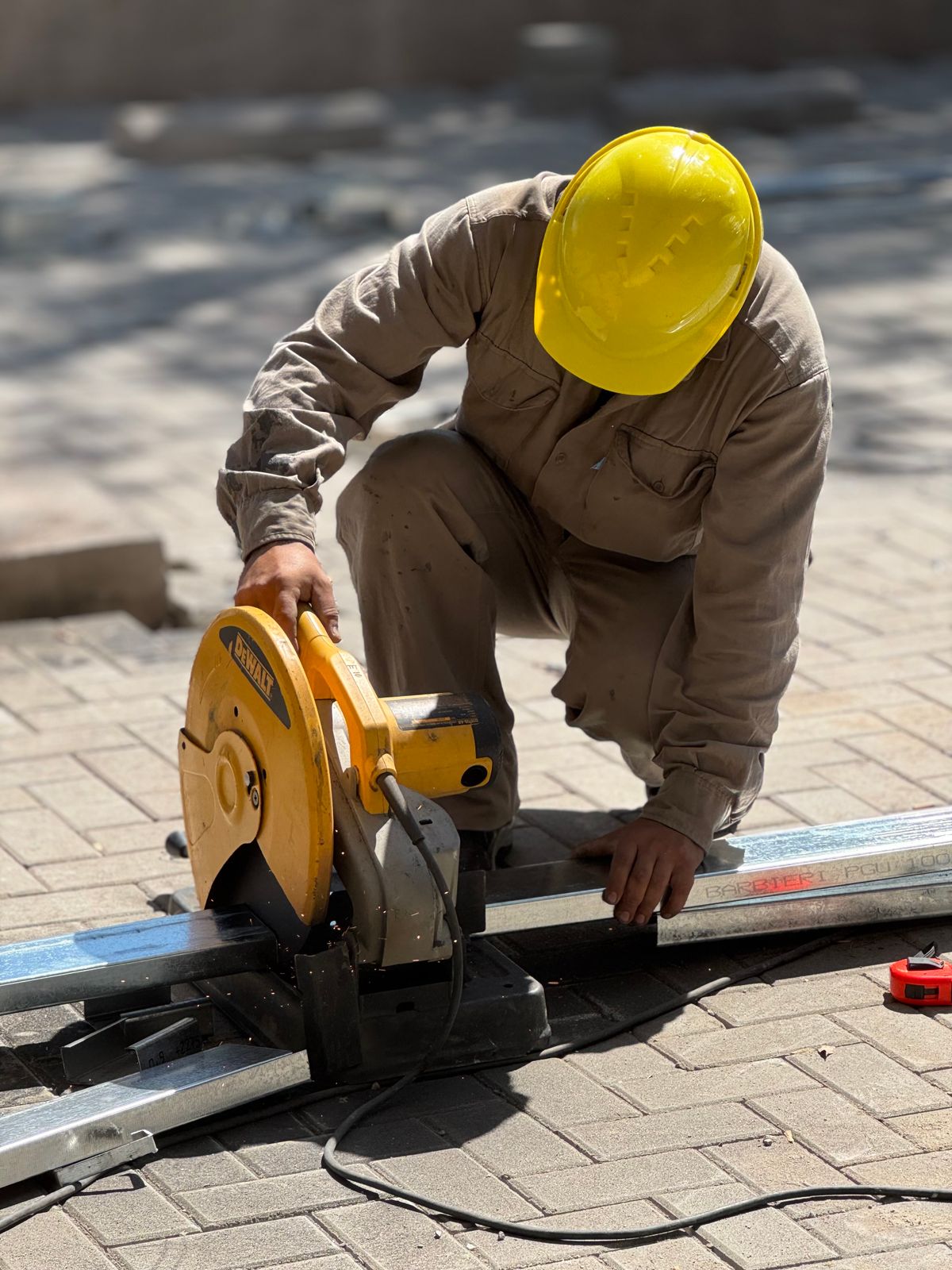
Respirable crystalline silica (29 CFR 1926.1153) limits construction exposure to a 50 µg/m³ PEL and drives a National Emphasis Program of targeted inspections on cutting, grinding, drilling, and demolition. These guides cover Table 1 engineering controls, the written exposure control plan, medical surveillance, and the competent-person requirement.

The Silicosis Comeback: Engineered-Stone Workers and the Respirator Program That Should Have Stopped It
Silicosis was supposed to be a disease of the past. Instead it came back — fast and fatal — among young men cutting engineered-stone countertops. California alone has confirmed 219 cases, at least 14 deaths, and 26 lung transplants. This is the data, the dust, and the OSHA respirator program that is the last line of defense when the controls upstream fail.
OSHA Crystalline Silica Medical Surveillance: The 30-Day Respirator Trigger
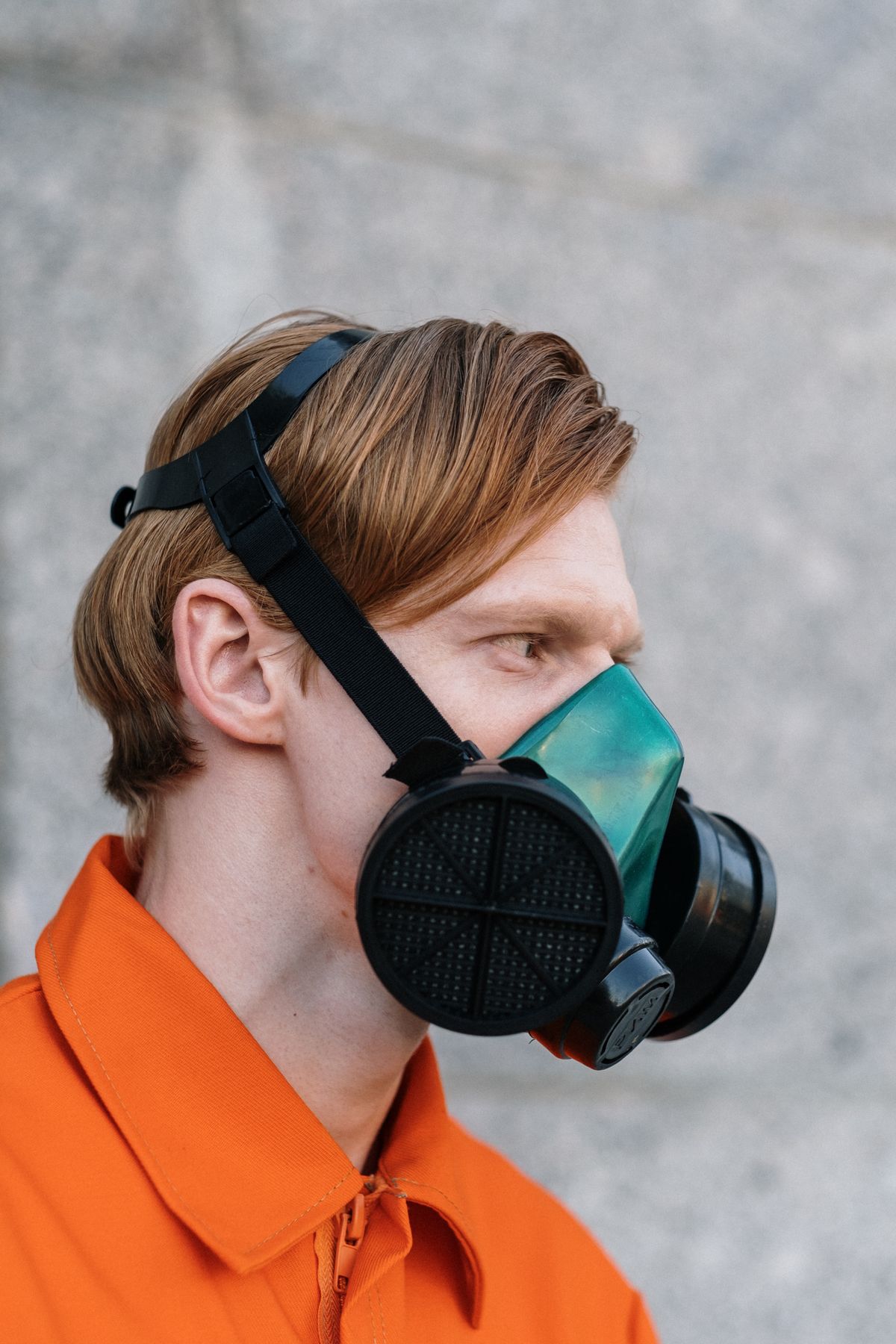
In construction, OSHA silica medical surveillance is triggered by required respirator use for 30 or more days per year under 1926.1153(h) — not by the PEL alone. This guide explains how it works.
OSHA Silica Compliance for Construction: The Complete Guide
OSHA estimates its silica rule will save 600+ lives and prevent 900+ silicosis cases a year. This guide covers Table 1 controls, exposure monitoring, medical surveillance, and the written exposure control plan every contractor needs in 2026.
OSHA Silica Table 1: Complete Task-by-Task Compliance Guide for Construction
Respirable crystalline silica kills construction workers. OSHA's Table 1 specifies control methods for 18 common tasks. Every entry with its respirator cells, plus the written plan, medical surveillance, and training the standard requires.