Tag
Chemical Inventory
6 OSHA and HazCom articles tagged "Chemical Inventory" — practical, CFR-cited guidance you can check at the source.
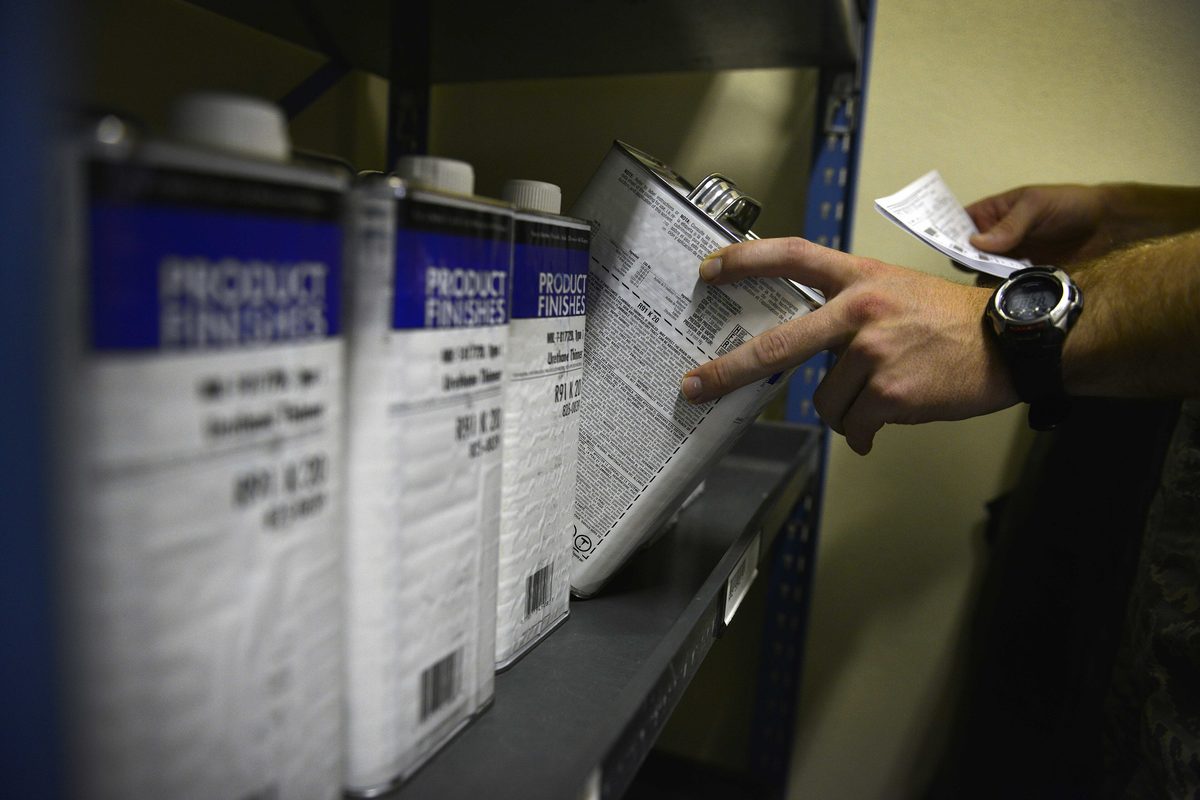
How do you calculate the average daily amount for EPCRA Tier II?
To get the EPCRA Tier II average daily amount, add up the amount of the chemical on site for each day it was there during the calendar year, divide by the number of those days, and report the range code from 40 CFR 370.43(a). That method comes from EPA's Tier II instructions. The rule itself, 40 CFR 370.42(s)(7), only asks for an estimate in ranges, and no federal text says which amount counts for one day.
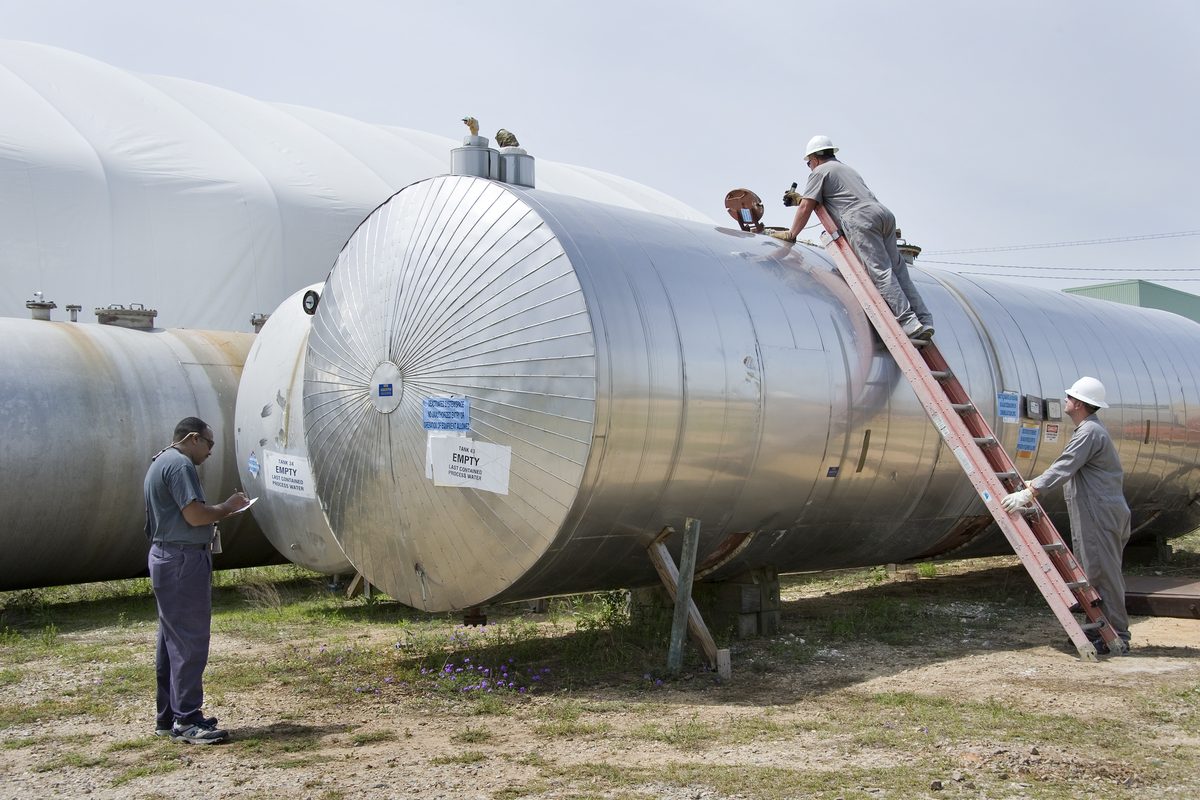
How do you convert gallons to pounds for Tier II?
Tier II thresholds and range codes are in pounds, so a product kept in gallons is multiplied by its density. Note 1 to 40 CFR 370.43(a) says to “multiply by an appropriate density factor.” The EPA’s May 2026 instructions write pounds = density (lbs/gal) × gallons, with density = specific gravity × 8.34, and an EPA FAQ lets you estimate a liquid at the density of water when its SDS lists none, for threshold determinations.

How Do I Import a Chemical Inventory From Excel?
The spreadsheet has 140 rows, three names for the same paint and a hazard column nobody agrees on. How to move it so every product still leads to the right SDS, what OSHA requires of the list, and what to check after the import.
Can You Build a Chemical Inventory From Scanned SDS PDFs?
Yes. The binder of photocopied SDSs can become a searchable inventory, as long as each record is checked against the page it came from. What to check in a scanned sheet, and how HazComFast reads and reviews them.
How Accurate Is AI at Reading Safety Data Sheets?
No single accuracy rate means much on its own. What matters is which fields were checked, against what, and whether a person confirmed the ones your crew relies on. What to ask, what to check first, and how HazComFast does it.
Ultimate Chemical Inventory: OSHA & Tier II Template
Build your 2026 Tier II report from one chemical inventory template that covers OSHA HazCom and EPA EPCRA. Download the field list.