Tag
Data & Research
6 OSHA and HazCom articles tagged "Data & Research" — practical, CFR-cited guidance verified against primary sources.

The Trench Geometry Problem: Why OSHA's Slope Table Rules Sloping Out of Most Jobs
Sloping is the protective system everyone pictures first. Run the arithmetic of OSHA's Table B-1 and it disappears from most real jobsites by about six feet of depth — here is the math, and what it means for how you plan a dig.

The Struck-By Paradox: Construction's #2 Killer vs. Where OSHA Actually Cites
Struck-by is the second-leading cause of construction death, yet the equipment behind it — forklifts, vehicles, cranes — is nowhere in OSHA's top-cited construction standards. An original analysis of the FY2025 citation data against the fatality record.

The Silicosis Comeback: Engineered-Stone Workers and the Respirator Program That Should Have Stopped It
Silicosis was supposed to be a disease of the past. Instead it came back — fast and fatal — among young men cutting engineered-stone countertops. California alone has confirmed 219 cases, at least 14 deaths, and 26 lung transplants. This is the data, the dust, and the OSHA respirator program that is the last line of defense when the controls upstream fail.
Trained Too Late: The Data on New-Worker Injuries and OSHA's Only Top-10 Training Standard
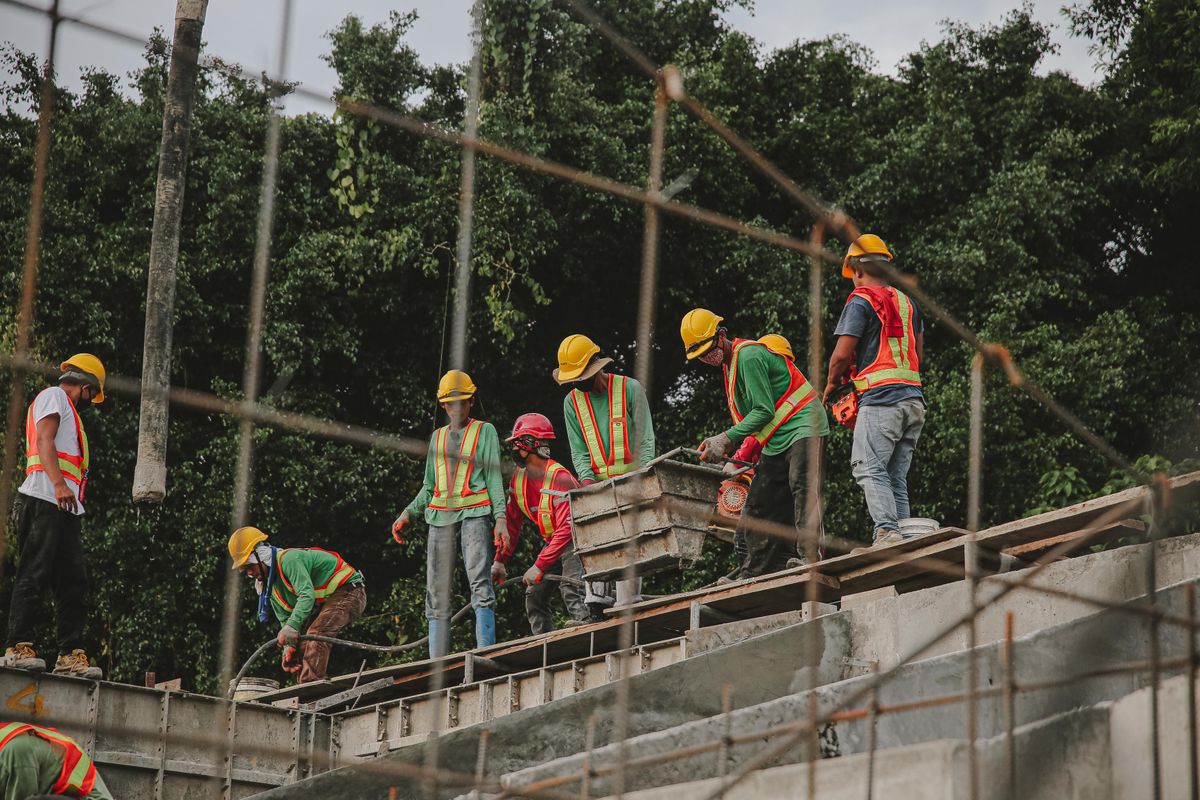
The most dangerous stretch of a job is often the first few months. In the US, workers with a year or less on the job are about a quarter of the workforce but a third of the injuries that cost days away from work — and the one standard in OSHA's Top 10 whose entire subject is training gets cited thousands of times a year. This is the data on the training gap, and what OSHA actually requires to close it.

Who Dies in Confined Spaces: 1,030 Deaths, and Why So Many Are Rescuers
The Bureau of Labor Statistics counted 1,030 confined-space worker deaths from 2011 to 2018, and NIOSH's landmark finding is that more than 60% of confined-space fatalities are would-be rescuers. This study lays out the data — the causes, the gases, the rescuer multiplier — and the OSHA Subpart AA rules written to stop each one.
Why Hot Work Keeps Killing: 15 CSB Investigations and the OSHA Rules Behind Them
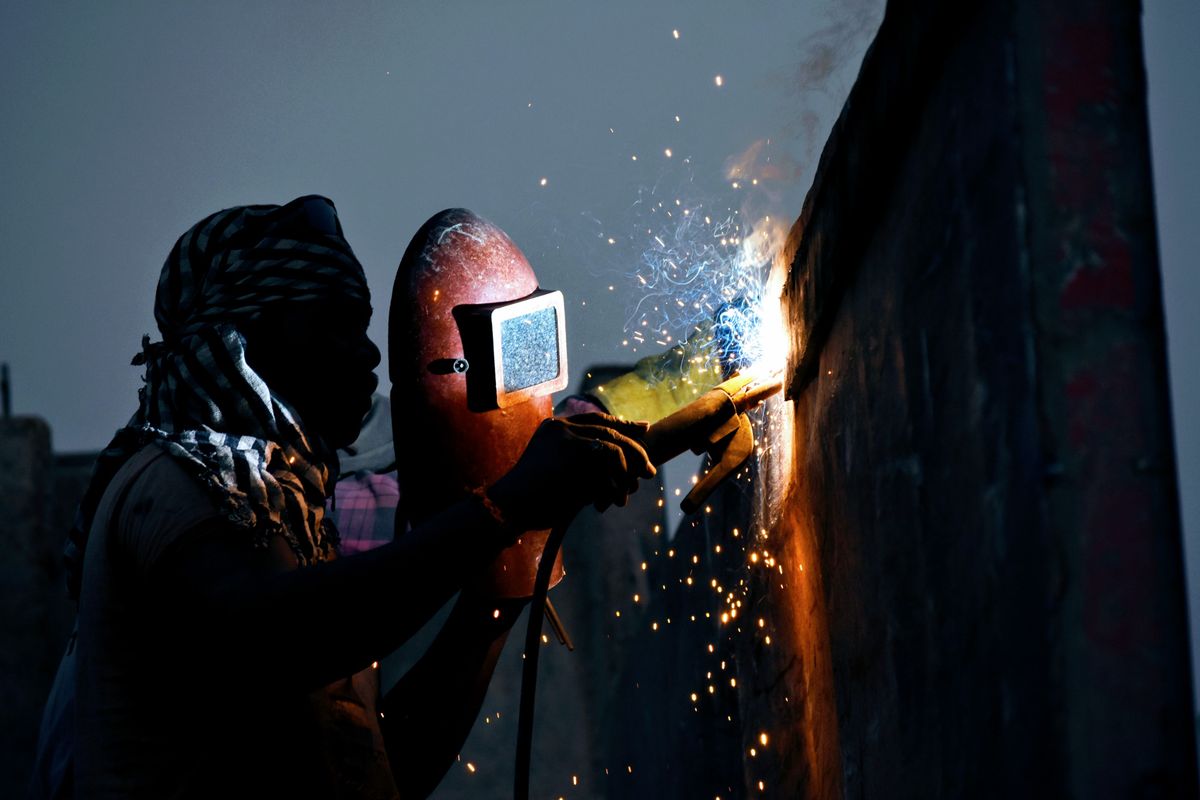
The U.S. Chemical Safety Board has investigated 15 fatal hot-work incidents since 2001, and they share one pattern: a flammable atmosphere in or around a tank, and no gas monitoring before the torch. This study lays out the CSB record, the seven lessons it drew, and the exact OSHA standards that cite what the CSB investigates.