Tag
Tier II
6 OSHA and HazCom articles tagged "Tier II" — practical, CFR-cited guidance you can check at the source.

Forklift Batteries: Chemical Inventory, Tier II, and End-of-Life Records
Track each forklift battery from receipt through disposition without confusing battery weight, chemical quantity, waste status, or shipping eligibility.
TRI Form R vs. EPCRA Tier II: Which Chemical Report Does Your Facility Need?
Separate TRI Form R reporting from EPCRA Tier II inventory duties using facility eligibility, chemical thresholds, quantities and reporting deadlines.
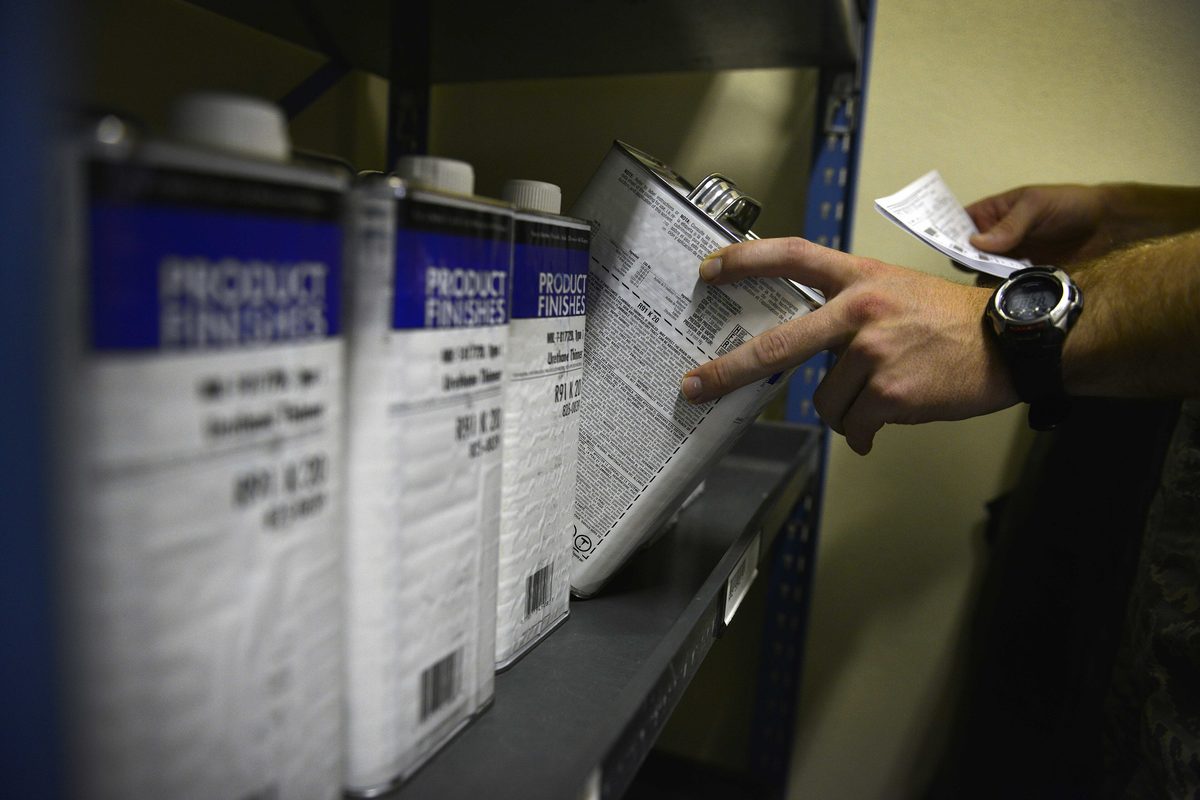
How do you calculate the average daily amount for EPCRA Tier II?
To get the EPCRA Tier II average daily amount, add up the amount of the chemical on site for each day it was there during the calendar year, divide by the number of those days, and report the range code from 40 CFR 370.43(a). That method comes from EPA's Tier II instructions. The rule itself, 40 CFR 370.42(s)(7), only asks for an estimate in ranges, and no federal text says which amount counts for one day.
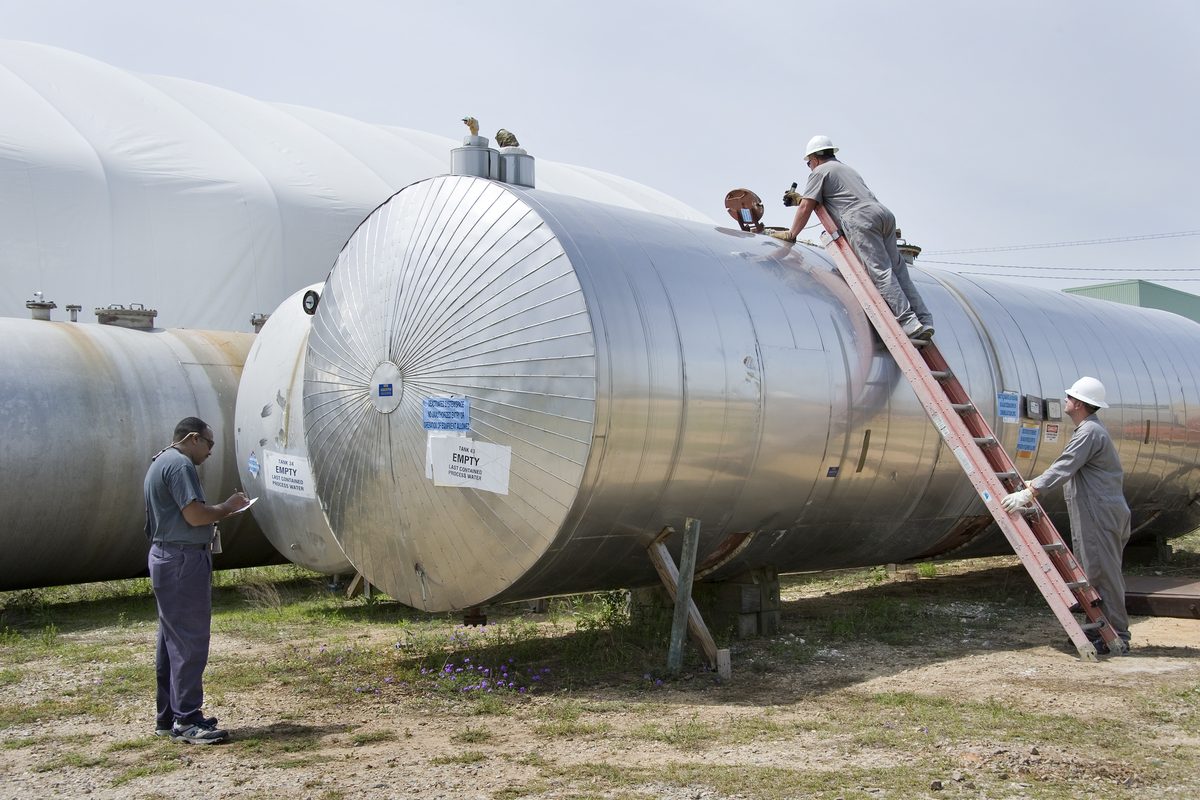
How do you convert gallons to pounds for Tier II?
Tier II thresholds and range codes are in pounds, so a product kept in gallons is multiplied by its density. Note 1 to 40 CFR 370.43(a) says to “multiply by an appropriate density factor.” The EPA’s May 2026 instructions write pounds = density (lbs/gal) × gallons, with density = specific gravity × 8.34, and an EPA FAQ lets you estimate a liquid at the density of water when its SDS lists none, for threshold determinations.

EPCRA Tier II Reporting for Construction: Do You Need to File?
If your jobsite holds 10,000 lb of a hazardous chemical, or the lower of 500 lb or the TPQ of an Extremely Hazardous Substance, at any one time, EPCRA section 312 requires an inventory report by March 1. The thresholds, the aggregation trap, Tier I vs Tier II, the exemptions and the per-day penalty.

Ultimate Chemical Inventory: OSHA & Tier II Template
Build your 2026 Tier II report from one chemical inventory template that covers OSHA HazCom and EPA EPCRA. Download the field list.