Tag
Respiratory Protection
8 OSHA and HazCom articles tagged "Respiratory Protection" — practical, CFR-cited guidance verified against primary sources.
Respiratory Protection (29 CFR 1910.134) is a perennial top-cited standard. Where engineering controls can't keep exposures below the limit, employers must run a written program: hazard-based respirator selection, medical evaluation before fit testing, annual fit testing, and training. These guides cover the program, fit-test methods, and medical evaluation.

HazCom on the Jobsite: What OSHA Actually Cited in FY2025 Construction Inspections
On a construction site, OSHA writes the general industry number: 698 HazCom citations under 1910.1200 in FY2025 against 14 under 1926.59, and 356 respirator citations under 1910.134 against none under 1926.103. The paragraph cited most wasn't a missing label. It was the written program.

The Silicosis Comeback: Engineered-Stone Workers and the Respirator Program That Should Have Stopped It
Silicosis was supposed to be a disease of the past. Instead it came back — fast and fatal — among young men cutting engineered-stone countertops. California alone has confirmed 219 cases, at least 14 deaths, and 26 lung transplants. This is the data, the dust, and the OSHA respirator program that is the last line of defense when the controls upstream fail.

Facial Hair and Respirators: OSHA's Beard Rule and the PAPR Fix
OSHA bars facial hair that crosses a tight-fitting respirator's seal (1910.134(g)(1)(i)). This guide covers what is actually allowed, the clean-shaven fit-test rule, and the loose-fitting PAPR fix for beards you can't shave.
N95 vs P100: The NIOSH Respirator Filter Classes, Decoded
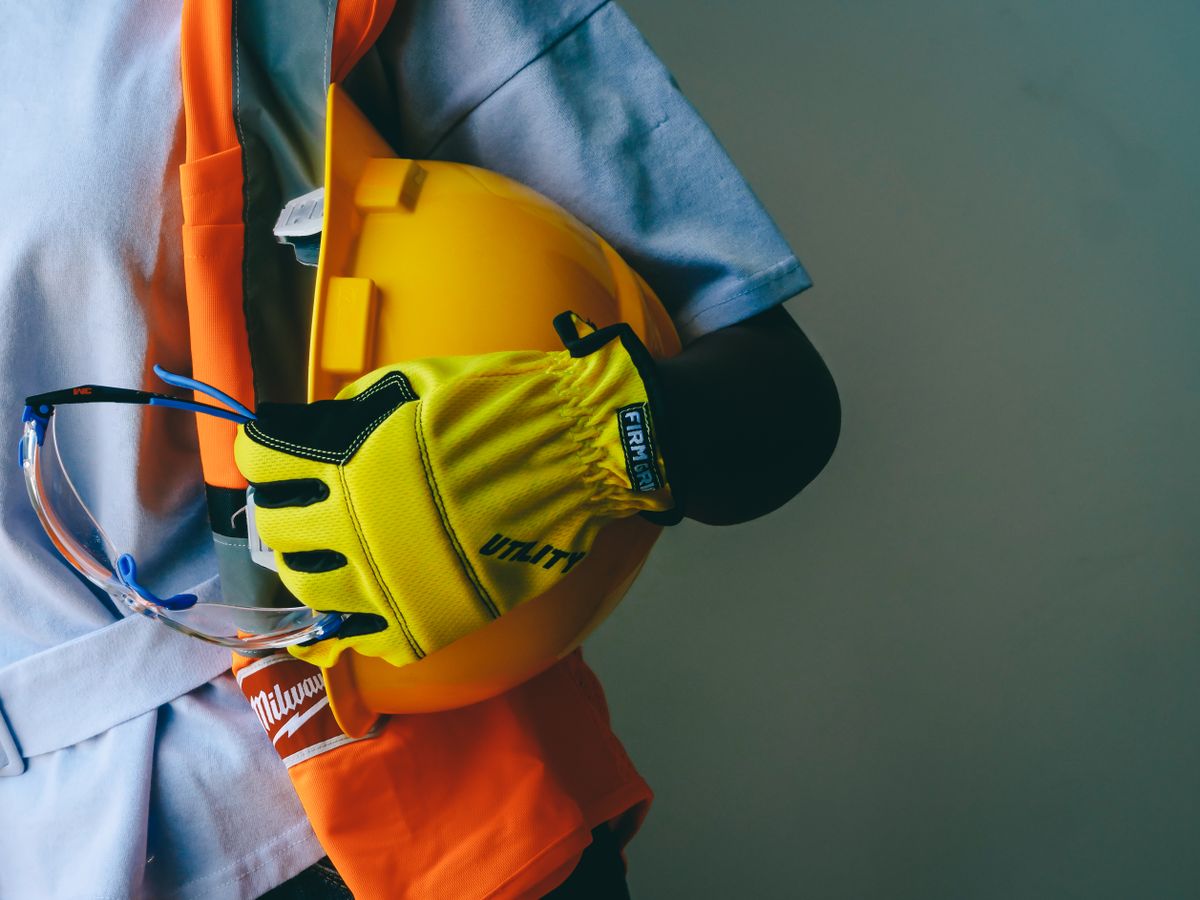
The letter is oil resistance, the number is efficiency. This guide decodes the nine NIOSH filter classes (42 CFR 84), N95 vs P100 in practice, and why the filter doesn't change your assigned protection factor.
Asbestos in Construction: OSHA 1926.1101 PEL, Classes I-IV Work & Required Controls
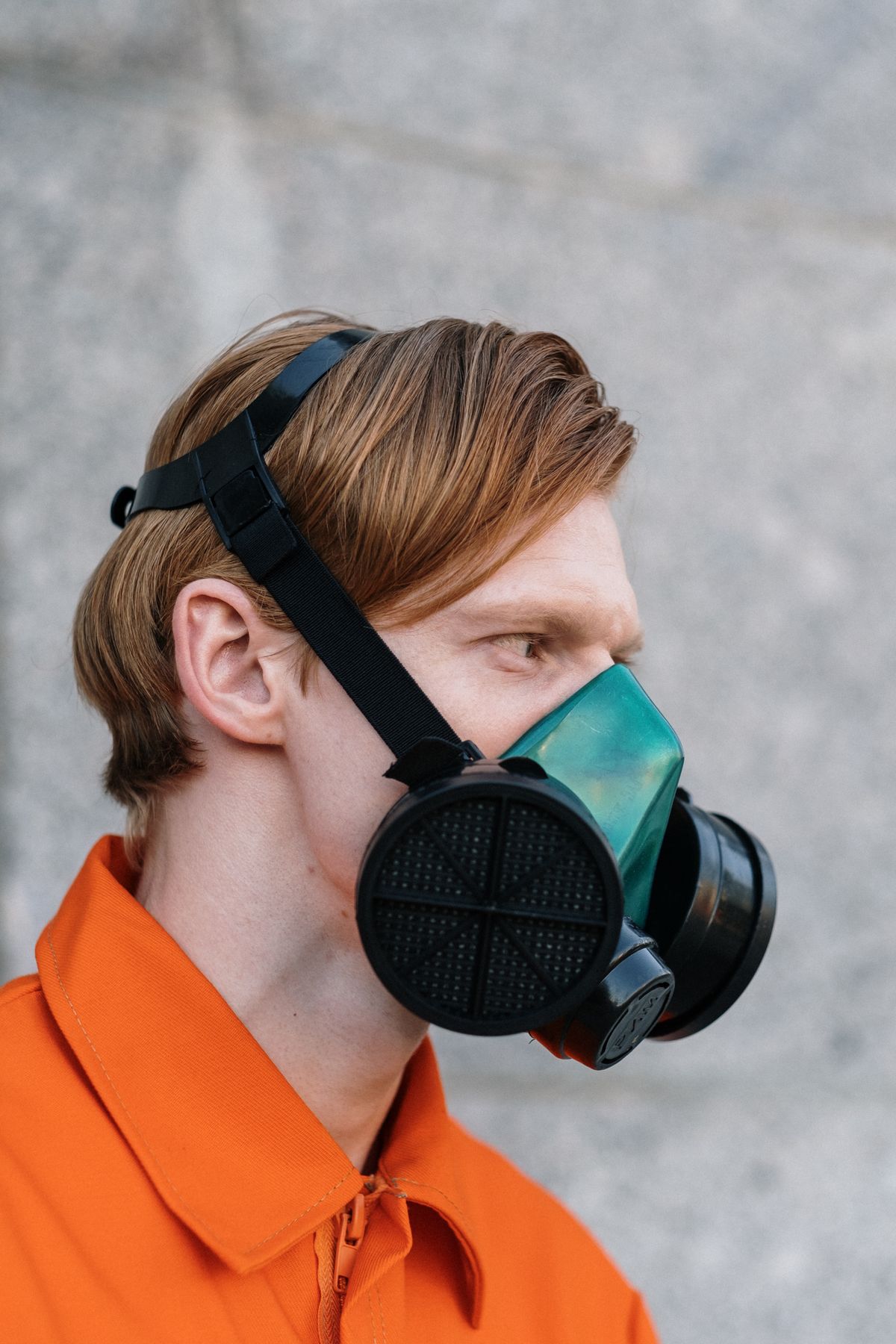
OSHA's construction asbestos standard 29 CFR 1926.1101 sets a 0.1 f/cc PEL, a 1.0 f/cc excursion limit, and four classes of asbestos work, each with its own engineering controls, regulated-area rules, and worker protections. This is the full breakdown.
OSHA Respirator Fit Testing in Construction: Qualitative vs Quantitative & Who Pays
OSHA requires fit testing before a tight-fitting respirator is used and at least annually. This guide covers qualitative vs quantitative, when each applies, and who pays.
OSHA Respiratory Protection Program: Complete Compliance Guide
Everything you need to know about OSHA's Respiratory Protection Standard (29 CFR 1910.134). From fit testing to medical evaluations, written programs, and SCBA requirements — a complete employer guide for 2026.
OSHA Silica Table 1: Complete Task-by-Task Compliance Guide for Construction
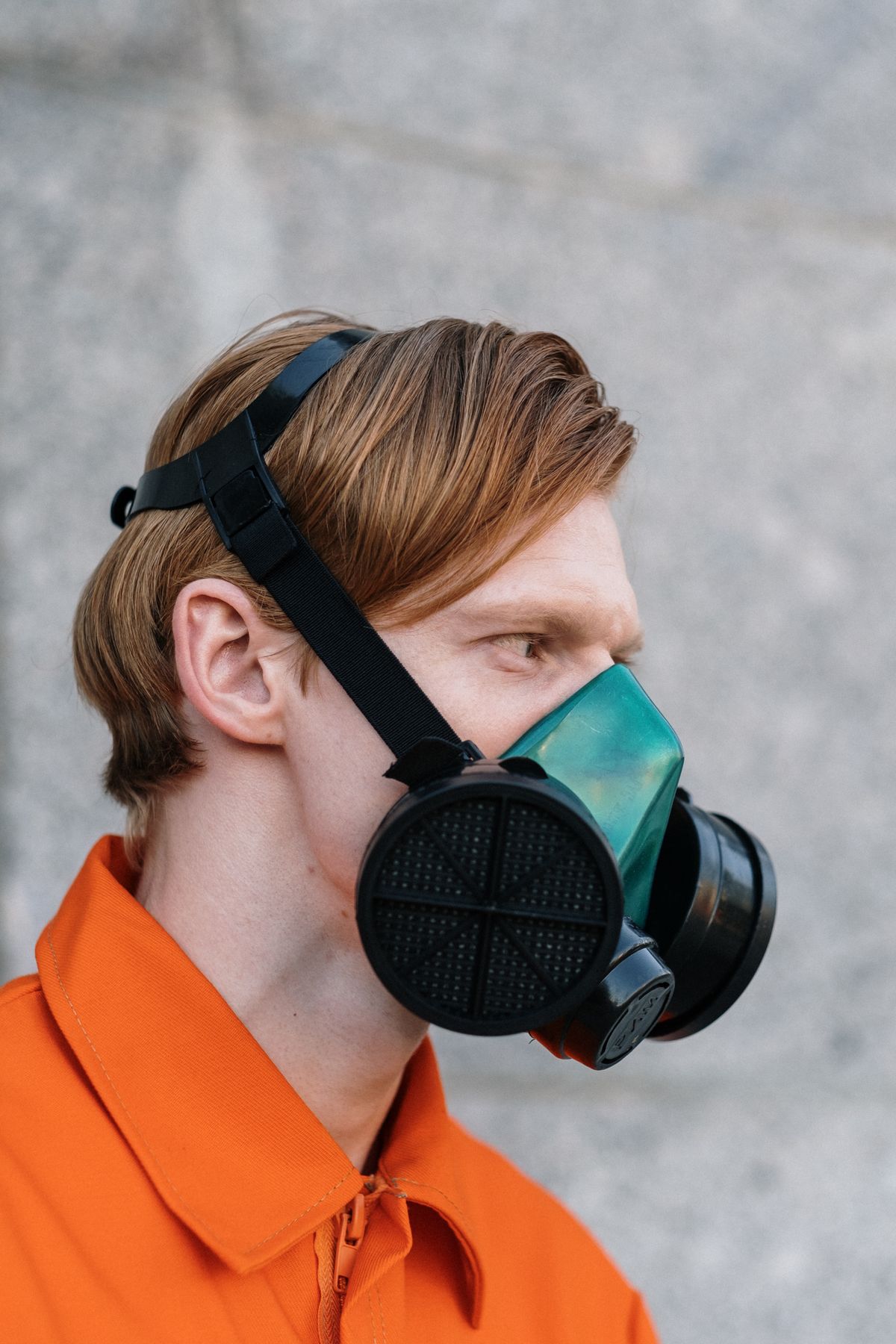
Respirable crystalline silica kills construction workers. OSHA's Table 1 specifies control methods for 18 common tasks. Every entry with its respirator cells, plus the written plan, medical surveillance, and training the standard requires.