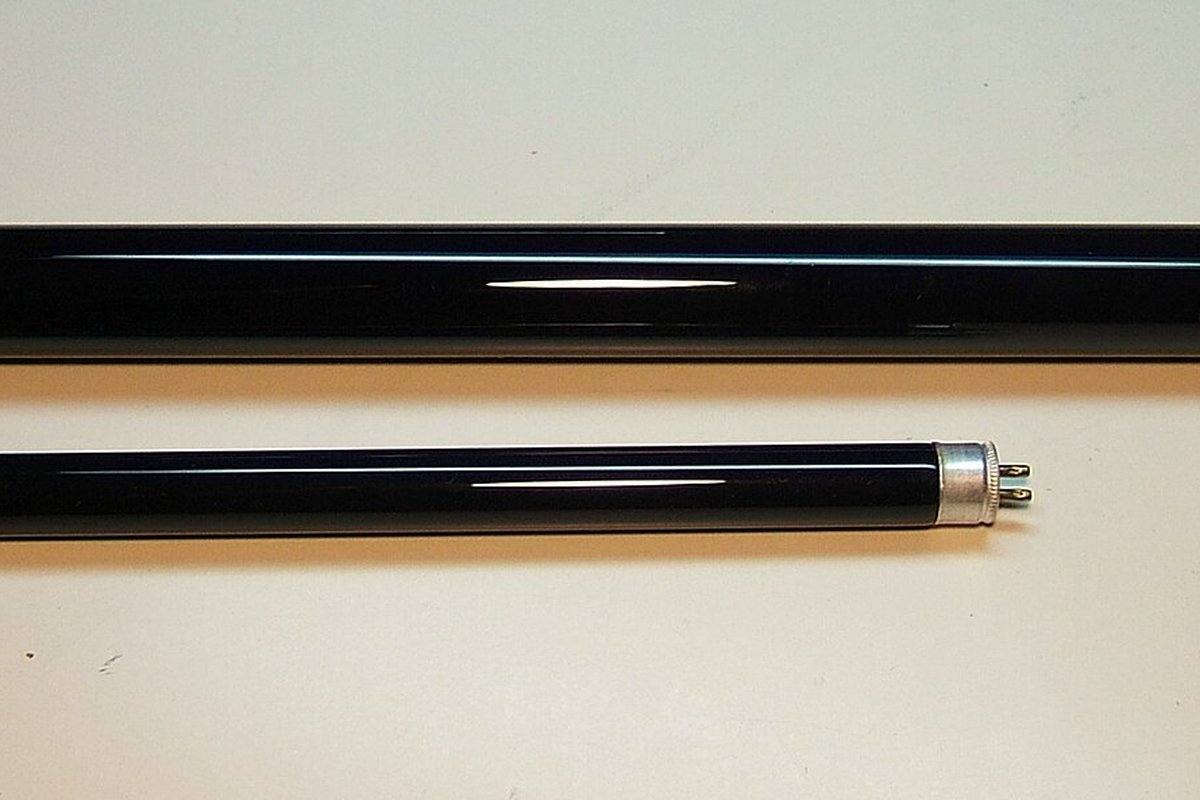
An electrical contractor removes 200 fluorescent tubes during a warehouse retrofit. A maintenance crew collects spent lithium-ion tool batteries. A painting subcontractor has several hazardous aerosol cans with blocked nozzles and leftover product. All three waste streams may qualify as universal waste. But their classification, storage requirements, and shipping arrangements depend on the material, its condition, and the state where it is managed.
Federal 40 CFR Part 273 establishes streamlined management standards for certain commonly generated hazardous wastes. Qualifying universal waste can generally accumulate for up to one year, and ordinary universal-waste shipments do not call for a conventional federal hazardous-waste manifest. These provisions simplify certain RCRA obligations. They do not allow businesses to freely treat, dilute, crush, shred, puncture, or dispose of universal waste. States may impose additional requirements. Washington has a separate lamp threshold and indoor-storage requirements. Texas recognizes qualifying hazardous paint-related wastes. California imposes specific requirements for aerosol cans, employee training, shipment records, and photovoltaic modules.
Before selecting a universal-waste management pathway, confirm that the material qualifies and that the applicable state recognizes the category. This guide explains the federal requirements, differences in selected state programs, and practical procedures for construction contractors, maintenance companies, warehouses, and industrial facilities. For ordinary hazardous-waste generator categories, manifests, and accumulation requirements, see HazComFast's Hazardous Waste Disposal Requirements: OSHA & EPA Compliance Guide.
What is universal waste under RCRA?
Universal waste is a defined category of hazardous waste managed under alternative standards established through the Resource Conservation and Recovery Act (RCRA). Federal Part 273 covers five categories.
| Federal category | Examples | Applicable regulation |
|---|---|---|
| Batteries | Qualifying hazardous lithium-ion, nickel-cadmium, and lead-acid batteries | 40 CFR 40 CFR 273.2 |
| Pesticides | Certain recalled pesticides and qualifying unused pesticides collected through specified programs | 40 CFR 273.3 |
| Mercury-containing equipment | Mercury thermostats, switches, relays, and instruments | 40 CFR 273.4 |
| Lamps | Hazardous fluorescent, mercury-vapor, and high-intensity discharge lamps | 40 CFR 273.5 |
| Aerosol cans | Qualifying hazardous discarded aerosol coatings, adhesives, lubricants, and cleaners | 40 CFR 273.6 |
Not every discarded battery, lamp, or aerosol can qualifies.
Three questions determine eligibility
- Has the material become waste? Used products generally become waste when discarded. Unused products may become waste when the holder decides to discard them. Some categories, including recalled pesticides, have additional waste-generation provisions.
- Is it hazardous waste? Federal universal-waste eligibility generally depends on the material meeting the applicable hazardous-waste criteria. The generator needs to make an appropriate hazardous-waste determination under 40 CFR 40 CFR 262.11.
- Does the applicable jurisdiction recognize the category? Authorized states may have different adoption, exclusions, or additional waste categories. Federal eligibility does not establish that every state permits the same management approach.
Is recycling compulsory?
Federal Part 273 encourages collection and recycling but does not generally call for all universal wastes to be recycled. Eligible universal waste may be sent to an appropriate destination facility for recycling, treatment, or disposal. However, universal-waste handlers generally cannot dispose of the material themselves. A specific condition applies when handlers puncture aerosol cans under the federal Part 273 provisions: the emptied, punctured cans need to be recycled.
Regulatory references: 40 CFR Part 273, 40 CFR 273.1–273.9, 273.11, 273.31, and 273.60.
Universal-waste classification decision table
Use this table before accepting discarded materials into a universal-waste accumulation area.
| Material | Potential federal pathway | Important limitation |
|---|---|---|
| Hazardous lithium-ion tool battery | Universal-waste batteries | Cell condition, state rules, transportation restrictions |
| Damaged battery pack with intact individual cells | May remain universal waste | Prevent releases; assess damage |
| Hazardous battery with an accidentally breached cell | Ordinary universal-waste handling is not available under EPA's interpretation | Manage under applicable conventional hazardous-waste requirements |
| Spent lead-acid battery sent for reclamation | Part 273 or applicable Part 266 alternative | Identify the actual pathway |
| Nonhazardous alkaline battery | Not automatically federally regulated as universal waste | Waste determination and state law |
| Hazardous fluorescent tube | Universal-waste lamps | Closed protective packaging |
| Nonhazardous LED lamp | Not automatically eligible | Hazardous characteristics and state requirements |
| Hazardous mercury thermostat | Mercury-containing equipment | Prevent mercury releases |
| Eligible recalled pesticide | Universal-waste pesticides | Need to meet 40 CFR 273.3 |
| Routine discarded pesticide | Not automatically eligible under pesticide category | Evaluate other hazardous-waste requirements |
| Hazardous nonempty aerosol can | Universal-waste aerosol cans | State adoption and empty-container criteria |
| Federally RCRA-empty aerosol can | Excluded from Part 273 | 40 CFR 261.7 and applicable state rules |
| Hazardous paint-related waste | No separate federal category | State-specific eligibility |
| Hazardous photovoltaic module | No standalone federal category | State-specific provisions |
| Conventional hazardous solvent waste | Generally not universal waste | Ordinary hazardous-waste generator requirements |
A recycling label or collection contractor's marketing description does not substitute for a lawful waste classification.
What universal-waste handlers cannot do
Under 40 CFR 40 CFR 273.11 and 273.31, small and large quantity universal-waste handlers generally cannot dispose of, dilute, or treat universal waste except as expressly permitted.
| Activity | Federal Part 273 position |
|---|---|
| Sort intact batteries | Conditionally permitted |
| Remove batteries from equipment | Conditionally permitted |
| Disassemble battery packs without breaching individual cells | Conditionally permitted |
| Open cells to remove electrolyte and immediately close them | Expressly permitted under specified conditions |
| Shred batteries into black mass | Not authorized as ordinary handler activity |
| Store qualifying lamps in closed protective cartons | Needed management method |
| Intentionally crush lamps as routine handler activity | No general federal authorization |
| Remove mercury-containing ampules | Conditionally permitted |
| Sort intact aerosol cans | Conditionally permitted |
| Puncture and drain qualifying aerosol cans | Conditionally permitted |
| Dispose of punctured cans after using the federal puncturing pathway | Not permitted; the emptied cans need to be recycled |
| Discharge hazardous waste liquids into drains | Not authorized |
A facility that shreds batteries for recycling is not simply an ordinary universal-waste handler. It needs to evaluate the applicable destination-facility, recycling, treatment, storage, and permitting requirements. References: 40 CFR 40 CFR 273.13; 40 CFR 40 CFR 273.33.
Small vs. large quantity universal-waste handlers
Federal handler classification depends on the quantity of universal waste accumulated at a site at one time.
| Classification | Federal threshold | Governing standards |
|---|---|---|
| Small quantity handler of universal waste (SQHUW) | Less than 5,000 kg | Part 273, Subpart B |
| Large quantity handler of universal waste (LQHUW) | 5,000 kg or more | Part 273, Subpart C |
The five federal categories are counted collectively. A site with 3,000 kg of qualifying batteries and 2,100 kg of qualifying lamps has accumulated 5,100 kg of federal universal waste. It meets the federal large-handler definition even though neither category individually reaches 5,000 kg. Once the threshold is reached, large-handler designation continues through the end of that calendar year.
EPA identification numbers
Federal small quantity handlers do not need to notify EPA solely because they handle universal waste under 40 CFR 273.12. Under 40 CFR 273.32, federal large quantity handlers generally need to complete the applicable notification and EPA identification requirements before reaching the threshold, subject to specific exceptions. States may establish additional identification requirements.
Universal-waste status is not VSQG, SQG, or LQG status
Conventional hazardous-waste generator categories depend on qualifying amounts generated during a calendar month and other criteria. Universal-waste handler categories depend on accumulated universal waste at one time. Qualifying waste managed under Part 273 generally is not counted toward ordinary hazardous-waste generator classification. A business can therefore be a small quantity universal-waste handler and separately an SQG or LQG for other hazardous waste. The federal household and very small quantity generator provisions in 40 CFR 273.8 also permit certain exempt waste streams to be voluntarily managed under Part 273. Do not assume identical exemptions in every authorized state.
Batteries: Lithium-ion, lead-acid, and damaged cells
Battery waste is common in electrical contracting, HVAC maintenance, telecommunications, warehouses, and industrial equipment servicing. The federal battery definition is based on the device's electrochemical function, rather than a particular battery size or chemistry. Federal universal-waste eligibility still depends on hazardous-waste classification and applicable exclusions.
Lithium-ion and lithium-metal batteries
EPA recognizes that many discarded lithium batteries are likely hazardous because of ignitability or reactivity.
Examples include:
-
Rechargeable power-tool batteries.
-
Portable inspection-equipment batteries.
-
Emergency-lighting batteries.
-
Batteries removed from electronic equipment.
-
Certain industrial equipment batteries.
Damaged packs versus breached cells
EPA distinguishes damage to a battery pack's exterior from damage to an individual cell casing. A damaged pack may remain universal waste when individual cell casings remain intact and the other applicable conditions are met. Hazardous waste batteries with accidentally breached individual cell casings cannot continue to be managed through the ordinary universal-waste battery pathway under EPA's interpretation. They need to be managed under the applicable conventional hazardous-waste requirements.
| Battery condition | RCRA management consideration |
|---|---|
| Intact hazardous discarded battery | May qualify under Part 273 |
| Damaged outer pack; cells intact | May remain eligible with appropriate controls |
| Swollen or defective battery | Assess cell integrity, damage, and releases |
| Individual cell casing accidentally breached | Conventional hazardous-waste requirements apply |
| Damaged, defective, or recalled lithium battery | Assess RCRA status and DOT restrictions separately |
Exception for controlled electrolyte removal
Federal 40 CFR 273.13(a)(2) and 273.33(a)(2) expressly permit certain battery-management operations while requiring individual cell casings to remain intact and closed, except that cells may be opened to remove electrolyte and needs to be immediately closed afterward. That is a narrow, controlled exception. It does not authorize uncontrolled damage, crushing, shredding, or ordinary opening of lithium cells by unqualified personnel. The handler needs to determine whether removed electrolyte and other resulting material are hazardous waste and manage them accordingly.
A regulatory permission to remove electrolyte is not a recommendation to perform that activity on lithium-ion batteries at a construction site.
Containment requirements
Universal-waste batteries showing leakage, spillage, or damage capable of causing leakage under reasonably foreseeable conditions need to be contained.
The container needs to be:
-
Closed.
-
Structurally sound.
-
Compatible with the battery contents.
-
Free from damage likely to cause releases.
EPA-recommended precautions
EPA recommends:
-
Protecting terminals against short circuits.
-
Avoiding crushing and puncturing.
-
Separating damaged or defective batteries.
-
Selecting suitable storage conditions.
-
Planning for thermal-runaway and fire emergencies.
-
Coordinating significant battery hazards with emergency responders.
These recommendations do not establish one universal federal storage temperature or separation distance. Other laws, including DOT regulations and applicable fire codes, may impose specific requirements.
Transporting damaged lithium batteries
DOT requirements need to be evaluated separately from RCRA waste classification. Under 49 CFR §173.185(f), lithium batteries that fall within its damaged, defective, or recalled classification may be transported by highway, rail, or vessel only.
The provision establishes specific packaging conditions, including:
-
Individual nonmetallic inner packaging.
-
Noncombustible, electrically nonconductive, absorbent cushioning.
-
Authorized outer packaging meeting the specified Packing Group I performance requirements.
-
Needed markings identifying damaged or defective lithium batteries.
Air transportation is prohibited for lithium batteries covered by §173.185(f). A contractor should obtain the appropriate hazardous-material transportation classification and packaging arrangements rather than improvising a shipping container. The mere fact that a battery remains eligible under RCRA's universal-waste rules does not eliminate these DOT restrictions.
Official DOT reference: 49 CFR §173.185.
Spent lead-acid batteries
Spent lead-acid batteries being reclaimed may be managed under 40 CFR Part 266, Subpart G. Under 40 CFR 273.2, batteries managed through that alternative are excluded from Part 273. Eligible spent lead-acid batteries may instead follow Part 273 when its conditions are met. The actual management pathway determines the requirements.
EPA guidance: Lithium-Ion Battery Recycling Frequently Asked Questions.
Lamps: Storage, breakage, and mercury risks
Certain discarded fluorescent lamps, compact fluorescent lamps, mercury-vapor lamps, and high-intensity discharge lamps may qualify as universal waste. A lamp is not automatically hazardous solely because it is fluorescent, and low-mercury marketing does not conclusively establish that it is nonhazardous.
Federal packaging requirements
Under 40 CFR 273.13(d) and 273.33(d), qualifying universal-waste lamps need to be accumulated in containers or packages that:
-
Are structurally sound.
-
Are compatible with the waste.
-
Protect against breakage.
-
Remain closed.
-
Have no damage likely to cause releases.
Properly sized protective lamp cartons are generally appropriate for lighting replacement projects.
Accidentally broken lamps
EPA confirms that accidentally broken hazardous lamps may remain universal waste under the federal program when immediately cleaned up and properly contained. Broken material needs to be placed into suitable closed packaging that prevents releases. This does not authorize routine intentional lamp crushing.
State requirements for crushing or processing need to be evaluated separately.
Additional Washington lamp-storage requirement
Washington has a specific indoor-storage rule under WAC 173-303-573. Both small and large quantity handlers need to store universal-waste lamps accumulated in cardboard or fiber containers indoors, inside a structure that prevents exposure of the container to the elements. This is a binding Washington requirement, not merely a recommendation to keep lamp boxes dry. A covered outdoor pallet or temporary tarpaulin should not automatically be treated as satisfying the requirement. The site needs to evaluate whether the actual structure prevents exposure as the regulation calls for.
Washington source: WAC 173-303-573.
Aerosol cans: Eligibility, storage, and puncturing
Federal Part 273 includes qualifying discarded hazardous aerosol cans. Examples include certain aerosol coatings, adhesives, lubricants, cleaners, and pesticides.
Empty versus nonempty cans
Federal 40 CFR 273.6 excludes cans that:
-
Have not become waste.
-
Are not hazardous waste.
-
Meet the federal empty-container standard in 40 CFR 261.7.
A can that no longer sprays is not automatically empty. A clogged nozzle or exhausted propellant can leave hazardous product inside.
Federal aerosol storage
Under 40 CFR 273.13(e) and 273.33(e), qualifying aerosol cans need to be accumulated in suitable, compatible, structurally sound containers protected from heat sources. Leaking cans call for appropriate containment, overpacking, or authorized puncturing and draining.
Puncturing and draining
Federal Part 273 permits handlers to puncture and drain qualifying aerosol cans only under detailed conditions.
These include:
-
Equipment specifically designed to safely puncture cans and contain their contents and emissions.
-
Written operating procedures.
-
Manufacturer specifications and instructions available on site.
-
Employee training.
-
Controls preventing fire and environmental releases.
-
Appropriate ventilation and equipment placement.
-
Immediate transfer of collected contents to appropriate containers or tanks meeting applicable Part 262 requirements.
-
A hazardous-waste determination under 40 CFR 262.11.
-
Management of hazardous collected residues under conventional hazardous-waste requirements.
-
Written spill procedures and suitable cleanup materials.
-
Recycling the emptied, punctured cans.
The handler becomes the generator of hazardous waste produced by the puncturing operation. Drained hazardous liquids do not remain universal-waste aerosol cans. For occasional discarded cans, compliant off-site collection may be simpler than operating an on-site puncturing process. This is an operational recommendation, not an EPA requirement.
Reference: 40 CFR 40 CFR 273.13(e).
Pesticides and mercury-containing equipment: Needed handling controls
These two federal universal-waste categories have specific containment and handling conditions that should not be overlooked.
Universal-waste pesticides
Under 40 CFR 273.3, only certain pesticides qualify, principally specified recalled pesticide stocks and unused pesticide products collected under qualifying programs. Ordinary unwanted pesticides do not automatically meet those criteria.
Federal pesticide containment options
Section 273.13(b), with corresponding large-handler requirements in 40 CFR 273.33(b), calls for management that prevents releases.
Permitted containment arrangements include:
| Method | Federal condition |
|---|---|
| Original or replacement container | Closed, structurally sound, compatible, and without leakage or damage likely to cause releases |
| Overpacked damaged container | Unacceptable inner container placed inside compliant outer containment |
| Tank | Meets the specified requirements of 40 CFR Part 265, Subpart J, subject to listed exclusions |
| Transport vehicle or vessel | Closed, structurally sound, compatible, and without damage likely to cause releases |
The appropriate option depends on the actual pesticide waste and its container. Pesticide universal-waste labeling also calls for applicable product-label information or permitted alternatives in addition to universal-waste identification. A pesticide waste that does not qualify under 40 CFR 273.3 needs to be evaluated under other applicable hazardous-waste requirements.
Reference: 40 CFR 40 CFR 273.13(b).
Mercury-containing equipment
The federal category covers qualifying hazardous devices in which elemental mercury is integral to the device's function. Examples include certain thermostats, switches, relays, and measuring instruments. Under 40 CFR 273.13(c) and 273.33(c), handlers need to manage the equipment to prevent mercury releases. Equipment with exposed elemental mercury, leakage, or damage capable of causing releases need to be placed into suitable containment. The container needs to also be designed to prevent mercury escaping through volatilization or other means.
Removing mercury-containing ampules
Federal law conditionally permits removing mercury-containing ampules from eligible equipment.
The requirements include:
-
Preventing ampule breakage.
-
Conducting removal over or inside appropriate containment.
-
Having a mercury cleanup system readily available.
-
Immediately transferring spilled mercury into compliant waste containment.
-
Providing appropriate ventilation.
-
Monitoring the work area to ensure compliance with applicable OSHA mercury exposure limits.
-
Ensuring workers performing removal are thoroughly familiar with mercury-handling and emergency procedures.
-
Storing removed ampules in suitable closed, nonleaking containers.
-
Using protective packaging to prevent breakage.
The handler needs to evaluate mercury residues, cleanup waste, and other materials generated during removal. If those materials exhibit a hazardous-waste characteristic, conventional hazardous-waste requirements apply.
Practical decision
For ordinary maintenance operations, keeping mercury devices intact until shipment may be preferable to dismantling them. That is a recommended risk-control approach, not a prohibition on all authorized component removal.
Reference: 40 CFR 40 CFR 273.13(c).
Accumulation time and labeling
Federal one-year limit
Under 40 CFR 273.15 and 273.35, small and large quantity handlers generally may accumulate universal waste for no longer than one year from the date it is generated or received from another handler. The handler needs to be able to demonstrate the accumulation period.
Acceptable methods include:
-
Dating individual waste items.
-
Marking containers with the earliest accumulation date.
-
Maintaining an appropriate on-site inventory.
-
Identifying the earliest date for a group of containers or accumulation area.
-
Using another method that clearly establishes the waste's age.
A date is not needed on every individual item if another permitted method satisfies the rule.
Limited exception
Longer accumulation is allowed when it is solely necessary to accumulate sufficient quantities to facilitate proper recovery, treatment, or disposal. The handler bears the burden of demonstrating that the exception applies. Ordinary scheduling delays or forgotten waste should not automatically be treated as qualifying reasons.
Labeling examples
Federal 40 CFR 273.14 and 273.34 establish acceptable category-identification wording.
| Waste type | Example federal label |
|---|---|
| Batteries | Universal Waste, Batteries |
| Lamps | Universal Waste, Lamps |
| Aerosol cans | Universal Waste, Aerosol Cans |
| Mercury-containing equipment | Universal Waste, Mercury Containing Equipment |
| Mercury thermostats | Universal Waste, Mercury Thermostats |
| Eligible pesticides | Universal Waste, Pesticides, plus applicable additional pesticide labeling |
Other permitted wording includes certain alternatives such as "Used Lamps" and "Waste Batteries."
Example jobsite label
UNIVERSAL WASTE, LAMPS
Contents: Spent fluorescent tubes
Earliest accumulation date: April 15, 2026
Storage location: Maintenance Room B
Handling note: Keep closed; protect against breakage
The category identification needs to meet the applicable legal requirement. The additional tracking fields are recommended unless a separate provision calls for them.
Jobsite storage and contractor responsibilities
Construction and maintenance jobsites often generate universal waste at temporary locations. Several subcontractors may generate different waste streams while a property owner or general contractor controls the collection area.
Before work begins, identify who will:
-
Determine waste eligibility.
-
Supply appropriate containers.
-
Label or mark waste.
-
Track accumulation quantities and dates.
-
Respond to damaged containers or releases.
-
Arrange transportation.
-
Verify receiving facilities.
-
Maintain needed records.
EPA has recognized that both property owners and contractors can have generator or handler responsibilities when hazardous lamps are removed during renovation. A contractual assignment does not automatically eliminate legal responsibilities arising from actual activities.
Setting up the collection area
| Waste stream | Needed federal control | Recommended jobsite arrangement |
|---|---|---|
| Lamps | Prevent breakage and releases; closed protective packaging | Protect cartons from traffic, impacts, and weather |
| Lithium batteries | Prevent releases; contain leaking or damaged batteries as needed | Protect terminals and separate defective units |
| Aerosol cans | Compatible containers protected from heat | Keep away from ignition hazards and incompatible materials |
| Mercury-containing equipment | Prevent mercury releases | Protect intact devices from impact |
| Eligible pesticides | Comply with category-specific containment and labeling | Maintain controlled, compatible collection |
| State-only paint waste | Follow applicable state container rules | Dedicated containers and classification records |
These recommendations do not establish a universal federal storage-room design, prescribed temperature, or inspection interval. Applicable fire codes, DOT provisions, OSHA requirements, and state rules may impose additional controls.
A practical jobsite procedure
- Before waste generation: Identify expected waste types, containers, responsibilities, and receiving facilities.
- When waste is generated: Determine its classification and place it into the appropriate collection system.
- During accumulation: Check container condition, labels, waste quantities, and accumulation age.
- Before shipment: Verify the receiving facility, shipping classification, packaging, state requirements, and records.
- After shipment: Retain needed documentation and reconcile the inventory.
Multiple jobsites
Federal handler classification is generally tied to the relevant site, including contiguous property under the applicable definition. Separate, noncontiguous jobsites are not automatically combined for the federal 5,000 kg threshold. However, a separate consolidation warehouse receiving universal waste from several projects need to evaluate its own handler status and shipment obligations. Movement between legally distinct locations may constitute an off-site shipment, even when the locations have the same owner.
Employee training and release response
Federal small quantity handlers
Under 40 CFR 273.16, employees who handle universal waste or are responsible for its management need to be informed about the proper handling and emergency procedures appropriate to the waste types.
Federal large quantity handlers
Under 40 CFR 273.36, relevant employees need to be thoroughly familiar with waste-handling and emergency procedures relative to their responsibilities. Federal Part 273 does not establish a universal annual refresher-training interval.
State regulations or separate DOT and OSHA provisions may impose additional duties.
Releases and cleanup
Under 40 CFR 273.17 and 273.37, handlers need to immediately contain releases of universal waste and associated residues. They need to determine whether material generated by the release is hazardous waste. Hazardous residues that no longer qualify as universal waste need to be managed under the applicable conventional hazardous-waste requirements. Workers should not perform cleanup beyond their training, equipment, or emergency-response authorization.
Shipping universal waste
Federal Part 273 generally allows qualifying universal waste to be sent to another appropriate universal-waste handler, a destination facility, or a foreign destination under the applicable requirements. Before shipping to another handler, the originating handler needs to ensure that the receiving handler agrees to accept the waste.
Hazardous-waste manifests
Qualifying federal universal-waste shipments generally do not call for a conventional hazardous-waste manifest. However, DOT hazardous-material requirements may apply independently.
Federal handler shipment records
| Requirement | Federal SQHUW | Federal LQHUW |
|---|---|---|
| Incoming shipment tracking | Not needed by 40 CFR 273.19 | Needed |
| Outgoing shipment tracking | Not needed by 40 CFR 273.19 | Needed |
| Shipment record retention | No general federal requirement under 40 CFR 273.19 | No less than three years under 40 CFR 273.39 |
| Conventional hazardous-waste manifest solely for qualifying Part 273 shipment | Not needed | Not needed |
Large quantity handlers need to keep the incoming and outgoing records prescribed by 40 CFR 273.39. These include relevant names and addresses, quantities by waste type, and shipment dates.
Rejected shipments
Sections 273.18 and 273.38 establish requirements for rejected shipments and improperly received hazardous waste that is not universal waste. Handlers need to follow the applicable return, alternative-destination, and notification procedures.
Transportation
Universal-waste transporters are subject to Part 273, Subpart D, and applicable DOT requirements. Under 40 CFR 273.53, a transporter may hold universal waste at a transportation-related transfer facility for ten days or less. Longer storage makes the transporter subject to the relevant handler standards while the material is stored.
Handlers, transporters, recyclers, and destination facilities
The responsibilities of the participants in the universal-waste system are different.
| Participant | Main activity | Governing federal provisions |
|---|---|---|
| Small quantity handler | Generates, receives, accumulates, and ships qualifying waste | Part 273, Subpart B |
| Large quantity handler | Handles qualifying waste while meeting the 5,000 kg threshold | Part 273, Subpart C |
| Universal-waste transporter | Transports qualifying waste off-site | Part 273, Subpart D |
| Destination facility | Treats, recycles, or disposes of a category of universal waste | Part 273, Subpart E |
| Hazardous-waste recycler | Conducts recycling operations | 40 CFR 261.6 and other applicable provisions |
Destination facilities are not ordinary handlers
Under 40 CFR 273.60, destination facilities need to comply with applicable hazardous-waste treatment, storage, disposal, recycling, and permitting provisions. A facility that stores hazardous waste before recycling may call for a RCRA storage permit, unless another specific regulatory provision applies. A facility recycling without prior storage is governed by the applicable requirements of 40 CFR 261.6(c)(2). Recycling activity does not automatically exempt a facility from hazardous-waste storage requirements.
Needed destination-facility shipment records
40 CFR 40 CFR 273.62 imposes a separate recordkeeping requirement on destination facilities. The owner or operator needs to keep a record of each universal-waste shipment received.
The record needs to identify:
-
The name and address of the originating universal-waste handler, destination facility, or foreign shipper.
-
The quantity of each type of universal waste received.
-
The date the shipment was received.
The record may be maintained as a log, invoice, manifest, bill of lading, movement document, or another appropriate shipping record. The destination facility needs to retain the record for no less than three years from the date of receipt. This obligation is separate from the incoming and outgoing shipment records needed of large quantity handlers under 40 CFR 273.39.
Comparison of federal tracking duties
| Participant | Federal shipment tracking requirement | Retention |
|---|---|---|
| Small quantity handler | No general tracking under 40 CFR 273.19 | No 40 CFR 273.19 retention period |
| Large quantity handler | Incoming and outgoing shipments under 40 CFR 273.39 | No less than three years |
| Destination facility | Each incoming universal-waste shipment under 40 CFR 273.62 | No less than three years after receipt |
| Transporter | No identical general 40 CFR 273.39 or 40 CFR 273.62 tracking provision solely by transporter status | DOT or other applicable records may still be needed |
Regulatory references: 40 CFR 40 CFR 273.62; 40 CFR 40 CFR 273.60; 40 CFR 40 CFR 261.6.
California: Training, small-generator exemptions, and shipment records
California regulates universal waste under Title 22, Division 4.5, Chapter 23, along with additional statutory requirements.
Annual training for covered personnel
Under 22 CCR §66273.36, covered personnel who manage universal waste and their supervisors generally call for initial and annual training, subject to applicable exemptions. Covered activities include sorting, consolidating, treating, packaging for shipment, offering waste for shipment, and physically relocating universal-waste containers. Employees whose normal duties are limited to generating universal waste and depositing it into designated collection areas are not automatically considered personnel who manage universal waste for this provision. Dated training records generally need to be retained for no less than three years after the individual last managed universal waste at the facility.
California very small quantity universal-waste generators
Under 22 CCR §66273.9, the definition of a very small quantity universal-waste generator includes the following criteria:
| Criterion | Regulatory threshold |
|---|---|
| RCRA hazardous waste generated, including RCRA-hazardous universal waste | No more than 100 kg per calendar month |
| Acutely hazardous waste generated | No more than 1 kg per calendar month |
| Additional federal eligibility | Compliance with 40 CFR 40 CFR 262.14 |
The exemption in §66273.8 is conditional. A company does not qualify simply because it has few employees or a small universal-waste collection bin. Important: California Health and Safety Code §25201.16(d)(2) excludes hazardous universal-waste aerosol cans from the general household and very small universal-waste generator exemptions. Use the inclusive boundaries in 22 CCR §66273.9: no more than 100 kg and no more than 1 kg. The exemption also depends on the conditions in §66273.8 and the federal conditions incorporated by the definition.
California shipment tracking
Under 22 CCR §66273.39, universal-waste handlers generally need to maintain incoming and outgoing shipment records, subject to applicable exemptions and special provisions. Needed information includes relevant names and addresses, quantities by waste type, and shipment dates. Records need to generally be retained for no less than three years. This differs from the federal small-handler rule in 40 CFR 273.19.
California identification for non-RCRA universal waste
Under 22 CCR §66273.32(b), a handler accumulating 5,000 kg of universal waste that does not trigger the corresponding federal notification requirement because it is hazardous only under California law needs to obtain the applicable California identification number. Other California identification obligations may apply independently.
Official guidance: California DTSC Universal Waste Fact Sheet.
California aerosol cans and photovoltaic modules
Hazardous aerosol cans
California Health and Safety Code §25201.16 establishes additional management requirements for hazardous nonempty aerosol cans. An aerosol can may become waste when discarded or no longer usable, including when its spray mechanism is blocked or damaged or its propellant has been exhausted. A can that no longer sprays is not automatically empty. California's aerosol-specific empty-container criteria are found in 22 CCR §66261.7(m).
| Condition | California consideration |
|---|---|
| Emptied to the maximum extent practical through normal use | Evaluate §66261.7(m) |
| Clogged nozzle; hazardous contents remain | Do not assume empty |
| Propellant exhausted; product remains | Do not assume empty |
| Container previously holding certain acute or extremely hazardous waste | Specific exclusions may apply |
| Nonempty hazardous aerosol can discarded | Apply the applicable aerosol-waste rules |
California HSC §25201.16 also establishes storage conditions relating to container strength, compatibility, heat, pressure, ventilation, labeling, and incompatible materials. Under specific conditions, certain pre-processing or pre-shipment accumulation containers may remain open during the workday if covered at the end of the day. That exception does not remove the other fire and release-prevention duties. For handlers conducting qualifying aerosol processing, the applicable notification to the CUPA or other authorized agency needs to be made by the day processing begins. Relevant changes generally call for an amended notification in 30 days or less.
Official source: DTSC Aerosol Can Waste Management.
California photovoltaic modules
California recognizes qualifying hazardous photovoltaic modules under its state universal-waste program. Under 22 CCR §66273.7.1, the pathway generally concerns discarded modules hazardous solely because of the specified toxicity characteristic. Modules exhibiting disqualifying hazardous characteristics do not automatically qualify. Several notification and reporting requirements need to be distinguished.
| Activity | Requirement | Citation |
|---|---|---|
| Covered acceptance and accumulation of PV modules from other sites without treatment | Written notification no less than 30 calendar days before acceptance | §66273.32(e) |
| Authorized PV treatment | Written notification no less than 30 calendar days before treatment | §66273.74(a)(4) |
| Specified determination that treated PV material will be disposed of | Additional notification in 15 calendar days or less | §66273.74(a)(5) |
| More than 100 kg of PV modules received from off-site sources during a calendar year | Annual report due February 1 of following year | §66273.32(f)(1) |
| 5,000 kg or more of PV modules generated during a calendar year | Annual report due February 1 of following year | §66273.32(f)(2) |
| Applicable PV treatment activities | Separate annual treatment reporting | §66273.74(b)(3) |
These annual activity thresholds are not the same as the federal large-handler threshold based on accumulated quantities at one time. For qualifying activity during calendar year 2026, the annual reporting deadline is February 1, 2027.
Official guidance: DTSC Photovoltaic Module Regulations.
Washington, Texas, and ohio: State differences
Washington
Washington's universal-waste program is established under WAC 173-303-573. It covers batteries, mercury-containing equipment, and lamps. It does not include the federal pesticide or aerosol-can categories. Washington also has a lamp-specific large-handler threshold.
Under WAC 173-303-040, the large-handler definition includes:
-
11,000 pounds or more of total qualifying universal waste; or
-
More than 2,200 pounds of universal-waste lamps.
The notification provision uses a different boundary: WAC 173-303-573(19) calls for the notification and EPA identification number before meeting or exceeding 11,000 pounds total or 2,200 pounds of lamps, unless the existing-notification exception applies. Plan notification before reaching 2,200 pounds of lamps even though the lamp-specific large-handler definition says more than 2,200 pounds. Indoor lamp storage: Both small and large handlers need to keep lamps accumulated in cardboard or fiber containers inside a structure protecting the containers from the elements.
Official regulation: WAC 173-303-573.
Texas
Texas recognizes qualifying hazardous paint and paint-related wastes under 30 TAC §335.262. The category does not automatically include every discarded paint product, solvent, or paint container. Eligibility depends on the actual definitions and requirements. Under §335.262(d), hazardous-waste determinations made pursuant to subsection (b) needs to be documented when made and retained for no less than three years. This is a binding documentation obligation. The rule also establishes container, labeling, and compatibility requirements, including special controls for ignitable, reactive, and incompatible wastes.
The prescribed category identification includes:
Universal Waste - Paint and Paint-Related Wastes
Official agency: Texas TCEQ Universal Waste Guidance.
Ohio
Ohio's program appears in Ohio Administrative Code Chapter 3745-273. Updated rules effective January 16, 2026, recognize the federal categories plus qualifying antifreeze and paint-related wastes. Ohio counts the recognized categories collectively for its handler threshold. Under OAC 3745-273-09, a universal-waste aerosol satellite accumulation area is defined as a designated container or unit with a capacity not exceeding 55 gallons, or a designated cabinet, where aerosol cans are initially collected in the work area. This is an Ohio-specific definition, not a nationwide federal aerosol storage limit.
Official regulation: Ohio Rule 3745-273-09.
Selected state comparison
| State | Main difference | Official authority |
|---|---|---|
| California | Additional training, shipment records, aerosol rules, PV requirements | DTSC; 22 CCR Chapter 23; HSC §25201.16 |
| Washington | No aerosol or pesticide universal-waste category; lamp threshold and indoor carton storage | Ecology; WAC 173-303-040 and -573 |
| Texas | Qualifying paint-related waste and three-year determination records | TCEQ; 30 TAC §335.262 |
| Ohio | Antifreeze and paint categories; aerosol satellite collection definition | Ohio EPA; OAC Chapter 3745-273 |
For an interstate shipment, check the origin, transit, and destination states; recognition of a category in one state does not establish its status elsewhere.
Interstate shipment example: Ohio to Washington
An Ohio contractor accumulates hazardous paint-related material qualifying under Ohio's universal-waste rules. The contractor plans to ship it to Washington. Ohio recognizes certain hazardous paint-related wastes as universal waste. Washington does not include that category in its universal-waste program. The Ohio classification therefore does not automatically authorize the same management pathway in Washington.
Before shipping, the contractor needs to determine:
-
Whether the waste is federally hazardous.
-
Whether Washington regulates it as dangerous waste.
-
Whether another lawful exemption or pathway applies.
-
Whether the receiving facility may legally accept the material.
-
Which generator, transporter, manifest, and DOT requirements apply.
-
Whether transit-state rules affect the shipment.
Where the receiving state does not recognize a state-only category, conventional hazardous-waste requirements may apply if the material is hazardous and no other lawful pathway is available. Recommended practice: Obtain written classification and acceptance confirmation from the receiving facility before dispatch.
Reference: EPA State Universal Waste Programs.
Hypothetical Texas jobsite inventory
A Texas maintenance contractor completes a warehouse retrofit. The quantities below are hypothetical and are used solely to illustrate classification and inventory decisions.
| Waste stream | Quantity | Proposed regulatory pathway |
|---|---|---|
| Hazardous lithium-ion batteries with intact individual cells | 130 kg | Part 273 batteries |
| Hazardous fluorescent lamps | 80 kg | Part 273 lamps |
| Hazardous nonempty aerosol cans | 16 kg | Part 273 aerosol cans |
| Hazardous mercury-containing switches | 8 kg | Part 273 mercury-containing equipment |
| Qualifying hazardous paint-related waste | 25 kg | Texas state-specific universal waste |
| Lead-acid batteries managed for reclamation | 50 kg | Part 266, Subpart G, if eligible |
| Conventional hazardous solvent waste | 40 kg | Ordinary hazardous-waste generator requirements |
The four federal universal-waste streams total:
130 + 80 + 16 + 8 = 234 kg. Including the 25 kg of qualifying Texas paint-related waste produces an illustrative combined universal-waste inventory of 259 kg, subject to the applicable Texas counting rules. Both figures are below 5,000 kg. The spent lead-acid batteries managed under the Part 266 reclamation pathway are not automatically Part 273 universal waste. The hazardous solvent needs to be evaluated independently for conventional hazardous-waste generator status. If the Texas paint-related universal-waste pathway applies, its needed waste determination needs to be documented and retained under §335.262(d).
The receiving facilities, shipping requirements, and transportation documentation need to be established before waste leaves the project.
Universal-waste compliance inspection checklist
Use this checklist during routine inspections and pre-shipment reviews.
| Inspection question | Regulatory status |
|---|---|
| Has each waste stream been properly classified? | Needed under applicable waste regulations |
| Does the state recognize the selected universal-waste category? | Necessary for using that pathway |
| Is handler classification correct? | Needed |
| Have needed notifications and identification numbers been obtained? | Needed when triggered |
| Are containers properly labeled or marked? | Needed |
| Are lamp containers closed and protective against breakage? | Needed |
| Are aerosol cans stored in suitable containers protected from heat? | Needed |
| Are damaged or leaking batteries properly contained? | Needed |
| Are mercury-containing devices protected against releases? | Needed |
| Are pesticide containers appropriate for their contents? | Needed |
| Can the accumulation age be demonstrated? | Needed |
| Is the one-year rule or a qualifying exception satisfied? | Needed |
| Are appropriate employee information and training provided? | Needed |
| Are releases immediately contained and resulting wastes evaluated? | Needed |
| Is the receiving facility appropriate for the waste? | Needed |
| Are DOT transportation requirements evaluated? | Needed when triggered |
| Are federal large-handler shipment records retained? | Needed |
| Are destination-facility incoming records retained? | Needed under 40 CFR 273.62 |
| Are California training and shipment records maintained? | State requirement when applicable |
| Are California aerosol and PV notifications addressed? | State requirement when triggered |
| Are Washington cardboard/fiber lamp containers stored indoors? | State requirement |
| Are Texas paint-related determinations documented? | State requirement when applicable |
| Are lithium battery short-circuit and fire precautions implemented? | EPA recommendation; other laws may impose specific duties |
| Are routine checks and pickups scheduled? | Recommended unless separately needed |
| Are contractor and owner responsibilities documented? | Recommended |
Ready-to-use record templates
These templates can be adapted for a workplace waste-management program. Not every field is needed by federal Part 273.
Template A: Universal waste accumulation log
| Field | Entry |
|---|---|
| Facility or jobsite | |
| State | |
| Regulatory pathway | |
| Waste category | |
| Waste description | |
| Container identification | |
| Quantity and unit | |
| Earliest accumulation date | |
| Storage location | |
| Responsible person | |
| Damage or leakage concerns | |
| Planned shipment date | |
| Actual shipment date | |
| Receiving facility | |
| Corrective actions |
Regulatory purpose: An appropriately maintained inventory can demonstrate accumulation age under 40 CFR 273.15 and 273.35.
Additional fields are operational recommendations unless separately needed.
Template B: Universal waste shipment record
| Field | Entry |
|---|---|
| Shipment reference | |
| Originating handler name and address | |
| Receiving handler or destination facility name and address | |
| Waste type | |
| Quantity by type | |
| Date shipped | |
| Date received | |
| Transporter | |
| Applicable DOT shipping-document reference | |
| Receiving confirmation | |
| Shipment discrepancy or rejection |
Federal large quantity handler: Needed records under 40 CFR 273.39 need to be retained for no less than three years. Federal destination facility: Records for each incoming universal-waste shipment under 40 CFR 273.62 need to be retained no less than three years after receipt. California handler: Incoming and outgoing shipment tracking is generally needed under §66273.39, subject to applicable exemptions.
Template C: Waste classification and acceptance record
Facility:
State:
Material description:
Assessment date:
Responsible person:
| Question | Finding |
|---|---|
| Has the material become waste? | |
| Is it federally or state-defined hazardous waste? | |
| Does a federal universal-waste category apply? | |
| Does the applicable state recognize that category? | |
| Does a state-only category apply? | |
| Are exclusions or exemptions relevant? | |
| Is the material damaged, leaking, or mixed? | |
| Is an alternative management pathway appropriate? | |
| Is the destination permitted or otherwise appropriate to receive the waste? | |
| Are interstate and DOT requirements satisfied? |
Selected regulatory pathway:
Applicable citation:
Supporting evidence:
Outstanding corrective actions:
Approval/date:
For Texas paint-related determinations covered by §335.262(d), specific documentation and retention requirements apply.
Template D: California universal-waste training record
| Field | Entry |
|---|---|
| Facility | |
| Employee or supervisor | |
| Covered waste-management duties | |
| Initial or annual training | |
| Training date | |
| Dated training materials | |
| Waste types and hazards | |
| Container and labeling instruction | |
| Release-response procedures | |
| Shipment procedures | |
| DOT training reference, if applicable | |
| Date employee last managed universal waste | |
| Needed record retention end date |
For covered personnel under §66273.36, records generally need to be retained for no less than three years after the individual last managed universal waste at the facility. Separate DOT documentation may also be needed.
Regulatory sources
Federal regulations and EPA guidance
California
-
Other applicable California provisions: §§66273.8, 66273.9, 66273.39, 66273.74, and 66261.7(m).
Other states
This guide summarizes federal requirements and selected state-specific differences. It is not a complete audit of all state programs. Requirements should be confirmed for the waste, facility, activity, and destination involved.
Frequently Asked Questions
How long can universal waste be stored on site?
Under federal 40 CFR Part 273, qualifying universal waste may generally accumulate for up to one year from the date it becomes waste or is received. A limited exception permits longer accumulation solely to gather sufficient quantities for appropriate recovery, treatment, or disposal. The handler needs to demonstrate that the exception applies. State rules may differ.
Do universal-waste batteries count toward SQG or LQG generator status?
Qualifying batteries managed under 40 CFR Part 273 generally are not counted toward conventional hazardous-waste generator status. Universal-waste handler classification depends on the amount accumulated at a site at one time. Other hazardous waste needs to be evaluated separately.
Can a lithium battery with a punctured cell remain universal waste?
Under EPA's interpretation, a hazardous waste battery with an accidentally breached individual cell casing cannot continue under the ordinary universal-waste battery pathway. Applicable conventional hazardous-waste requirements apply. This is separate from the narrowly authorized removal of electrolyte under §§273.13(a)(2) and 273.33(a)(2).
Can broken fluorescent lamps remain universal waste?
Under federal 40 CFR Part 273, accidentally broken qualifying hazardous lamps may remain universal waste when promptly cleaned up and properly contained. Intentional crushing is not generally authorized as ordinary federal handler activity. State rules may impose additional restrictions.
Can a contractor puncture discarded aerosol cans?
Federal 40 CFR Part 273 conditionally permits puncturing and draining qualifying hazardous aerosol cans using prescribed equipment, procedures, training, containment, and waste determinations. The emptied, punctured cans need to be recycled. State rules may be different or more restrictive.
Do destination facilities need to keep universal-waste shipment records?
Yes. Under federal 40 CFR §273.62, destination facilities need to record each universal-waste shipment received, including the originating party's name and address, quantity by waste type, and receipt date. The records need to be retained for no less than three years after receipt. This requirement is separate from the shipment records imposed on large quantity universal-waste handlers.
Site-wide regulatory figures such as compliance dates and penalty amounts come from our regulatory source-of-truth modules, last checked against the eCFR, OSHA.gov, and the Federal Register on October 19, 2026. Last reviewed November 14, 2026.
About This Article
Published by: HazComFast
Published: November 14, 2026
Last Updated: November 14, 2026
- https://www.ecfr.gov/current/title-40/chapter-I/subchapter-I/part-262/section-262.11
- https://www.ecfr.gov/current/title-40/chapter-I/subchapter-I/part-273
- https://www.ecfr.gov/current/title-40/chapter-I/subchapter-I/part-273/section-273.13
- https://www.ecfr.gov/current/title-40/chapter-I/subchapter-I/part-273/section-273.33
- https://www.ecfr.gov/current/title-49/subtitle-B/chapter-I/subchapter-C/part-173/subpart-E/section-173.185
- https://www.epa.gov/hw/lithium-ion-battery-recycling-frequently-asked-questions
- https://app.leg.wa.gov/WAC/default.aspx?cite=173-303-573
- https://www.ecfr.gov/current/title-40/chapter-I/subchapter-I/part-273/section-273.62
This content is for informational purposes only and does not constitute legal advice.