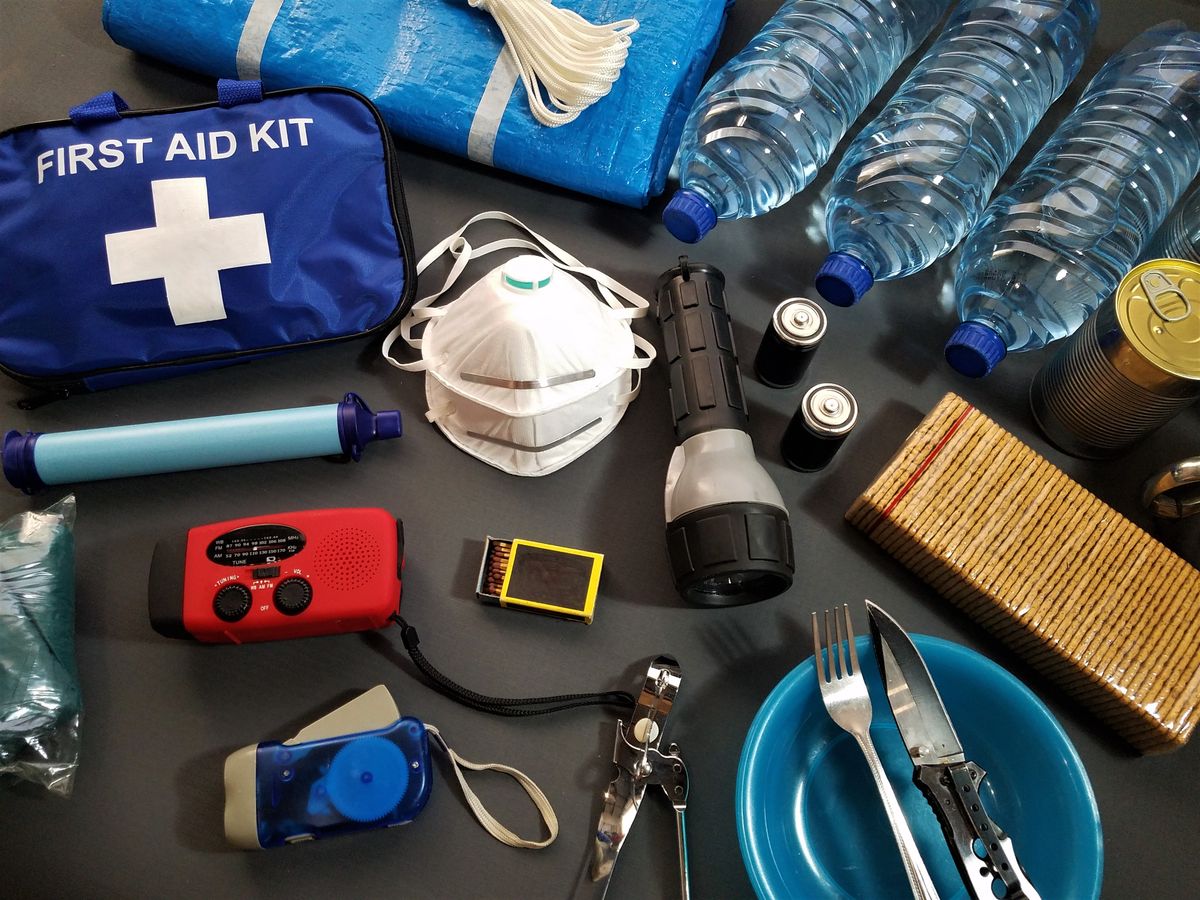
In California, federal OSHA is the floor — not the ceiling. Construction first aid in California is governed by Cal/OSHA Title 8 §1512, which requires a suitable number of appropriately trained persons, a weatherproof first aid kit stocked to the section's table or a licensed physician's list, posted emergency numbers and transport arrangements, and a written emergency medical services plan. It sits beside California's mandatory written IIPP (§3203) and Heat Illness Prevention Standard (§3395). The penalties are higher than federal too: a serious violation runs up to $25,000 and a willful/repeat up to $162,851, and a willful violation causing death can trigger criminal charges under Labor Code §6425.
Why California Is Different
If you manage construction safety in California, you operate under Cal/OSHA — the Division of Occupational Safety and Health (DOSH). California runs one of the 22 State Plans that cover both private-sector and public-sector workers (29 CFR 1952.7), a program federal rules require to be at least as effective as federal OSHA in its standards and its enforcement (29 CFR 1902.3(c)(1) and (d)(1)). On first aid, California goes further:
- A higher serious-penalty cap: $25,000 under Title 8 §336(c), against $16,550 federal (29 CFR 1903.15(d)(3)). The willful and repeat cap, $162,851, is slightly below the federal $165,514.
- Criminal prosecution: Labor Code §6425 creates jail and prison exposure for willful violations that cause death or permanent or prolonged impairment.
- Written plans: every California employer must have a written IIPP (Title 8 §3203(a)), and §1512(i) separately requires a written emergency medical services plan.
- Heat Illness Prevention: §3395 is a final outdoor heat standard, which federal OSHA does not have, and it adds emergency response procedures (§3395(f)).
If you just took over as safety coordinator anywhere in California: assume everything you learned about federal OSHA is the starting line, then add the California layers below.
California stacks layers on the federal floor
Federal OSHA is the starting line in California, not the finish.
Cal/OSHA First Aid Requirements: Title 8 §1512
§1512 ("Emergency Medical Services") is the construction first aid rule. Its language is performance-based ("suitable number," "appropriately trained"), not a list of fixed ratios.
| Subsection | What §1512 requires |
|---|---|
| §1512(a) | Each employer ensures emergency medical services for its employees; employers on one project may set up a single program for the combined work force. |
| §1512(b) | A suitable number of appropriately trained persons to render first aid. Employers on one project may pool them if the pool serves the combined work forces. §1504 defines the trained person (licensed physician or registered nurse, or a current Red Cross or equivalent certificate). |
| §1512(c)(1) | At least one first aid kit in a weatherproof container; contents inspected regularly and expended items promptly replaced; minimum supplies set by an employer-authorized licensed physician or by the section's table, by number of employees. |
| §1512(c)(3) | No drugs, antiseptics, eye irrigation solutions, inhalants, medicines or proprietary preparations in the kit unless approved in writing by an employer-authorized, licensed physician. |
| §1512(d) | Every employee informed of the procedure to follow in case of injury or illness. |
| §1512(e) | Prompt transportation, or an effective communication system to reach emergency care, and posted phone numbers for a physician, hospitals, ambulance and fire services. |
| §1512(f) | Where the eyes or body may be exposed to injurious or corrosive materials, facilities for drenching the body or flushing the eyes, conspicuous and readily accessible. |
| §1512(g)–(h) | For buildings or structures five or more floors or 48 feet above or below ground: a two-way voice emergency communication system and a basket litter. |
| §1512(i) | A written plan to provide emergency medical services. |
Common myth, corrected: §1512 does not say "one certified person per shift." It says "a suitable number of appropriately trained persons." Document why your number is suitable.
How California Exceeds Federal Requirements
| Topic | Federal OSHA (29 CFR 1926.50) | Cal/OSHA (Title 8) |
|---|---|---|
| Written program | Emergency action plan when a standard requires one (29 CFR 1926.35(a)) | Written IIPP (§3203) and a written emergency medical services plan (§1512(i)) |
| Kit contents | Easily accessible; weatherproof container; checked before each job and weekly (29 CFR 1926.50(d)) | §1512(c): weatherproof; minimum supplies from the section's table or a licensed physician; medicines need written physician approval |
| Trained persons | A person with a valid first-aid certificate when no medical facility is reasonably accessible (29 CFR 1926.50(c)) | §1512(b): a suitable number of appropriately trained persons |
| Heat illness | General Duty Clause, 29 U.S.C. 654(a)(1) (no final federal heat rule as of October 2026) | §3395: water, shade above 80°F, high-heat procedures at 95°F |
| Eyewash | 29 CFR 1926.50(g), for injurious corrosive materials | §1512(f), for injurious or corrosive materials |
| Serious penalty max | $16,550 | $25,000 |
| Willful/repeat max | $165,514 | $162,851 |
| Criminal liability | OSH Act §17(e), 29 U.S.C. 666(e) (willful violation causing death) | Labor Code §6425: also reaches permanent or prolonged impairment, and managers personally |
California's IIPP Requirement and First Aid
Every California employer must maintain a written Injury and Illness Prevention Program under Title 8 §3203(a): who is responsible, how compliance is ensured, how hazards are communicated, inspected, investigated and corrected, and how workers are trained. §3203 does not name first aid; §1512(i) requires the written emergency medical services plan, and many employers keep it with the IIPP. Either way, it should cover:
- Designated first aid responders — names, certifications, and assigned areas.
- First aid procedures — step-by-step for the injury types your trades actually face.
- First aid kit locations — mapped, weatherproof, and accessible.
- Emergency contact and transport plan — 911, nearest ER, and how an injured worker is moved (§1512(e)).
- Training schedule — initial and refresher dates, with a tracking system.
- Incident reporting and review — how first aid is logged and root-caused.
If the emergency medical services plan isn't in writing, §1512(i) is not met, however well stocked the kit is.
Heat Illness Prevention: California's Unique First Aid Layer
California's Heat Illness Prevention Standard, Title 8 §3395, adds emergency-response duties that have no federal counterpart: there is no final federal heat standard as of October 2026, only a proposed rule (89 FR 70698) that would add 29 CFR 1910.148 and, for construction, 29 CFR 1926.67. §3395 applies to all outdoor places of employment, with heightened "high-heat" duties for construction starting at 95°F.
When It Applies
§3395's core duties (water, shade, training, written plan) apply to outdoor work; shade must be provided when the temperature exceeds 80°F, and the high-heat procedures kick in at 95°F (§3395(e)).
| Requirement | §3395 detail |
|---|---|
| Drinking water | At least one quart per employee per hour (≈2 gallons per 8-hour shift), fresh, pure, and free. |
| Shade | Present and open when temp exceeds 80°F; access on request below that; enough for those on rest. |
| Cool-down rest | A preventative recovery period of at least 5 minutes in the shade whenever an employee needs it. |
| Emergency response | Procedures to monitor for heat illness, summon EMS, and ensure clear directions to the site. |
| High-heat procedures (≥95°F) | Effective communication, observation/buddy system, pre-shift meetings, and reminders to drink water. |
| Written plan + training | Site-specific written plan; supervisor and employee training on signs, prevention, and response. |
First Aid Kit Additions for Heat Illness
In addition to standard §1512 contents, stock for heat emergencies:
- Instant cold packs (multiple per kit) and, during high heat, ice on site.
- Cooling towels for active cooling of an overheated worker.
- Electrolyte replacement drinks or powders.
- A thermometer to help assess a worker showing symptoms.
- An emergency blanket that can double as improvised shade.
For a full plan, see our companion guides on the heat illness prevention plan, the 7–14 day acclimatization protocol, and whether there's an OSHA heat standard in 2026.
Worked Example: A 40-Worker Sacramento Concrete Pour in August
A general contractor runs a 40-worker cast-in-place concrete job in Sacramento. Forecast high: 101°F. Here is the California-specific first aid stack:
- §1512(b) responders: with 40 workers across a large pour, the GC designates 2 trained responders per shift and writes down why that number is suitable in the §1512(i) plan.
- §1512(c) kit: one weatherproof kit per active work zone; no aspirin or burn ointment unless an employer-authorized licensed physician approves them in writing (§1512(c)(3)).
- §1512(f) eyewash: wet concrete is caustic, so quick-drench/eyewash is staged at the pour for corrosive (alkaline burn) exposure.
- §1512(e) transport — Posted ER number, the closest ER's address/route, and a designated vehicle + driver identified for prompt transport.
- §3395 heat — At 101°F the site is in high-heat (≥95°F) mode: ≥1 qt water/worker/hour, shade structures, mandatory pre-shift heat meeting, buddy-system observation, and cool-down rest available on demand.
- §1512(i) and §3203: all of the above is in the written emergency medical services plan, kept with the IIPP, with the responder list, training dates, and the day's heat plan attached.
Skip the heat plan and a §3395 citation, which can be classified serious (up to $25,000 under §336(c)), can sit on top of a §1512 first aid citation. If a worker dies after a willful violation, Labor Code §6425 criminal exposure is on the table.
What to Have Ready for a Cal/OSHA Inspection
Have these ready.
Phase 1: Document Review
- IIPP (§3203) and the §1512(i) emergency medical services plan, written and current.
- First aid / CPR certifications — current cards for every designated responder.
- Heat Illness Prevention Plan (§3395) — written, site-specific.
- Emergency / transport plan — posted numbers and the §1512(e) transport arrangement.
- Kit inspection logs — regular checks and prompt restocking.
- Training records — first aid, CPR, heat illness, and bloodborne pathogens.
Phase 2: Physical Inspection
- First aid kits — weatherproof, located, accessible, stocked, in date.
- Eyewash — present where corrosives (incl. wet concrete) are used (§1512(f); federal 29 CFR 1926.50(g)).
- Posting — emergency numbers and ER route per §1512(e); the federal rule, 29 CFR 1926.50(f), also asks for the site's location where 911 does not receive it.
- Water and shade — §3395 quantities and shade availability.
- AED — if present, maintained and workers trained.
Phase 3: Worker Interviews
Expect questions to workers such as:
- "Who is the first aid person on this site?"
- "Where is the nearest first aid kit?"
- "What would you do if a coworker collapsed?"
- "Where is the nearest hospital, and how would we get someone there?"
- "Have you been trained on heat illness — and where's the water?"
Train the people, not just the binder: §1512(d) requires every employee to be told the procedure to follow in case of injury or illness.
Reporting a Serious Injury Is Faster in California
Title 8 §342(a) requires an employer to report a serious injury or illness, or a death, to Cal/OSHA immediately, meaning as soon as practically possible and no later than 8 hours after the employer knows or with diligent inquiry would have known of it. Federal OSHA's clock is 8 hours for a fatality but 24 hours for an in-patient hospitalization, amputation or loss of an eye (29 CFR 1904.39(a)(1) and (a)(2)).
California Regional Considerations
Site risk varies a lot across the state — plan first aid capability around your EMS response time, not just headcount.
Hazards That Shape First Aid Planning
- Wildfire smoke: Cal/OSHA's Wildfire Smoke Standard, §5141.1, applies when the current AQI for PM2.5 is 151 or greater and smoke exposure is reasonably anticipated. From 151 to 500, respirators such as N95s must be provided for voluntary use; above 500, respirator use is required. First aid training should cover respiratory distress.
- Inland heat: on days at or above 95°F, the §3395(e) high-heat procedures apply.
- Remote sites: the farther the site from emergency care, the more §1512(b)'s "suitable number" and §1512(e)'s transport arrangements have to carry. Measure the drive to the nearest emergency room for each site and write it into the plan.
The Real 2026 Cal/OSHA Penalty Numbers
Cal/OSHA civil penalty maximums are set by Title 8 §336. The amounts below became operative January 1, 2025, the latest amendment in the section's history as of October 5, 2026.
| Classification | Cal/OSHA (Title 8 §336) | Federal OSHA (29 CFR 1903.15) |
|---|---|---|
| Regulatory | up to $16,285 | up to $16,550 |
| General / other-than-serious | up to $16,285 | up to $16,550 |
| Serious | up to $25,000 | up to $16,550 (FOM floor $1,085) |
| Willful | $11,632 – $162,851 | $11,823 – $165,514 |
| Repeat | up to $162,851 (repeat multipliers apply) | up to $165,514 (FOM floor $4,256) |
Federal maximums are the amounts in 29 CFR 1903.15(d) as of September 25, 2026, which still apply to penalties proposed after January 15, 2025. Cal/OSHA serious violations are the headline difference: $25,000 vs. $16,550 federal.
Run your own numbers with the OSHA Fine Calculator. It models the federal gravity-based method; Cal/OSHA computes penalties under §335 and §336, so treat the calculator's output as federal only.
Criminal Penalties in California (Labor Code §6425)
California's criminal provision reaches further than the federal one, OSH Act §17(e). Under Labor Code §6425(a), a willful violation of a safety standard that causes death or permanent or prolonged impairment can bring:
- Individual: up to 1 year in county jail and a $100,000 fine, or 16 months, two or three years in state prison and a $250,000 fine.
- Corporation / LLC: a fine of up to $1,500,000; §6425(b) raises it for a conviction within seven years of certain earlier ones.
- Personal exposure: any employee having "direction, management, control, or custody" of the employment or of other employees can be charged individually.
Building Your California-Compliant First Aid Program
Step 1 — Assess your risk profile
Map every jobsite, measure EMS response times, and identify hazards (heights, corrosives/wet concrete, confined spaces, heat). Count workforce per site, per shift.
Step 2 — Determine staffing
§1512(b) sets no ratio: it requires a suitable number of appropriately trained persons and lets employers on one project pool them. Set your number from crew size per shift, the hazards of the work, and the time to emergency care, and write the reasoning into the §1512(i) plan.
Step 3 — Select a training provider that offers
- Hands-on skills practice, from the Red Cross or an equivalent provider (§1504).
- Construction-specific scenarios and CPR/AED.
- Heat illness response (the training §3395(h) requires).
- Stop the Bleed / hemorrhage control.
- Bloodborne Pathogens training (Title 8 §5193; the federal counterpart is 29 CFR 1910.1030).
- Spanish-language options for the California workforce.
Step 4 — Equip your sites
Weatherproof kits stocked to §1512(c)'s table or a licensed physician's list, eyewash where corrosives are present, heat-illness supplies, and an AED where EMS response is slow.
Step 5 — Document everything
Written IIPP and §1512(i) emergency medical services plan, Heat Illness Prevention Plan, designated-responder list, certification tracker, kit-inspection logs, training sign-ins, and first aid/incident logs. Build your plan fast with the Emergency Action Plan Builder and the Heat Illness Prevention Builder.
Cal/OSHA vs. Federal OSHA at a Glance
| Factor | Federal OSHA | Cal/OSHA |
|---|---|---|
| Serious penalty cap | $16,550 (29 CFR 1903.15(d)(3)) | $25,000 (§336(c)) |
| Criminal route | OSH Act §17(e) | Labor Code §6425 (state DA) |
| Appeals | OSHRC | Cal/OSHA Appeals Board |
Key Takeaways
- California requirements are stricter than federal — treat 29 CFR as the floor.
- §1512 is performance-based ("suitable number," weatherproof kit, physician approval for medicines, posted numbers, a written plan); document why your program is suitable.
- Two written documents: the IIPP (§3203) and the emergency medical services plan (§1512(i)).
- §3395 heat adds an emergency-response layer with an 80°F shade trigger and 95°F high-heat duties.
- The real 2026 caps: serious $25,000, willful/repeat $162,851 (willful min $11,632).
- Criminal exposure: Labor Code §6425 reaches state prison and up to $250,000 for individuals, and $1.5M for corporations.
- §1512(d): every worker must know the procedure to follow in case of injury or illness.
- Add Bloodborne Pathogens (§5193) compliance to your first aid program.
Related reading: Federal OSHA First Aid & CPR Requirements · Emergency Action Plans for Construction · How to Prepare for an OSHA Inspection
Sources & verification: Cal/OSHA Title 8 §1512, §336, §3395, §3203 and §5141.1 (dir.ca.gov); Title 8 §§342 and 1504; California Labor Code §6425 and Health and Safety Code §1797.196 (leginfo.legislature.ca.gov); federal 29 CFR 1926.50, 1903.15, 1904.39, 1902.3 and 1952.7 (eCFR, current as of September 25, 2026). Verified October 5, 2026. This guide is general compliance information, not legal advice — California is a State-Plan state, so verify current Title 8 text and consult a qualified professional for your site.
Frequently Asked Questions
Does California require more than federal OSHA for first aid on construction sites?
Yes. Title 8 §1512 is longer than the federal rule (29 CFR 1926.50) and requires a written emergency medical services plan (§1512(i)). It sits beside two California rules with no final federal counterpart: the written Injury and Illness Prevention Program (§3203) and the outdoor heat standard (§3395). Kit contents follow §1512(c)'s table or an employer-authorized licensed physician, and §3395 adds water, shade above 80°F and heat emergency procedures for outdoor work.
How many first aid trained workers does Cal/OSHA require on a construction site?
Title 8 §1512(b) requires each employer to ensure 'a suitable number of appropriately trained persons to render first aid'; it sets no fixed ratio. Employers on one project may pool trained persons if the pool covers the combined work force. The federal rule works differently: 29 CFR 1926.50(c) requires a person with a valid first-aid certificate at the worksite when no infirmary, clinic, hospital or physician is reasonably accessible. Document why your number is suitable for crew size, hazards and distance to care.
What certifications does Cal/OSHA accept for first aid and CPR?
Title 8 §1504 defines an 'appropriately trained person' as a physician or registered nurse licensed in California, or a person with a current certificate (training within the past three years, or as stated on the certificate) from the American National Red Cross or equivalent training that can be verified. The federal rule is close: a valid certificate from the American Red Cross or equivalent training verifiable by documentary evidence (29 CFR 1926.50(c)). Pick a course with hands-on skills practice so the responder can actually render first aid.
Does California require AEDs on construction sites?
Neither Title 8 §1512 nor the federal rule, 29 CFR 1926.50, requires an AED on a construction site. If you acquire one, California Health and Safety Code section 1797.196 sets duties for its owner, including notifying the local EMS agency and keeping the AED maintained and tested. Some local ordinances require AEDs in certain buildings, so check local rules.
What are the real 2026 penalties for Cal/OSHA first aid violations?
Under Title 8 §336 (amounts operative January 1, 2025, the latest amendment as of October 2026): a serious violation runs up to $25,000, and a willful or repeat violation up to $162,851 (willful minimum $11,632). Federal OSHA caps serious at $16,550 and willful or repeat at $165,514 (29 CFR 1903.15(d)). California also adds criminal exposure under Labor Code §6425: a willful violation that causes death or permanent or prolonged impairment can bring an individual up to one year in county jail and a $100,000 fine, or 16 months, two or three years in state prison and a $250,000 fine, and a corporation or LLC a fine of up to $1,500,000.
Is Cal/OSHA guidance the same as legal advice?
No. This article is general compliance information, not legal advice. California is a State-Plan state, so Title 8 — not federal 29 CFR — is the operative rulebook for private construction. Always verify the current text at dir.ca.gov and consult a qualified safety professional or attorney for your specific site.
OSHA figures and citations here come from our regulatory source-of-truth modules, last checked against the eCFR, OSHA.gov, and the Federal Register on October 5, 2026. Last reviewed October 5, 2026.
About This Article
Published by: HazComFast
Published: March 29, 2026
Last Updated: October 5, 2026
- https://www.dir.ca.gov/title8/1512.html
- https://www.dir.ca.gov/title8/336.html
- https://www.dir.ca.gov/title8/3395.html
- https://www.dir.ca.gov/title8/3203.html
- https://www.osha.gov/laws-regs/regulations/standardnumber/1926/1926.50
- https://leginfo.legislature.ca.gov/faces/codes_displaySection.xhtml?lawCode=LAB§ionNum=6425.
This content is for informational purposes only and does not constitute legal advice.